Tel Aviv-Jaffa: 6 new pinui-binui zones declared, 1,459 net additional homes
Signed on October 29, 2026 and detailed on November 1, six new pinui-binui zones in Tel Aviv-Jaffa represent a net gain of 1,459 homes; the Rubinstein-Heller compound will grow from 334 to 706 homes. A real step — but only the first on a long path.
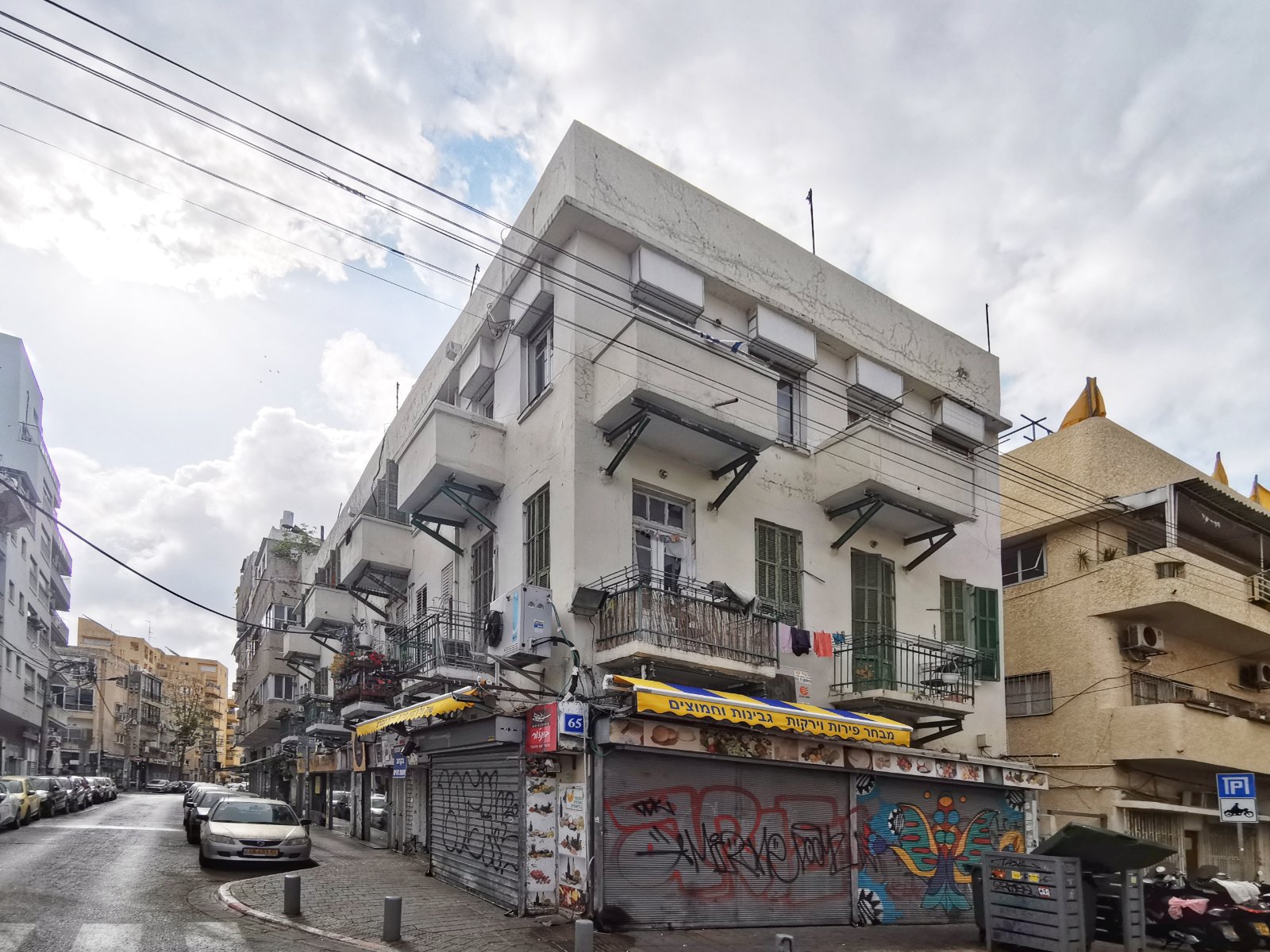
While plans for whole neighborhoods make headlines, Tel Aviv also continues to rebuild itself building by building. Six new pinui-binui zones — demolition-reconstruction — have been declared in Tel Aviv-Jaffa, in decisions signed on October 29, 2026 and detailed on November 1: at stake, a net gain of 1,459 homes. The Rubinstein-Heller sector gives the concrete measure: 334 existing homes there will make way for 706 new homes, more than double. Here is what a “zone declaration” really commits, and what it does not promise.
What a declared zone means
| Stage | What it is |
|---|---|
| Zone declaration | The perimeter is recognized as a pinui-binui sector |
| Co-owners' agreement | Owners sign with a developer |
| Plan and permit | The project is filed, reviewed, then authorized |
| Demolition-reconstruction | Relocations, construction, delivery of new homes |
The declaration is only the first step: it unlocks the fiscal and administrative framework of pinui-binui and makes the sector attractive to developers. It also changes the local balance of power: in a declared zone, developers come to canvass co-owners, building representatives organize, and the speculative value of old apartments changes — an apartment “with pinui-binui potential” is no longer negotiated quite like an ordinary apartment. That is one more reason, for a seller as for a buyer of resale in these zones, to have this potential explicitly priced into the valuation, rather than leaving it as an implicit premium.
But between declaration and delivery, each building must still gather co-owners' signatures, pass the plan and permit, then construction. In Tel Aviv, where land is the most expensive in the country, these operations take years — and some never succeed, as the viability crisis hitting urban renewal across the country reminds us, which we analyze in our article on the Eilat congress.
Rubinstein-Heller: from 334 to 706 homes
The quantified example of the Rubinstein-Heller compound illustrates the mechanism: 334 old homes demolished, 706 new homes built, a net gain of 372 homes on this compound alone and a multiplier coefficient of about 2.1. It is this coefficient that makes the operation financeable: the developer sells the additional homes and, with this revenue, rebuilds free of charge those of the co-owners — who receive a new, larger apartment, with parking and shelter, without paying the cost of the works.
Across the six zones together, the announced net gain is 1,459 homes. In a city where every thousand homes counts against the center's shortage, this is no small matter — provided the horizon is kept in mind: these homes will arrive in waves, over years, and not in the coming months.
For owners: a promise to read line by line
If you own an apartment in one of these zones, the zone declaration strengthens your negotiating position — but it fixes neither the calendar nor the conditions. The points that will decide the real value of the operation are elsewhere: the size of the replacement apartment and its accompanying spaces, the level of bank guarantees, coverage of rents during relocation, and what happens if the project fails along the way. The national context should make us cautious: what developers offer owners in return has shrunk in recent months, and old agreements are sometimes renegotiated downwards, as in Ra'anana where owners asked for cancellation of their agreements — we return to this in our article on Ra'anana.
A simple reflex: sign nothing and give up nothing on the sole basis of the zone declaration. Have the agreement reread by a lawyer independent of the developer, and check the financial soundness of the developer and its financing bank.
For buyers: off-plan sales to handle methodically
The additional homes built in these zones will be marketed off-plan. Buying in a Tel Aviv pinui-binui can give access to areas of Jaffa and southern Tel Aviv impossible to find in classic new builds — see the programs tracked on the Tel Aviv page and in the catalogue. But the specific risk is real: your delivery depends on the effective departure of former occupants and on a demolition-reconstruction site, less predictable than building on virgin land.
Assess the deal like any off-plan purchase: payment schedule with the payment schedule simulator, full cost with the taxes and fees simulator, and verification of the registration of rights at the Tabo. And keep one question in mind throughout the negotiation: what happens, for you, if the timetable slips by two years?
What happens next
A declared zone has to be tracked like a long-term project, not an announcement. We will track progress in these six zones — agreements signed, plans filed, permits issued, first construction sites — in our ongoing coverage, with the coefficients and conditions announced as they come. If you are an owner in one of them or a buyer looking in central Tel Aviv, write to us: a first exchange often avoids the most costly mistake in these operations, which is deciding too early, on a promise, or too late, when conditions have already hardened.
Sources
- Detail of November 1, 2026 — Tel Aviv-Jaffa: 6 new pinui-binui zones declared (signed October 29, 2026), net gain of 1,459 homes, Rubinstein-Heller sector from 334 to 706 homes (Nadlan Center, media homepage, exact article URL not available)
Sources
- Source 1