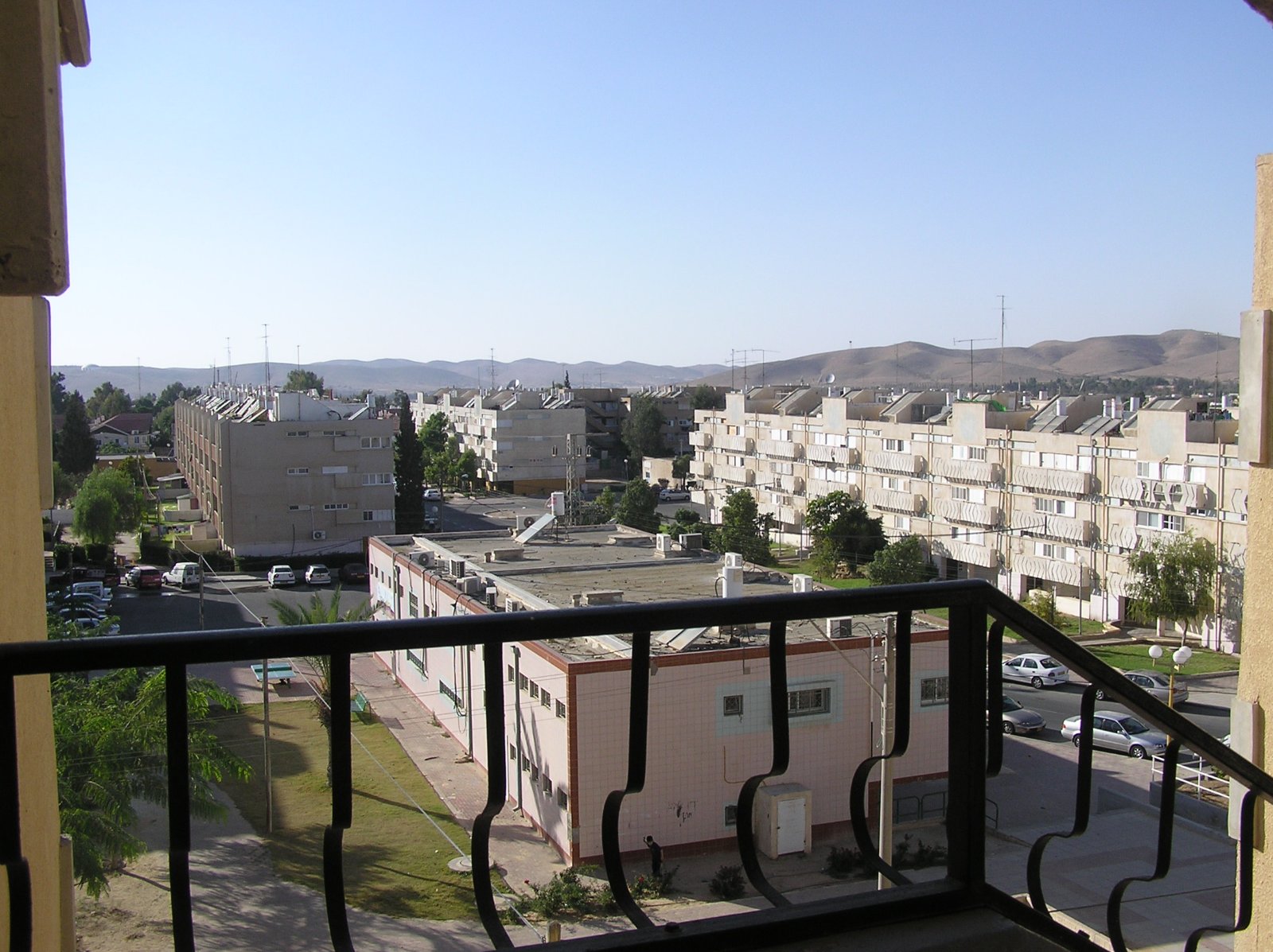
Dimona: Narkisim neighborhood approved, 1,060 homes and a 250-room hotel
Approved on November 5, 2026, the Narkisim neighborhood plans 1,060 homes and a 250-room hotel on about 650 dunams (1 dunam ≈ 1,000 sqm) in Dimona, one of the cheapest cities in the country: what this project changes, and what to check before looking seriously at it.
Dimona is not the city that makes headlines in Israeli real estate, and that is precisely why the November 5, 2026 announcement deserves attention: the “Narkisim” neighborhood has been approved there, with 1,060 homes and a 250-room hotel, on about 650 dunams. For a Negev city where prices remain among the lowest in the country, a program of this size is not just another plan: it can reshape local supply for several years, and it poses a simple question to buyers — should we look at peripheral cities while the center of the country stalls? Here is what we know, what approval means in practice, and what it does not yet guarantee.
The project in figures
| Item | Value |
|---|---|
| Approved homes | 1,060 |
| Hotel | 250 rooms |
| Land area | about 650 dunams |
| City | Dimona (Negev) |
| Announcement | November 5, 2026 |
A benchmark to measure the local scale: according to Globes, a 3-room apartment sold in Dimona for NIS 650,000 in October 2026. By way of internal comparison within the Israeli market, that is the price of a small studio — or even a fraction of an apartment — in the most expensive cities of the center. The gap between the incoming new builds and resale trading at these levels will be one of the keys to the file for buyers.
Dimona, a low-price Negev city
Dimona is one of those Negev development towns where land remains accessible and where new projects can be built at budgets unrelated to those of Gush Dan. It is also a city where demand depends heavily on local factors: employment, services, transport and the municipality's ability to support growth. A neighborhood of 1,060 homes is not just apartments: it is additional population that requires schools, shops and access roads to match.
The presence of a 250-room hotel in the same perimeter is a signal worth noting. It suggests an ambition that goes beyond housing alone: capturing tourist or business activity and bringing life to the area beyond its residents. For a buyer, a mixed neighborhood — housing, hotel, services — generally resells and rents under better conditions than an isolated purely residential block.
What approval changes — and what it does not change
Plan approval is neither a building permit nor a delivery date. Between the approved plan and the first residents, there remain the stages of marketing, financing, permits and construction. Recent Israeli market history is a reminder: construction starts are slowing, construction times are lengthening, and not all approved projects are built at the announced pace. The week's review, which we detail in the market review of the week of November 1, shows a stock of unsold homes at its highest while plans continue to pile up.
What approval does change: it freezes building rights on the sector, it makes the land's potential clear to developers and banks, and it allows the first projects to be structured. For a buyer following Dimona, the right reflex is not to rush, but to keep a close eye on the area: which developers are positioning themselves there, at what launch prices, with what guarantees and what contractual deadlines.
Who this area may suit
Three profiles can look closely at Narkisim. Israeli first-time buyers whose budget no longer allows the center: in Dimona, a resale 3-room budget of around NIS 650,000 (Globes benchmark from October) leaves room to aim for new-build when projects launch. Investors who accept a low entry price in exchange for slower liquidity: in these cities, resale takes longer and yield depends entirely on the rent actually charged locally. And buyers looking for a quieter place to live, far from center prices, provided they validate employment and daily commutes.
Conversely, this sector does not suit those looking for a quick resale or a liquid safe-haven value: the Negev periphery trades over long timescales, and the gap between new and resale prices can be unfavorable there in the first years.
Checks before committing
Before any commitment on a program of this type, a few checks are essential, here as everywhere in Israel. First the land: its registration status, which our Tabo guide explains in detail. Then the full cost of the operation: simulate your borrowing capacity with the financing simulator and all fees with the taxes and fees simulator, including purchase tax according to your profile — how it works is detailed in our Mas Rechisha guide. Finally, the timetable: insist on contractual dates, late penalties and bank guarantees attached to payments.
To place Dimona in your search, compare with the other developing sectors covered this week, from Safed to Hod Hasharon, and browse the catalogue of projects tracked by IsraelStart.
Sources
- Globes — benchmark transaction in Dimona: a 3-room apartment sold for NIS 650,000 in October 2026 (media homepage, exact article URL not available)
- Nadlan Center — approval of the Narkisim neighborhood in Dimona, 1,060 homes and a 250-room hotel, announcement of November 5, 2026 (media homepage, exact article URL not available)
Sources
- Source 1
- Source 2