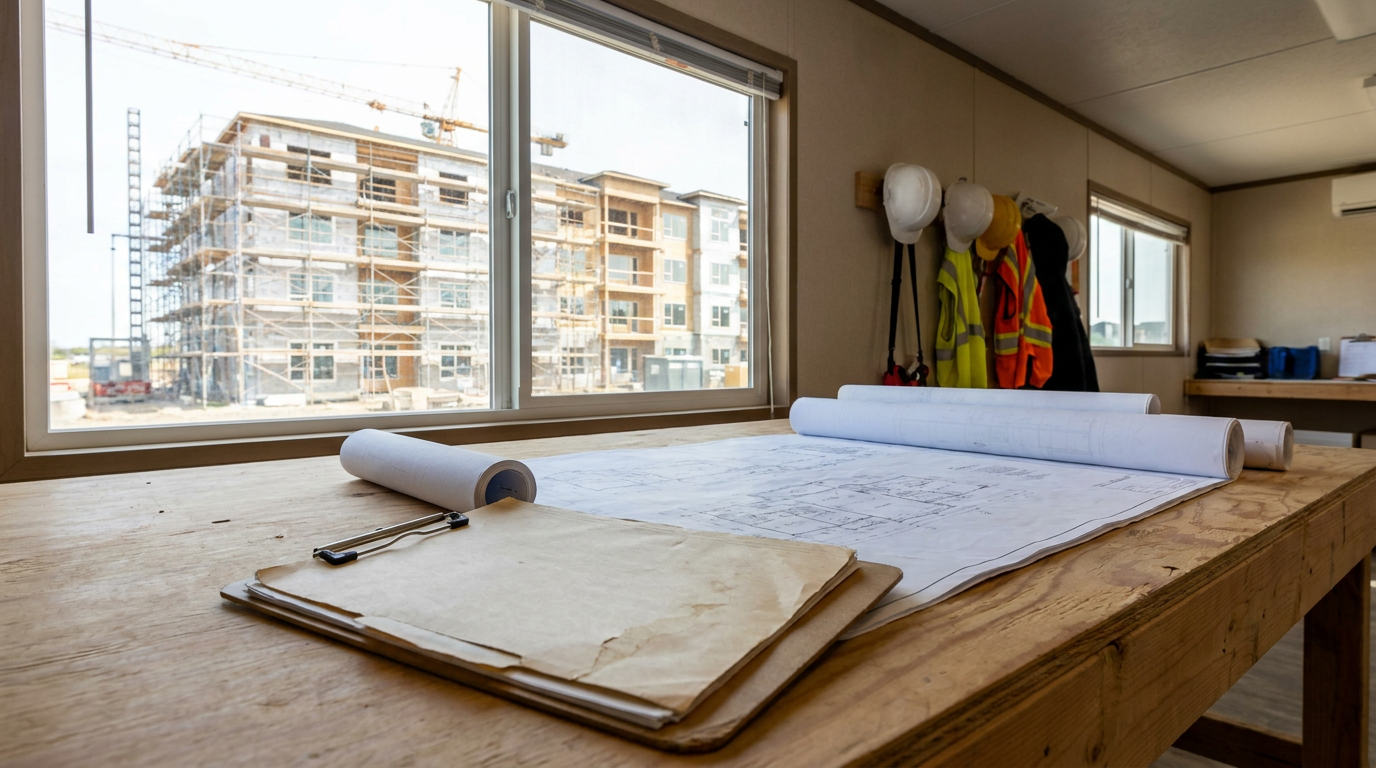
Construction Reliefs: Tel Aviv, Ramat Gan and Yavne Reopen the Door
For decades, Israeli real estate projects were able to obtain small exceptions to the urban planning regulations at the time of the building permit: a few extra percent of floor space, sometimes an additional floor. This system of "relief" (hakalot) has been abolished. However, cities are bringing it back in another form. For buyers from abroad as well as Israelis already living in Israel, the issue is less technical than it seems: it affects what can actually be built, and therefore what you are buying.
What the exemptions were, and why they disappeared
According to Globes, on October 6, 2026, the Planning and Building Law allowed for occasional deviations from an approved plan on a case-by-case basis. Over time, this tool became a bottleneck: each request required an additional debate at the permit stage, which extended the timelines.
The Planning Administration therefore decided to eliminate the mechanism. After several years of preparation, the reform began in 2023 and was completed in early 2025. Since then, it is no longer possible to request an exemption as part of a permit, except for minor adjustments listed by law.
The Return via Municipal Planning
Municipalities are responding by adopting written, pre-approved plans that set out possible additional rights. Globes, which first reported on Tel Aviv's approach to residential housing, lists several cities following the same path.
| City | Stage | Announced Content |
|---|---|---|
| Tel Aviv-Jaffa | plan in preparation | restoring reliefs for residential; details not specified |
| Ramat Gan | master plan approved in January 2026 | addition of floors; in some plans, +6% area and +2.5% per extra floor |
| Yavne | thematic plan adopted by committee in April 2026 | addition of floors; up to 6% of plot area in some plans |
| Nes Ziona | plan submitted in April 2026 | detached and semi-detached houses: up to +20% or +50% authorized area depending on the plan |
| Arad | plan approved end of 2025 | neighborhoods of detached houses |
| Ramat HaSharon, Kiryat Ono, Savyon | plans in progress | not specified |
Source: Globes.
Notable point: in Ramat Gan and Yavne, the plans allow for adding floors; regarding Ramat Gan, Globes notes that the current legal list does not permit this.
Generally Positive Opinions
An urban renewal sector leader quoted by Globes supports the principle of clear, pre-established rules, but warns: if each case still depends on an individual debate, uncertainty will return. The real criterion, according to him, is the time before construction begins. Specialized lawyers believe the process clarifies legal boundaries and consider court intervention unlikely. The Planning Administration sees these initiatives as generally positive.
Why This Matters for the Buyer
For Off-Plan Purchases
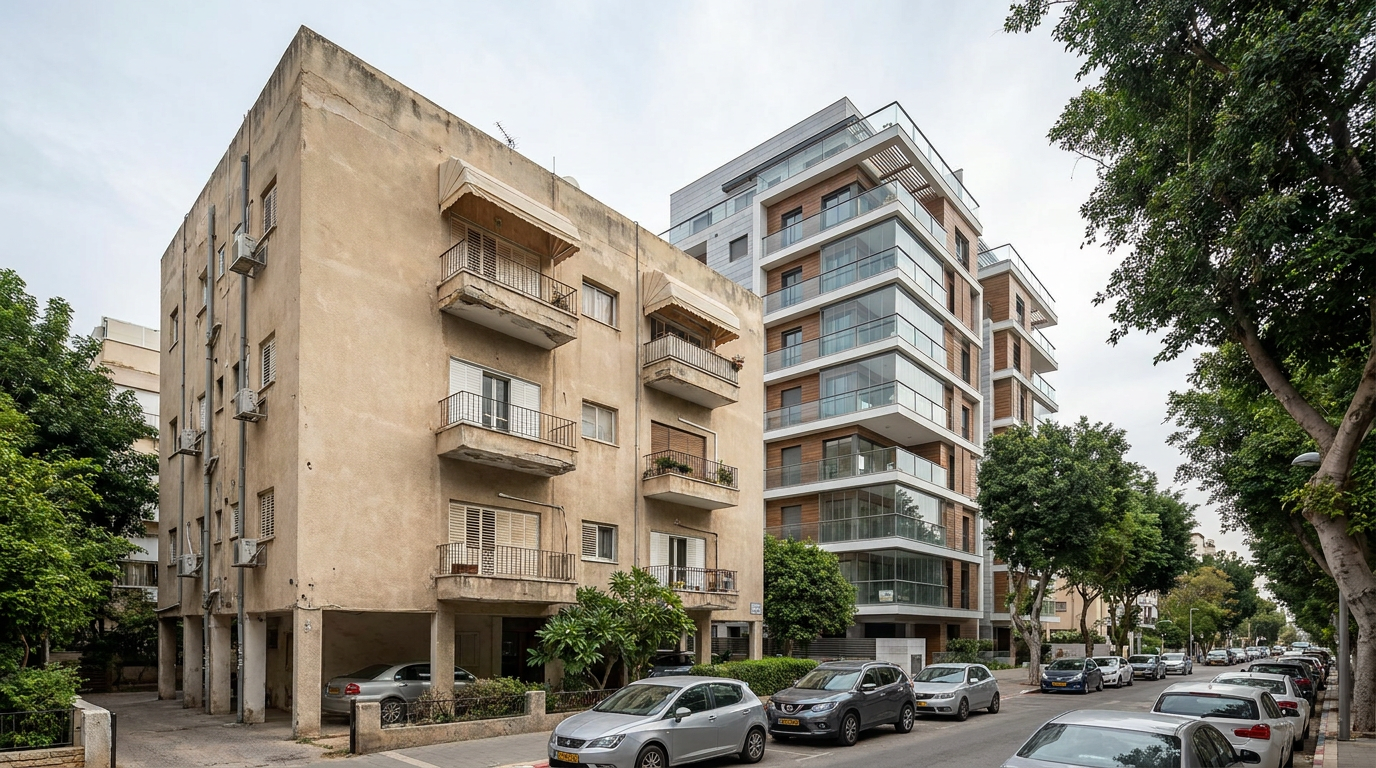
Between marketing and the final permit, a project can evolve. Additional rights may result in an extra floor, more apartments in the building, or changes to common areas. Always ask when the permit was issued and based on which plan. This isn't necessarily negative, but it does affect the building's density and sometimes the view from an apartment.
In Urban Renewal
The financial balance of a project depends on building rights. A few extra percent of floor area can unlock a project or, on the contrary, restart negotiations between the developer and owners. Any announced timeline should be confirmed as long as the permit hasn't been issued.
For a Detached House
In Nes Ziona or Arad, the plans target houses. For an owner, this means potential for expansion; for a buyer, it's a price factor that must be checked in the plan's text, not just the listing. The potential gain is real, but it's often already reflected in the asking price.
A Tax Implication
Additional rights granted by a plan can trigger an improvement tax payable by the owner. We explain this mechanism in our article on the improvement tax.
Checks to Carry Out
1. Request the building permit and compare the number of floors and units with the brochure.
2. Read the modification clause in the contract: to what extent can the developer change the project without your consent?
3. Check the land registry and annotations, using our Tabo guide.
4. Be wary of 'future' rights: a municipal plan in preparation does not constitute an acquired right.
5. Calculate the total cost: 18% VAT included in the price of new properties, closing fees of 10 to 13%, purchase tax (Mas Rechisha) to be confirmed based on your profile.
A buyer from abroad, who does not attend local committee meetings, has every reason to delegate this monitoring. An Israeli already in Israel can consult their municipality's decisions, but reading them remains technical.
Surround Yourself with the Right Experts
This topic highlights the importance of three perspectives: lawyer · broker · architect. The architect reads the plans and assesses the impact of an additional floor or extra space, the lawyer ensures modifications are properly included in the contract, and the broker checks that financing follows a schedule that may change.
IsraelStart lists 300+ new projects across Israel, with their current stage of progress. Browse the catalogue and request a personalized assessment, with no obligation.
Sources
- Globes — After Tel Aviv, other cities reinstate construction reliefs (10/06/2026)
- Globes — Kikar HaMedina: betterment tax confirmed (10/07/2026)
Sources
- Source 1
- Source 2