New Build Property in Azor: Developments & Areas 2026
Azor (אָזוֹר) is a local council in the Tel Aviv District, on the old Jaffa–Jerusalem road, south-east of Tel Aviv. Founded in 1948, it has 13,067 residents according to the Central Bureau of Statistics (CBS, 2024) on 2,415 dunams. Its name, attested as early as 701 BCE, goes back to the biblical city of Azor, whose tel still stands in the northern part of the modern locality. A small residential town in the Gush Dan, Azor offers a calm setting a few kilometres from Tel Aviv, Holon and Bat Yam. This guide brings together everything you need to know before buying in Azor: the neighbourhoods, transport, schools, shops and the buying process, with no invented prices and no promised developments. When a price can be sourced, it is quoted with its source; otherwise, the guide points you to the personalised search and the simulators.
Population: 13,067
Why invest in Azor
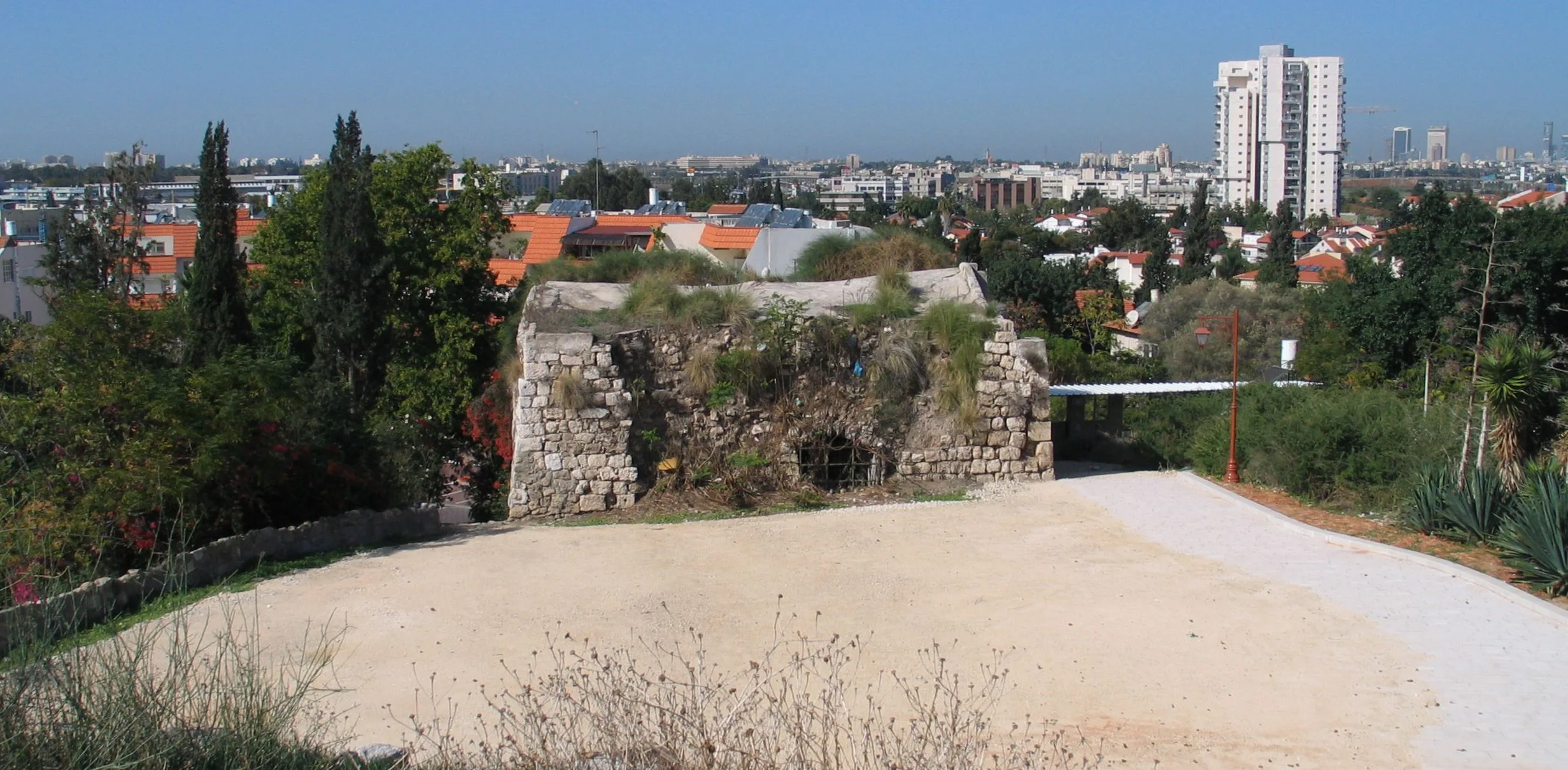
The name of Azor is one of the oldest in the country. It appears as early as 701 BCE in the Babylonian form A-zu-ru, in a Neo-Assyrian text, and matches the form Azor in the Book of Joshua (Joshua 19:45). The council of the new village had first chosen the name Mishmar HaShiv'a, “Guardian of the Seven”, in honour of seven Israeli soldiers killed nearby in 1948, but the government naming committee imposed Azor, judging it more important to preserve biblical names; another nearby village later received the name Mishmar HaShiv'a. Modern Azor was founded in 1948 and gained local council status in 1951. The tel of the ancient city lies in the northern part of the modern locality, and the Azor Museum, an archaeological museum, preserves the remains found on site. It is a history of nearly 2,700 years that begins a few streets from today's houses.
Azor's growth has been steady. The population rose from 4,600 in 1972 to 6,600 in 1983, then 8,600 in 1995, 10,600 in 2008 and 13,067 in 2024, on an area of 2,415 dunams — a density of 5,411 residents per square kilometre. Azor remains a small residential town, with no skyscrapers or large housing estates: quiet streets, low houses and small apartment buildings, on the scale of a locality of thirteen thousand people. Its position is its asset: about five kilometres south-east of Tel Aviv, on the old Jaffa–Jerusalem road, between Holon, Bat Yam and Or Yehuda, with Rishon LeZion a little further south. The Holon–Azor industrial zone, the largest in the Tel Aviv conurbation, directly borders the locality and concentrates jobs a few minutes from home.
On the housing market, Azor is a residential resale market, in detached houses and small apartment buildings. No price per square metre is shown on this page, for lack of a sourced price for the locality at the time of writing: an average price quoted without a source would be misleading for a town where amounts vary widely by neighbourhood, floor, condition and the presence of a garden or balcony. IsraelStart currently lists no new development in Azor, so this page promises none. The right method is to compare real properties: the personalised search lets you set a budget, a property type and a neighbourhood — the town centre, the northern quarter near the tel, the streets around HaMetsuda Garden or the south of the locality — then receive matching properties, resale or new when available. For resale, which dominates the local market, the resale buying guide explains each step, from the agreement to registration at the Tabu. The budget-by-city, tax and financing simulators then let you check that the project works before making an offer.
For transport, Azor is served by the old Jaffa–Jerusalem road, which runs through the locality, and by buses to Tel Aviv, Holon and Bat Yam. Tel Aviv is about five kilometres away, Holon is the immediate neighbour, and both car and bus reach the Gush Dan's employment areas without crossing central Tel Aviv. Buying in Azor from abroad follows the same rules as everywhere in Israel: verifying the title deed at the Tabu, a contract overseen by a lawyer, and paying the purchase tax, mas rechisha, whose amount depends on the price of the property and the status of the buyer. This page deliberately gives no numeric thresholds: the rules change, and the dedicated guide and the tax and fees simulator, kept up to date, give the exact calculation. Financing, the mashkanta, is prepared in advance with the financing simulator. Azor suits buyers who want the Gush Dan without its big cities: a small residential locality, close to jobs and to the beaches of Bat Yam and Tel Aviv, with an ancient history and quiet streets. Before signing, come and see the town, its tel, its museum and its HaMetsuda Garden — that is where the choice of Azor is made.
- Tel Aviv a few kilometres away: About five kilometres separate Azor from Tel Aviv: you work in the metropolis and come home to a quiet small town.
- A calm residential setting: Quiet streets, low houses and small apartment buildings, on the scale of a locality of thirteen thousand people.
- An ancient history: A name attested as early as 701 BCE, an ancient tel and an archaeological museum in the heart of the town.
- Human-scale properties: Detached houses and small apartment buildings, with a garden or balcony, for families who want space without leaving the Gush Dan.
- A town growing gently: From 4,600 to 13,067 residents since 1972: Azor grows without transforming itself, which keeps its residential character stable.
Key advantages
- At the heart of the Gush Dan: About five kilometres south-east of Tel Aviv, between Holon, Bat Yam and Or Yehuda: the jobs, shops and services of the metropolis are a few minutes away, without living in a big city.
- A 2,700-year history: The name of Azor is attested as early as 701 BCE and appears in the Book of Joshua. The tel of the ancient city, in the north of the locality, and the Azor archaeological museum bear witness to it.
- A small residential town: 13,067 residents on 2,415 dunams, quiet streets, low houses and small apartment buildings: a human-scale living environment, far from the towers of central Tel Aviv.
- Steady demographic growth: The population grew from 4,600 in 1972 to 13,067 in 2024, without sudden jumps: a locality that grows gently, without changing its nature.
- A readable market: Here you buy a house or an apartment to live in, and properties are compared on concrete criteria: size, floor, condition, garden and proximity to transport. This guide publishes no unsourced price, which protects buyers from misleading figures.
Infrastructure & Transport
- Old Jaffa–Jerusalem road: The historic road runs through Azor and links it to Tel Aviv to the north-west and Jerusalem to the south-east, with the Gush Dan's main roads nearby.
- Buses to Tel Aviv, Holon and Bat Yam: Bus lines connect Azor to Tel Aviv, Holon and Bat Yam for work, study and shopping, without going through central Tel Aviv.
- Holon–Azor industrial zone: The largest industrial zone in the Tel Aviv conurbation directly borders Azor and concentrates jobs a few minutes from home.
- Azor Museum and ancient tel: The Azor archaeological museum and the tel of the ancient city, in the north of the locality, preserve the remains of nearly 2,700 years of history.
Investment profile
- Gush Dan rental demand: Demand comes from people working in Tel Aviv, Holon and the Holon–Azor industrial zone, looking for a home a few kilometres from their job.
- Typical tenants: Gush Dan workers, young couples and families who want to stay close to Tel Aviv without living there, as well as employees of the neighbouring industrial zone.
- A resale market, not new build: IsraelStart lists no new development in Azor: resale dominates. The resale buying guide and the personalised search are the two ways in for a purchase here.
Neighborhoods of Azor
Town centre
Northern quarter and ancient tel
HaMetsuda Garden
Jaffa–Jerusalem road area
Southern quarter
New build or resale in Azor
In Azor, you can compare the new developments listed in our catalogue or entrust us with the search for an existing property. The choice depends on your timeline, overall budget and target neighbourhood.
For resale, we define a brief with you — neighbourhood, number of rooms, mamad, lift, parking, outdoor space — then consult several sources and present an explained selection, with trade-offs and points to confirm.
Search in Azor Buying resale property: the guideFrequently asked questions about Azor
Is Azor well connected to Tel Aviv?
Yes: Azor lies about five kilometres south-east of Tel Aviv, on the old Jaffa–Jerusalem road, and buses connect the locality to Tel Aviv, Holon and Bat Yam. Holon is the immediate neighbour. Both car and bus reach the Gush Dan's jobs without crossing central Tel Aviv.
What kind of property can you find in Azor?
Detached houses and apartments in small apartment buildings, mostly resale between private individuals. No price per square metre is published on this page, for lack of a sourced price for the locality: properties are compared on size, floor, condition, garden and proximity to transport. The personalised search lets you receive real properties that match your budget.
What is there to see in Azor?
The tel of the ancient city, in the northern part of the locality, the Azor archaeological museum, which preserves the remains found on site, and HaMetsuda Garden, the town's public garden. The very name of Azor, attested as early as 701 BCE, is part of the locality's heritage.
Are there any new developments in Azor?
No: IsraelStart currently lists no new development in Azor, and this page promises none. The local market is a resale market. To buy resale, the resale buying guide explains the steps, and the personalised search supports buyers who cannot visit every property in person.
Similar cities
Discover other nearby cities or in the same price range.