Mehir LaMishtaken 2026: Israeli Government Reduced Price Program
Introduction: Mehir LaMishtaken 2026
This comprehensive guide covers all aspects related to the Mehir LaMishtaken reduced-price program in Israel for buyers and investors from abroad. Understanding these issues is essential to secure your real estate investment in Israel and avoid costly mistakes. The "Mehir LaMishtaken" program (Reduced Price for the Buyer), although initially designed for Israeli residents, has indirect repercussions and interesting points of comparison for international French-speaking buyers. Understanding the dynamics it creates in the general market is crucial for any investor.
The Israeli real estate market has a mature and protective regulatory framework, but its specifics differ significantly from the French system. Each point addressed in this guide has a direct impact on your acquisition, your taxes, or your returns. The support of a professional — real estate lawyer, broker, or manager — is essential to navigate these complexities from abroad.
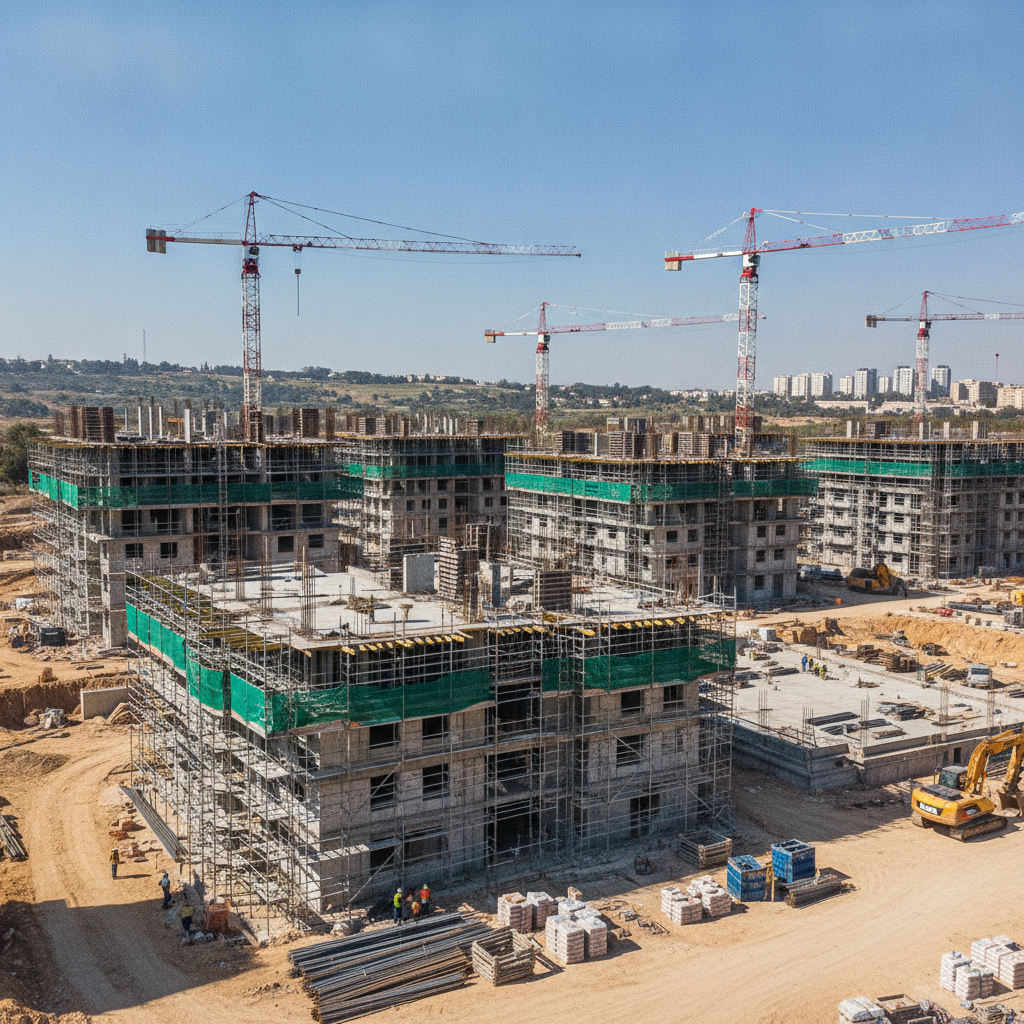
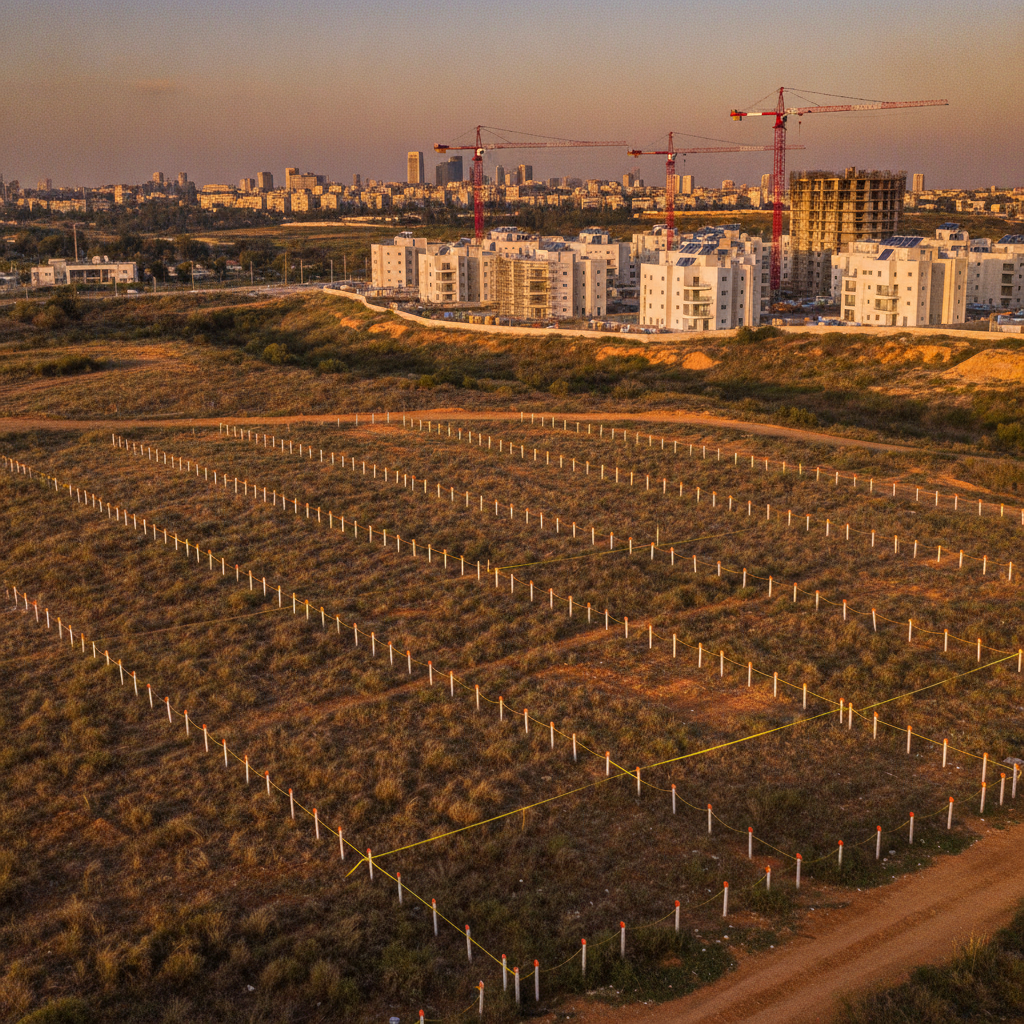
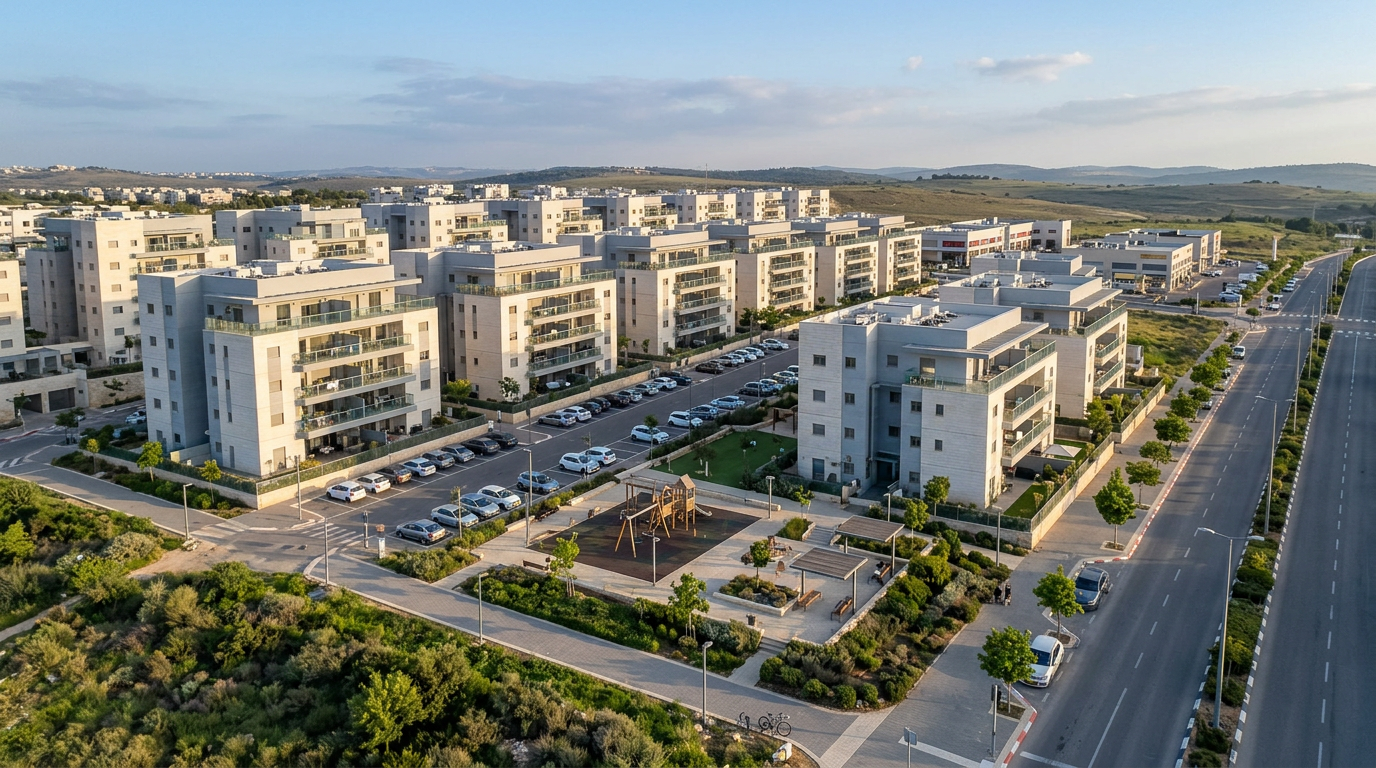
In 2026, with the anticipation of continued population growth and government policies aimed at boosting housing supply, the Mehir LaMishtaken program could still influence prices in certain market segments. Although you, as a non-resident buyer, are not directly eligible for these subsidies, its existence can free up properties in the secondary market or shape developers’ construction strategies.
Legal and Regulatory Framework
The framework applicable to mehir lamishtaken 2026 in Israel is based on several key texts. The Sale of Apartments Law (Hok Mecher Dirot) of 1973, amended in 2005 and 2011, forms the basis of buyer protection. This law, for example, requires developers to provide bank guarantees (Hok Habtahat Makrut) to protect buyers' funds in case of bankruptcy. The Land Registration Law governs property rights and their registration in the Tabo. The Israeli Civil Code (Hok HaHozim) regulates contractual relations between parties.
For non-residents, specific provisions apply: the increased Mas Rechisha scale (8% to 10% depending on the purchase amount), mashkanta conditions (maximum LTV 50%, with a substantial personal contribution generally of 50% of the property price), and reporting obligations to the Israeli tax authorities. These rules are stable and predictable, which secures long-term investment. It is worth noting that the Mas Rechisha rate for non-residents is subject to regular parliamentary discussions, but stability is expected for 2026, maintaining deterrent rates for pure non-resident investment in an attempt to contain rising prices.
Practical Aspects and Implementation
In practice, managing mehir lamishtaken 2026 requires coordination between several professionals. Your lawyer ensures legal compliance and protects your interests. They carry out all necessary checks with the Tabo (Land Registry), municipalities (for building permits and urban planning), and water/electricity companies. Your broker or banker optimizes financial conditions, seeking the best available mortgage (mashkanta) rate for non-residents. In 2026, interest rates are expected to remain around 4-6% for mortgages, depending on the Bank of Israel's monetary policies. Your property manager (if applicable) handles daily operational aspects, from finding tenants to property maintenance.
For a buyer from abroad, this coordination is key to a successful transaction. The advantage of IsraelStart's turnkey support is to centralize this coordination: a single point of contact who manages all professionals on your behalf, in your language, and with a perfect understanding of the Israeli market's specifics. We ensure that every step, from property selection to final signing, is smooth and transparent.
| Aspect | Responsible | Average timeframe (2026 estimate) |
|---|---|---|
| Legal verification (due diligence) | Lawyer | 1-2 weeks |
| Financial setup (mashkanta pre-approval) | Broker/Bank | 3-6 weeks |
| Negotiation and contract signing | Lawyer | 2-4 weeks (after offer acceptance) |
| Administrative coordination (taxes, registration) | IsraelStart/Lawyer | Ongoing, over 3-6 months after signing |
| Post-acquisition follow-up (property management) | Manager | Ongoing |
Key Considerations for Non-Residents
Several important points require special attention for buyers residing in France or elsewhere abroad. A power of attorney is essential for any administrative procedure in Israel—make sure it specifically covers actions related to mehir lamishtaken 2026, and more broadly, the acquisition, ownership, and management of your property. It is often recommended to have a general and banking power of attorney, authenticated by apostille at the Israeli embassy. Administrative processing times may be longer for non-residents due to enhanced compliance checks, particularly regarding anti-money laundering measures. For example, an additional 2 to 4 weeks may be needed to open an Israeli bank account in 2026. Communication with Israeli authorities is conducted exclusively in Hebrew—your lawyer is your mandatory interface and ensures the proper transmission of information and documents.
Impact on Your Investment
The impact of Mehir LaMishtaken 2026 on your investment is measured in direct financial terms (costs, taxes, fees) and indirect terms (legal protection, title security, property appreciation). Careful management of these aspects can make the difference between a profitable investment and an underperforming one. In 2026, the Israeli real estate market, even as it undergoes adjustments in certain sectors, remains dynamic. Average prices per square meter in Tel Aviv are expected to be around 45,000–55,000 NIS, while in Jerusalem, they could reach 30,000–40,000 NIS/m², depending on location and property type. Understanding the indirect mechanisms of the Mehir LaMishtaken program on new housing supply and overall prices is an advantage for non-residents.
Our recommendation: do not overlook any of these aspects, even those that seem secondary. In international real estate, technical details are often the most expensive when ignored. The IsraelStart support service integrates each of these points into its turnkey offer, ensuring you complete assistance and peace of mind.
FAQ
Does this topic concern non-resident buyers?
Yes, mehir lamishtaken 2026 applies directly to residents but has significant indirect implications for all buyers in Israel. The government's housing policy affects the entire market. Understanding these dynamics is essential for any investor, whether resident or non-resident. Certain tax and banking provisions are specific to non-residents and are detailed in this guide.
Do I need a lawyer to handle this aspect?
Yes, the involvement of a specialized and fully bilingual lawyer is not only strongly recommended but essential in Israel, especially for non-residents. IsraelStart connects you with experienced French-speaking lawyers who are experts in these matters and provide legal protection at every step.
What are the associated costs?
Costs vary depending on the complexity of your situation and the price of the property. Lawyer fees typically range from 0.5% to 1.5% of the property price (excluding VAT). Real estate brokerage fees are 2% (excluding VAT) of the purchase price. Other charges (bank fees, Tabo registration, Mas Rechisha) should be anticipated. Your lawyer and IsraelStart will provide you with a detailed estimate as part of the initial personalized assessment, ensuring transparent support from abroad.
In-depth Analysis of Key Issues
This area is particularly important for non-resident buyers as it directly impacts the legal and financial security of your investment. In Israel, the real estate legal system differs fundamentally from the French system on several key points.
First, there are no notaries in Israel. The legal guarantee role is handled by the parties' lawyers. Each party has their own lawyer, who negotiates and secures the transaction. This structural difference means that the quality of your lawyer is the determining factor for the security of your purchase. Your lawyer will conduct all due diligence, check the title deed, ensure there are no liens or mortgages, verify urban planning compliance, and ensure the contract is fair and protective.
Second, the Israeli land registry (Tabo) operates differently from the French cadastre. Three types of registration coexist (Tabo for full ownership, Minhal for properties leased by the Israeli State - ILA, Tabat Mishlama for cooperatives and certain older properties), each with its own rules and levels of protection. Your lawyer systematically checks the registration status before any commitment. In 2026, the digitization of registries continues, making checks faster but requiring your advisor to have in-depth knowledge of technical specifics.
Third, Israeli real estate contracts (Heskem Ekar) are drafted in Hebrew and do not include a cooling-off period—unlike the 10-day SRU period in France. Once signed, the contract is final and binding. This reality highlights the importance of high-quality legal support before signing, as any modification after signing is complex and costly. Termination clauses must be drafted with the utmost precision.
Financial and Tax Implications
The financial and tax aspects of this field deserve special attention. The Israeli real estate tax system includes five main taxes: Mas Rechisha (acquisition tax, 8% up to about 6 million NIS, then 10% above that for non-residents in 2026), Mas Shevach (capital gains tax, 25%), Arnona (annual municipal tax, ranging from 6,000 to 15,000 NIS per year depending on the size and location of the property), VAT ( 18% included in the price of new properties, but watch out for special deals from developers), and tax on rental income (10%, 15%, or a progressive scale at the owner's choice for non-residents).
The 1995 France-Israel tax treaty provides for tax credit mechanisms that avoid double taxation. Rental income received in Israel is declared and taxed in Israel, then declared in France with a tax credit applied. This mechanism is well established and perfectly managed by the tax specialists in the IsraelStart network. A concrete example: if you receive 50,000 NIS in annual rental income taxed at 10% in Israel (i.e., 5,000 NIS), you will declare it in France for its euro equivalent, but a tax credit equal to the Israeli tax will be granted, thus avoiding paying the same tax twice.
For an investor from abroad, tax optimization can represent a saving of 50,000₪ to 200,000₪ over the holding period of the property. This is why tax support is an integral part of the turnkey IsraelStart service. We help you choose the most advantageous tax regime and connect you with accountants specialized in Israeli real estate for non-residents.
Comparison with the French System
For French buyers, comparing with the hexagonal system highlights both differences and similarities. In France, transfer duties (notary fees) are 7 to 8%—comparable to the Mas Rechisha non-resident rate of 8-10%. In France, the notary ensures legal security—while in Israel, this is the lawyer's role, with potentially greater responsibility and verification requirements. In France, the annual property tax is similar to the Israeli Arnona, with comparable amounts in major cities.
The main differences: there is no cooling-off period in Israel, the mashkanta track system (with the option to change banks during the loan for better conditions, which has no equivalent in France), and the absence of inheritance tax in Israel for non-residents (a significant advantage for estate planning, as only assets located in Israel are subject to possible inheritance tax for residents, and not for non-residents on the Israeli portion). In addition, property management is often more flexible in Israel, with leases generally for one year, renewable, and simpler termination conditions.
Optimizing Financing for Non-Residents
Financing a property in Israel is a crucial step for international buyers. For 2026, Israeli banks continue to offer loan options (mashkanta) to non-residents, with conditions generally stricter than for residents. The maximum LTV (Loan To Value) is usually set at 50% of the property's price, meaning a personal contribution of 50% is required. Interest rates may be slightly higher, generally 0.5% to 1% more than for residents, and are influenced by the Bank of Israel's key rates.
We recommend contacting several banks and comparing offers. The required documents are: proof of income (pay slips or accounting statements), bank statements, proof of identity, and proof of tax residence. IsraelStart works with a network of specialized brokers who understand the specifics of non-resident applications and can negotiate the best terms for you, helping you prepare a solid file that meets the expectations of Israeli banks.
Rental Management and Profitability in 2026
For investors from abroad, rental management is a cornerstone of profitability. In 2026, the rental market in Israel remains tight in major cities like Tel Aviv and Jerusalem, ensuring strong demand and stable gross rental yields, around 2.5% to 4%, depending on location and property type. A 3-room apartment in Tel Aviv can be rented for an average of 6,000 to 9,000 NIS per month, while in Jerusalem, expect between 4,500 and 7,000 NIS.
IsraelStart offers comprehensive rental management solutions, including tenant search and selection, drafting of leases (in accordance with Israeli law), rent collection, management of charges and repairs, and administrative and tax follow-up. This turnkey approach allows non-resident owners to maximize their returns without having to deal with the daily constraints of remote property management. We anticipate strong rental demand in 2026, especially in urban centers and near universities, which ensures low vacancy rates.
IsraelStart Resources and Tools
IsraelStart provides international buyers with a comprehensive set of tools and resources to navigate these complexities: online simulators (Mas Rechisha, mashkanta, additional fees, projected yield), detailed thematic guides (like this one), a network of verified French-speaking lawyers and brokers, and a single point of contact who coordinates everything. This turnkey support is designed so that international buyers benefit from the same level of protection and information as local buyers, anticipating the specificities of non-resident status. We update our simulators to reflect 2026 data, including current tax brackets and interest rates.
Legislative Developments and Outlook 2026-2028
The Israeli regulatory framework is evolving regularly to adapt to market realities. Among the recent and expected changes impacting this sector are the strengthening of transparency obligations for developers, the gradual digitalization of administrative procedures (online Tabo, digital tax declarations), and ongoing discussions regarding adjustments to Mas Rechisha rates for non-residents. Proposed modifications could emerge by 2028, potentially refining the taxation of secondary investments for non-residents, but the currently high rates are expected to remain in effect.
Overall, these developments are favorable for international buyers: increased transparency, simplified procedures, and a better-regulated market. IsraelStart continuously monitors regulations to keep its clients abroad informed of changes affecting their investments, ensuring maximum compliance and security for 2026 and beyond. We also anticipate a simplification of the building permit issuance process to accelerate the release of new housing to the market, although this process is known for its slowness in Israel.
Practical Guide: The 5 Priority Actions
For buyers abroad approaching this topic, here are the 5 priority actions in order. First, appoint a French-speaking real estate lawyer specialized in Israeli transactions before taking any other steps. They are your legal shield. Second, have this lawyer carry out full due diligence (Tabo verification, legal status of the property, compliance of the building and permits, mortgages, etc.). Third, negotiate the contract terms through your lawyer, paying close attention to protective clauses regarding deadlines, guarantees, and penalties. Fourth, secure your financing with several banks in competition, supported by an expert broker in mashkanta for non-residents. Fifth, set up a management structure (rental or asset management) suited to your non-resident status from the earliest stages of the project, to anticipate the operation of your property.
This sequence is the foundation of the turnkey support offered by IsraelStart: each step is coordinated by your dedicated contact, in your language, with regular and transparent follow-up. We guide you step by step to turn your real estate project in Israel into a success.
IsraelStart is your trusted partner to navigate these complexities from abroad. With over 300 new developments listed across Israel, a network of French-speaking lawyers in every city, and a dedicated team that speaks your language, we turn a potentially daunting process into a smooth and secure experience.
Need personalized support?
An IsraelStart expert will call you within 24h with a personalized analysis of your project.