New Build Property in El'ad: Developments & Areas 2026
El'ad, home to 50,846 people according to the Israel Central Bureau of Statistics (CBS 2024), is a city in the Central District, about 25 kilometres east of Tel Aviv, on Route 444 between Rosh HaAyin and Shoham. Founded in 1998, it is the only locality in Israel officially designated as a religious municipality: it was built for a Haredi population, and to a lesser extent a religious-Zionist one, and its neighbourhood life is organised around synagogues, Talmudic schools and large families. For a buyer, El'ad is a residential and community market, very different from tourist or investment towns: people buy there to live, in an openly religious setting, with family apartments and new projects designed for families. No price per square metre or rental yield is published here: no reliable, dated source could be verified for this city, and this page repeats no figure without a known origin.
Population: 50,846
Why invest in El'ad
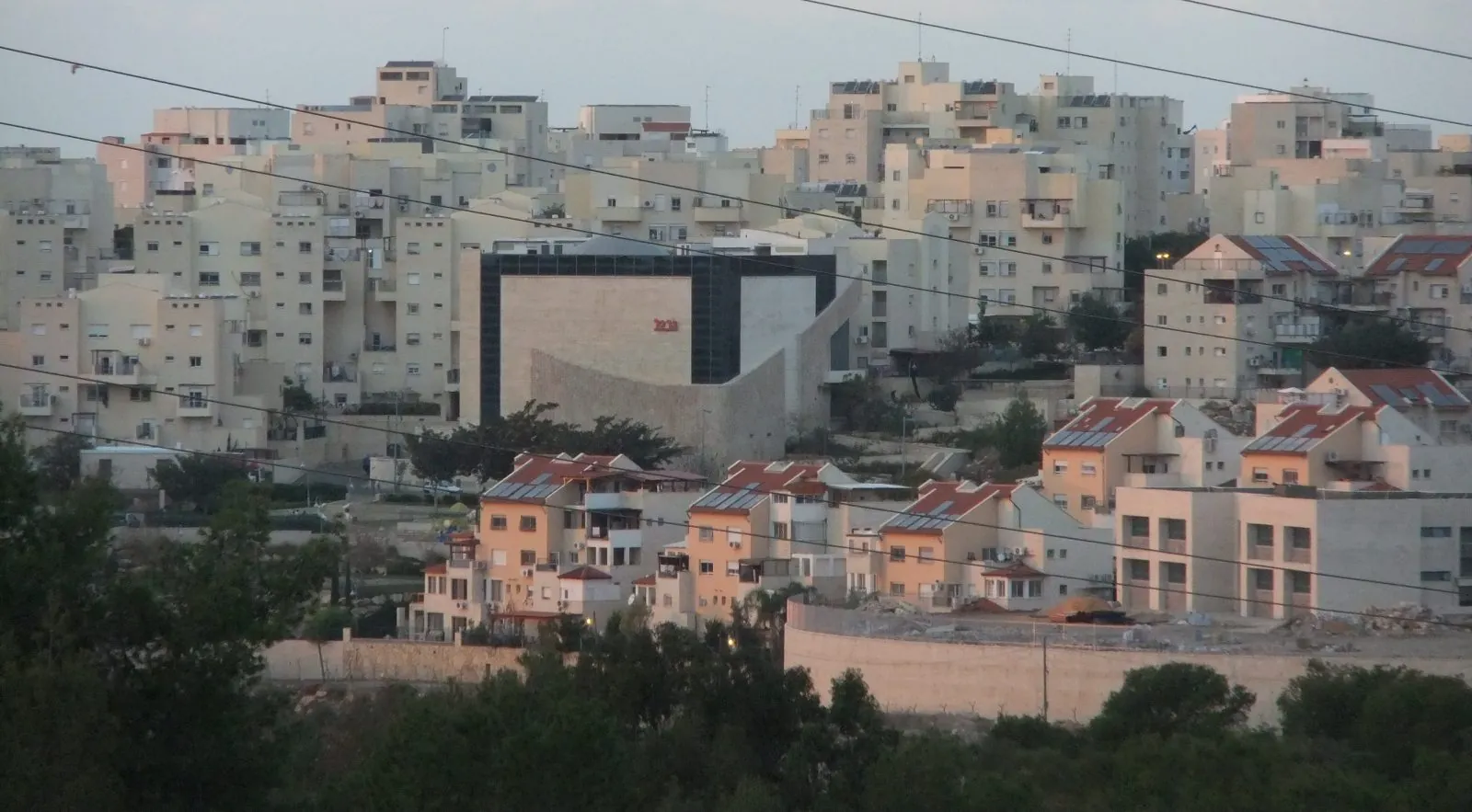
El'ad is a young city, born of a decision: in 1998, the state founded a new town to meet the housing demand of Haredi families, 25 kilometres east of Tel Aviv, between Rosh HaAyin and Shoham, on Route 444. Its name means 'God eternal'; it is also the name of a member of the tribe of Ephraim mentioned in the Bible. In a quarter of a century, El'ad has grown from a building site into a city of 50,846 people (CBS 2024), one of the densest in the country with 18,450 residents per square kilometre, on only 2.756 square kilometres. This density is explained by its population: large families, living in family apartments, close to synagogues and schools. El'ad is the only locality in Israel officially designated as a religious municipality, a status that marks its character and its workings. Daily life is organised around prayer and study: neighbourhood synagogues, yeshivot and Talmudic schools, shops adapted to Shabbat and community life. The new neighbourhoods documented in the community press bear witness to this: Nachlas Shraga, a new project for Torah-study families, Yotzei Slobodke and Avnei Nezer, under construction. These names describe the demand profile: religious families, often large, looking for a family apartment in a city where Jewish life is central — not a rental investment or a second home. El'ad is not a tourist town and it is not a seasonal rental market: demand there is residential and community-based. The foreign buyer interested in El'ad is most often himself from a religious family, in France, Belgium, the United Kingdom or the United States, and he buys to settle there, to house his children or to be closer to his community. The question of access to community projects arises for each development: the conditions of each new project must be checked with the municipality or the developer, and this page decides nothing on that point without a source. For the rest, a purchase follows the rules common to all of Israel: checking the Tabu, the land registry, an independent lawyer, and financing prepared in advance. The purchase tax, Mas Rechisha, applies to every purchase: its rules change and are subject to an ongoing tax ruling, which is why this page gives no numeric thresholds and refers you to the dedicated guide and to IsraelStart's tax and fees simulator. The Mashkanta, the Israeli mortgage, should be prepared before signing, with the financing simulator on the site. IsraelStart's personalised property search lets you start the process without travelling first: a property hunter qualifies the budget, the type of home and the area, then only presents verified properties, taking the community character of the town into account.
- Buy for the community, not for the yield: El'ad is not an investment market: demand there is residential and community-based. The first criterion is the Jewish life of the town — synagogue, school, neighbours — and the purchase is judged on those criteria, not on a rental yield.
- Check the conditions of each new project: El'ad's new projects each have their own access conditions, linked to their community vocation. Before signing, check these conditions with the developer or the municipality, and have what is promised confirmed in writing.
- Compare with Rosh HaAyin and Shoham: Rosh HaAyin and Shoham, El'ad's neighbours on Route 444, offer different, more mixed markets. Compare the three towns on IsraelStart before choosing: the religious character of El'ad is a way of life, to be compared with full knowledge of the facts.
- Prepare tax and financing in advance: Mas Rechisha and the Mashkanta should be prepared before signing: the tax guide and IsraelStart's tax and financing simulators help frame the full cost of the deal, and the personalised search puts you in touch with a broker and a lawyer.
Key advantages
- Israel's only official religious municipality: El'ad is the only locality in the country officially designated as a religious municipality. For a Haredi or religious-Zionist family, this status guarantees a coherent way of life: synagogues, Talmudic schools and shops organised around Shabbat and the festivals.
- A young town, designed for families: Founded in 1998, El'ad was built for families, often large: family apartments, neighbourhood schools and synagogues, community life. New projects such as Nachlas Shraga continue this vocation, with homes designed for Torah study.
- 25 km from Tel Aviv, between Rosh HaAyin and Shoham: Located on Route 444, between Rosh HaAyin and Shoham, El'ad is about 25 kilometres east of Tel Aviv. People live there in a religious town while staying connected to the centre of the country for work, study and services.
- Sustained population growth: Having grown from nothing to 50,846 residents (CBS 2024) in a quarter of a century, El'ad is one of the fastest-growing towns in the centre of the country. This momentum drives demand for family housing and new projects, in a dense town where land is scarce.
Infrastructure & Transport
- Route 444 and buses to the centre: El'ad is served by Route 444, which connects it to Rosh HaAyin and Shoham, and by bus lines to Petah Tikva and Tel Aviv. Daily travel runs along these axes, and the proximity of Rosh HaAyin gives access to its railway station.
- Synagogues, yeshivot and schools: The town has many neighbourhood synagogues, yeshivot and Talmudic schools, which structure daily life. For a religious family, being close to a synagogue and a suitable school is a buying criterion as important as floor area.
- Neighbourhood shops and community life: El'ad's shops serve the life of the community, with hours and an offer adapted to Shabbat and the festivals. The shopping centres of nearby Rosh HaAyin and Petah Tikva complete the offer for everyday purchases.
Investment profile
- Family main residence: The dominant profile: a religious family buying a family apartment to live in, close to its synagogue and its children's school. The purchase is judged on the neighbourhood, the community and the services, not on a rental yield.
- Settling from abroad: For Haredi families from France, Belgium, the United Kingdom or the United States, El'ad is a destination for aliyah or for settling: a religious town, young, with new projects designed for families and a dense community life.
- Buying in community new-build: El'ad's new projects, such as Nachlas Shraga, are aimed at Torah-study families. The access conditions of each project must be checked with the developer or the municipality before any decision.
Neighborhoods of El'ad
Nachlas Shraga
Yotzei Slobodke
Avnei Nezer
Town centre
Newer residential areas
New build or resale in El'ad
In El'ad, you can compare the new developments listed in our catalogue or entrust us with the search for an existing property. The choice depends on your timeline, overall budget and target neighbourhood.
For resale, we define a brief with you — neighbourhood, number of rooms, mamad, lift, parking, outdoor space — then consult several sources and present an explained selection, with trade-offs and points to confirm.
Search in El'ad Buying resale property: the guideFrequently asked questions about El'ad
Is El'ad open to non-religious buyers?
El'ad is Israel's only official religious municipality and its neighbourhood life is organised around religious practice. There is no general published rule in the sources consulted on access for non-religious buyers to the town, and conditions vary by project: they must be checked project by project, with the municipality or the developer. A non-religious buyer should, however, expect neighbourhood life strongly marked by Shabbat and the festivals.
What is the price per square metre in El'ad?
IsraelStart does not publish a price per square metre for El'ad, for lack of a reliable, dated and verifiable source. No figure is reproduced here without a known origin. For a realistic budget, request a personalised search with verified comparable properties in El'ad and in the neighbouring towns of Rosh HaAyin and Shoham.
What are the neighbourhoods of El'ad?
The neighbourhoods documented in the community press are Nachlas Shraga, a new project for Torah-study families, Yotzei Slobodke and Avnei Nezer, under construction. The full list of neighbourhoods should be confirmed with the municipality, as the town, founded in 1998, is still being built.
Can I buy in El'ad from abroad?
Yes, as anywhere in Israel. You need a lawyer to check the Tabu and secure the transaction, financing prepared in advance if a Mashkanta is planned, and a power of attorney if you cannot travel for the signing. For El'ad, also check the access conditions of the project in question with the developer. IsraelStart's personalised search organises these steps with French-speaking professionals.
Are there new-build projects in El'ad?
Yes, new projects exist, notably Nachlas Shraga and Avnei Nezer, documented in the community press. No project is, however, counted in the IsraelStart catalogue as of the writing of this page. This page is therefore a guide: it presents the town and its neighbourhoods, and refers you to the general catalogue and the personalised search for available properties.
Similar cities
Discover other nearby cities or in the same price range.