Buying an Apartment in Israel from France: The Ultimate 2026 Guide
Why France Is the Leading Buyer Country in Israel
Purchasing an apartment in Israel from France is a major life project for thousands of families each year. Whether your goal is a profitable rental investment, a pied-à-terre before making Aliyah, or a home for your children studying in Israel, the process is clearly structured — provided you surround yourself with the right professionals.
French buyers have historically represented the largest foreign group in the Israeli real estate market. Several factors explain this dominant position: a strong and organized community, deep family and cultural ties with Israel, a well-established network of French-speaking professionals — lawyers, brokers, real estate agents — and local knowledge often passed down from generation to generation.
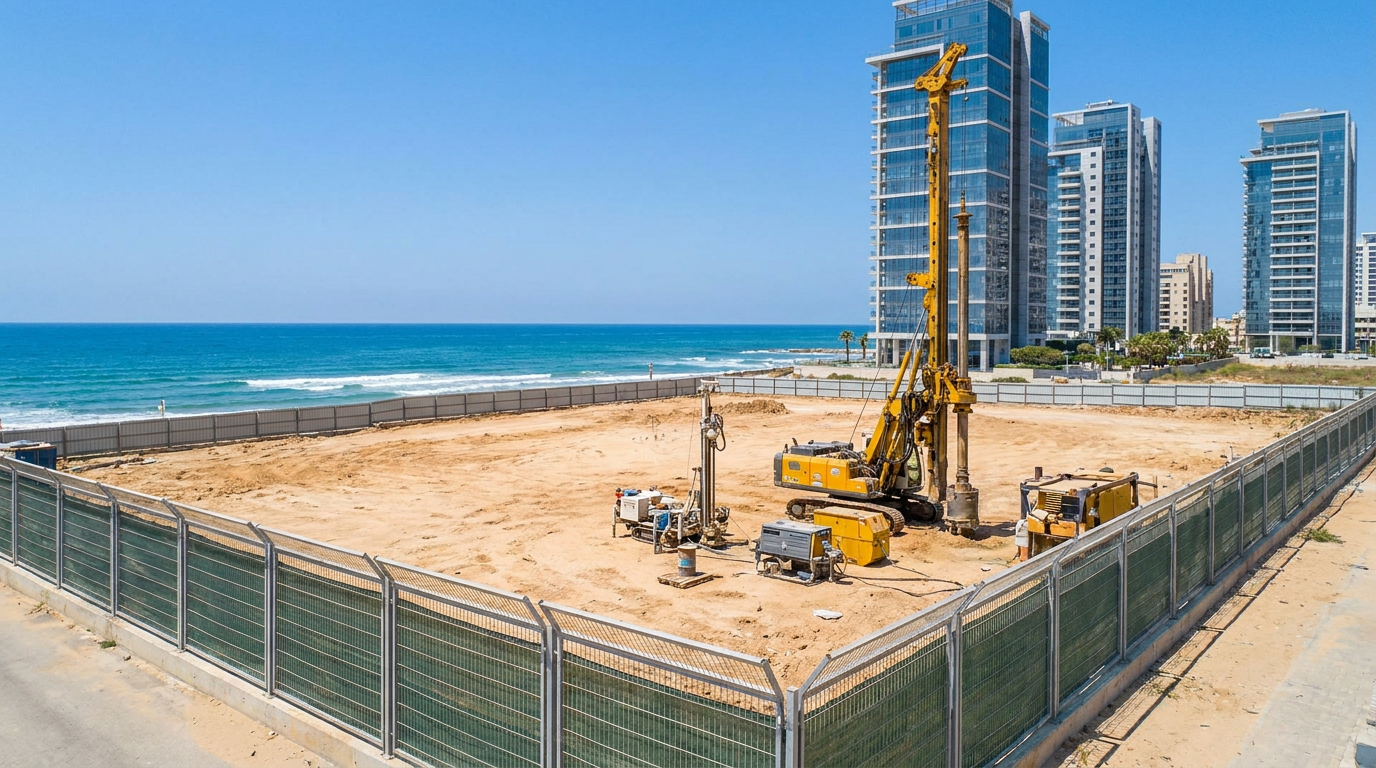
In 2026, the new-build market in Israel features over 300 active projects across more than 50 cities, from Tel Aviv to Beer Sheva, including Netanya, Jerusalem, Haifa, and Herzliya. The average price per square meter varies greatly depending on location: from 14,200₪/m² in Beer Sheva to 37,800₪/m² in Tel Aviv, offering opportunities for all budgets, from first-time buyers to seasoned investors.
The Israeli legal framework is favorable to international buyers: no nationality restrictions on purchases, the possibility to obtain a mortgage (mashkanta) even as a non-resident, and a land registration system (Tabo) that strongly protects property rights.
The 8 Steps to Buying from France
The process of purchasing a new apartment in Israel from France is broken down into 8 clearly defined steps. The entire process, from defining your project to receiving the keys, takes on average 18 to 36 months for an off-plan purchase, and 3 to 6 months for a completed property.
Step 1 — Define Your Project and Budget
Before taking any action, clarify three fundamental parameters. First, the objective: rental investment (annual yield of 3.5% to 6.2% depending on the city), second home (a pied-à-terre for holidays and celebrations), or primary residence (preparing for Alyah). Next, the total budget, systematically including 8 to 12% in additional fees above the listed price — Mas Rechisha, lawyer's fees, bank charges, registration at the Tabo. Finally, the location, based on your lifestyle criteria, expected yield, or community proximity.
Step 2 — Select the City and the Project
IsraelStart lists over 300 new developments throughout Israel. Our catalog allows you to filter by city, budget, number of rooms, delivery date, and estimated yield. For French buyers, the most popular cities are Netanya (dynamic French-speaking community, beachfront, accessible prices), Tel Aviv (premium market with strong capital appreciation), and Jerusalem (historic safe haven, +9.4% in 2025).
Step 3 — Appoint a Real Estate Lawyer
In Israel, the involvement of a real estate lawyer is essential — it is not optional as in France. Their role covers the legal verification of the property in the land registry (Tabo), negotiation and drafting of the purchase contract (Heskem Ekar), handling power of attorney if you are not present, coordinating with the bank for financing, and complete administrative follow-up until the property is registered in your name.
The fees for a real estate lawyer range from 0.5% to 1.5% of the property price, excluding 18% VAT. For an apartment at 2 million shekels, expect between 10,000₪ and 30,000₪. This is an essential investment that protects your acquisition. IsraelStart has a network of verified French-speaking lawyers covering the entire country.
Step 4 — Obtain a Power of Attorney (for Remote Purchase)
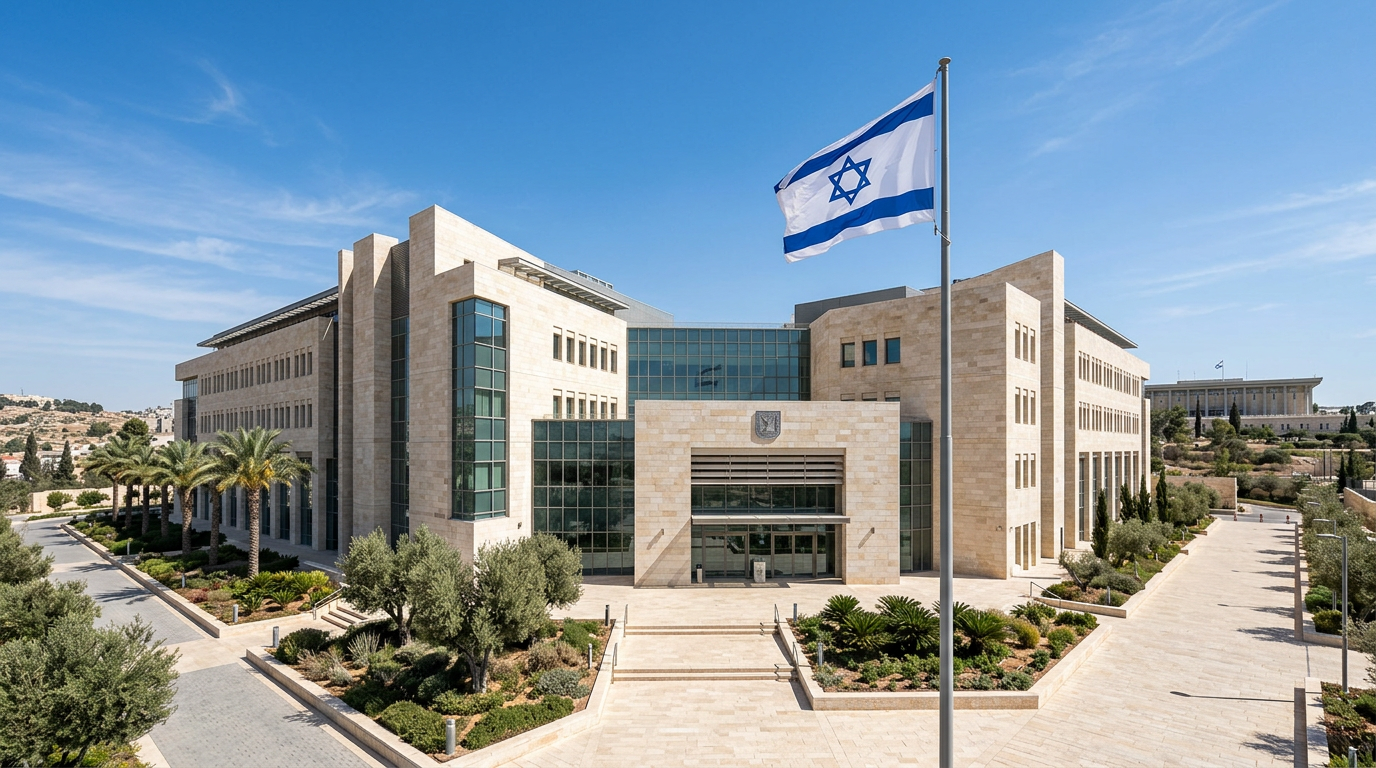
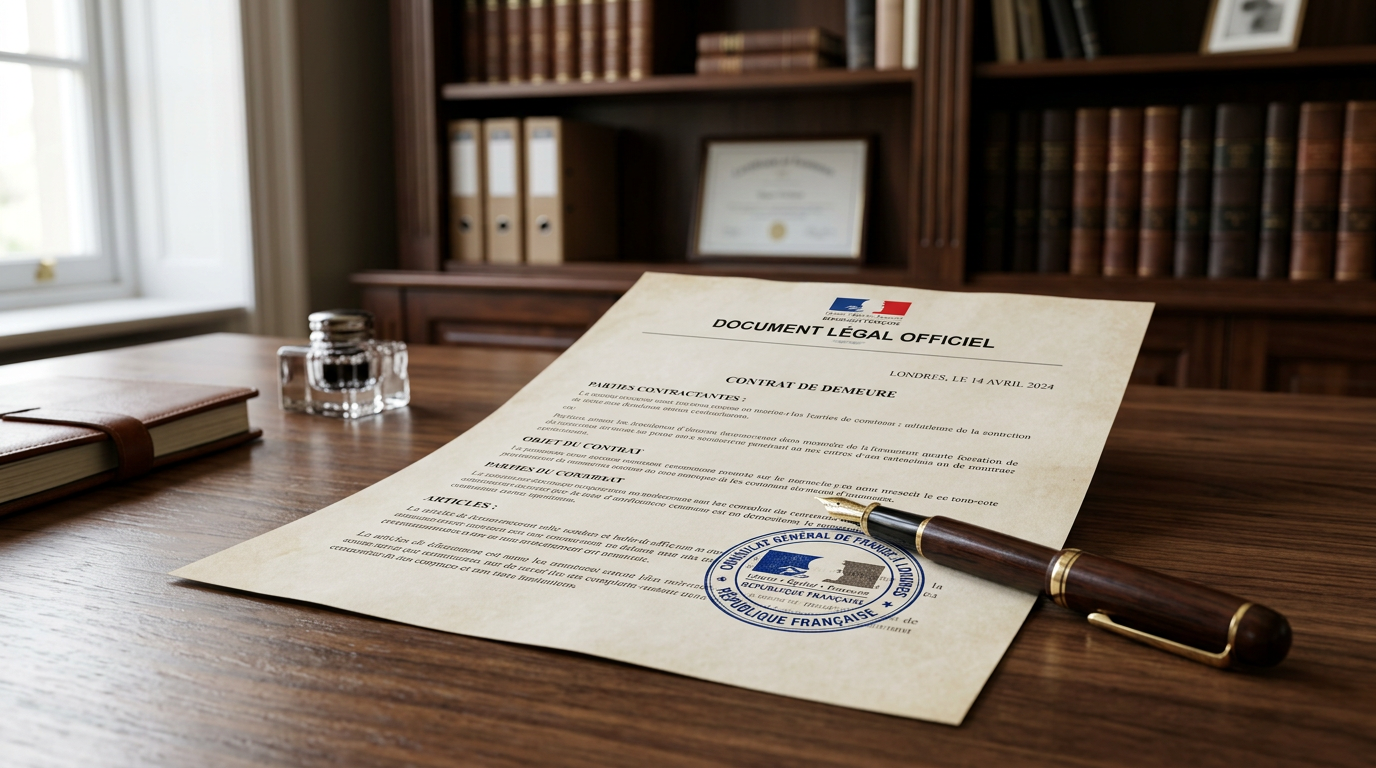
A notarized power of attorney allows your lawyer to sign all documents on your behalf. This is the key that makes a 100% remote purchase possible. It can be obtained either at the Israeli consulate in France (appointment within 2 to 3 weeks, cost about €80), or with a French notary with a Hague apostille (similar timeframe, cost €150 to €250). This power of attorney covers contract signing, installment payments, and all administrative procedures. Thousands of French buyers complete their purchase each year without setting foot in Israel before delivery.
Step 5 — Open a Bank Account in Israel
An Israeli bank account is mandatory for real estate purchases. The main banks — Hapoalim, Leumi, Discount, Mizrahi-Tefahot — offer services tailored to non-residents. Opening an account requires a valid passport, proof of income (last 3 payslips or financial statements), a recommendation letter from your French bank, and an anti-money laundering compliance declaration. Some banks allow remote opening via power of attorney. Allow 2 to 4 weeks for the full procedure.
Step 6 — Finance the Purchase (Mashkanta)
French non-residents can obtain a mortgage (mashkanta) from Israeli banks, with a minimum down payment of 50% of the property value (LTV of 50%, compared to 70-75% for residents). Rates in 2026 range from 4.5% to 6.5% depending on the type of rate chosen (fixed, variable, or mixed) and the loan term. The application includes: last three financial statements or payslips, French tax notice, bank statements for the past 6 months, and the signed reservation contract. The bank will assess the property and your repayment capacity.
Step 7 — Sign the Contract and Schedule Payments
The sales contract (Heskem Ekar) is drafted and negotiated by your lawyer. For an off-plan purchase, payments are staggered according to a schedule linked to construction progress: typically 10% at signing, then 15% at each key stage (foundations, structural work, partitioning), and the remaining 45% upon delivery. Each payment is protected by a bank guarantee (Havtachat Milvia) issued by the developer, as required by Israeli law on apartment sales.
Step 8 — Handover and Registration at the Tabo
At delivery, your lawyer inspects the property with an expert, checks compliance with the contractual plans, and drafts a list of any issues the developer must address. Once the balance is fully paid and all issues are resolved, the apartment is transferred to your name in the land registry (Tabo). This registration process usually takes 6 to 18 months after delivery for a new property. Your lawyer will follow up until you receive the final title deed.
Notarized Power of Attorney: Buy Without Ever Traveling
One of the main advantages of new real estate in Israel is the ability to complete the entire acquisition process remotely. The notarized power of attorney, a legal document recognized under Israeli law, authorizes your lawyer to act on your behalf for every step: signing the sales contract, making payments from your Israeli bank account, handling all administrative procedures — paying the Mas Rechisha, applying for registration at the Tabo, and corresponding with the developer.
This option fundamentally transforms the buying experience. You don't need to take time off, book a flight, or juggle time zones for appointments. Your lawyer and IsraelStart coordinate everything from your home, in your language, with regular updates at every key stage.
Cross-Border Taxation France-Israel: What You Need to Know Before Buying
The bilateral tax treaty of 1995 between France and Israel serves as the framework to avoid double taxation. Rental income generated by your property in Israel is taxable in Israel under three regimes of your choice: a flat 10% on gross income (the simplest), 15% on net income after deducting expenses, or the standard progressive scale. A tax credit is then applied in France to neutralize double taxation.
Capital gains (Mas Shevach) are taxed in Israel according to a progressive scale with significant allowances based on the holding period. The acquisition tax (Mas Rechisha) is the most significant expense for non-residents: about 8% for a property worth 2 million shekels, compared to 0 to 3.5% for an Israeli resident. Our online simulator calculates the exact amount applicable to your situation in 30 seconds.
The Top Cities for French Buyers in 2026
Choosing the right city is crucial and directly depends on your investment goals. Here is a comparison of the 6 most popular cities among French buyers, with updated CBS data:
| City | Avg. price per m² | Rental yield | Typical profile |
|---|---|---|---|
| Tel Aviv | 37,800₪ | 3.2% – 3.8% | Premium, capital appreciation |
| Jérusalem | 28,500₪ | 3.5% – 4.2% | Safe haven, steady demand |
| Netanya | 21,200₪ | 4.2% – 4.8% | French-speaking community, seafront |
| Herzliya | 32,000₪ | 3.0% – 3.5% | Luxury, tech, expats |
| Haïfa | 16,800₪ | 5.0% – 5.5% | Tech hub, accessible, high potential |
| Beer Sheva | 14,200₪ | 5.8% – 6.2% | Best yield, university hub |
Netanya remains the top destination for French buyers thanks to its well-established French-speaking community, still-accessible seafront prices, and a highly sought-after Mediterranean lifestyle. Tel Aviv attracts investors focused on long-term capital appreciation, while Beer Sheva appeals to those seeking the highest rental yields in the country, driven by student demand and the cyber hub.
FAQ: The 10 Most Frequently Asked Questions
Can a French citizen buy property in Israel without being a resident?
Yes, there are no nationality restrictions for buying real estate in Israel. Non-residents can purchase, finance through mashkanta, and rent out properties. The only difference is in taxation: the Mas Rechisha rate is higher for non-residents.
Is it necessary to travel to Israel to buy property?
No. Thanks to a notarized power of attorney, your lawyer can act on your behalf for all procedures. Thousands of purchases are made entirely remotely from France each year.
What is the minimum down payment for a non-resident?
50% of the property price. Israeli banks lend up to 50% of the value to non-residents (LTV 50%), compared to 70-75% for residents.
How much does a real estate lawyer cost in Israel?
Between 0.5% and 1.5% of the property price, excluding VAT ( 18%). For a property worth 2 million shekels, expect to pay 10,000₪ to 30,000₪. This investment is essential.
What is Mas Rechisha?
The real estate acquisition tax in Israel, payable within 50 days of signing the contract. The amount depends on your resident/non-resident status and the property price.
Can a French citizen get a mortgage in Israel?
Yes, Israeli banks lend to non-resident French buyers. The minimum down payment is 50%, and 2026 rates range from 4.5% to 6.5%.
How long does the purchase process take?
For off-plan purchases: 18 to 36 months from signing to delivery. For ready properties: 3 to 6 months to complete all procedures.
Does the France-Israel tax treaty protect against double taxation?
Yes, the 1995 treaty provides tax credit mechanisms to avoid being taxed twice on the same real estate income.
Does IsraelStart take a commission?
IsraelStart is paid by developers, which means that support — search, legal, financing, follow-up — is included in the service, with no extra cost to the buyer.
How do I start my project?
Start with a personalized assessment on IsraelStart: describe your project in 5 steps and receive a tailored selection from our 300+ programs across Israel.
This service is particularly suitable for buyers residing abroad.
Your Next Step with IsraelStart
IsraelStart is the leading platform dedicated to buyers of new real estate in Israel, wherever you are in the world. Our support covers the entire process: searching among 300+ developments across Israel, connecting you with a lawyer who speaks your language, mashkanta assistance with negotiation of terms, construction monitoring with regular reports, and turnkey property management if you invest.
Everything is done from your home, in your language. Start with a personalized assessment: describe your project in 5 steps and receive a tailored selection from our new developments.
Need personalized support?
An IsraelStart expert will call you within 24h with a personalized analysis of your project.