Contaminated soils in Israel: what Sde Dov and Taas HaSharon teach buyers
Several of the largest land reserves in central Israel are former military, airport, or industrial sites. Their redevelopment promises tens of thousands of housing units, but sometimes faces an invisible obstacle: soil pollution. Two cases back in the news this week, Sde Dov in Tel Aviv and Taas HaSharon in the Sharon, show how this risk leads to delays. This is a relevant topic both for buyers from abroad and for Israelis already living in Israel.
Sde Dov: Drilling Completed, Results Pending
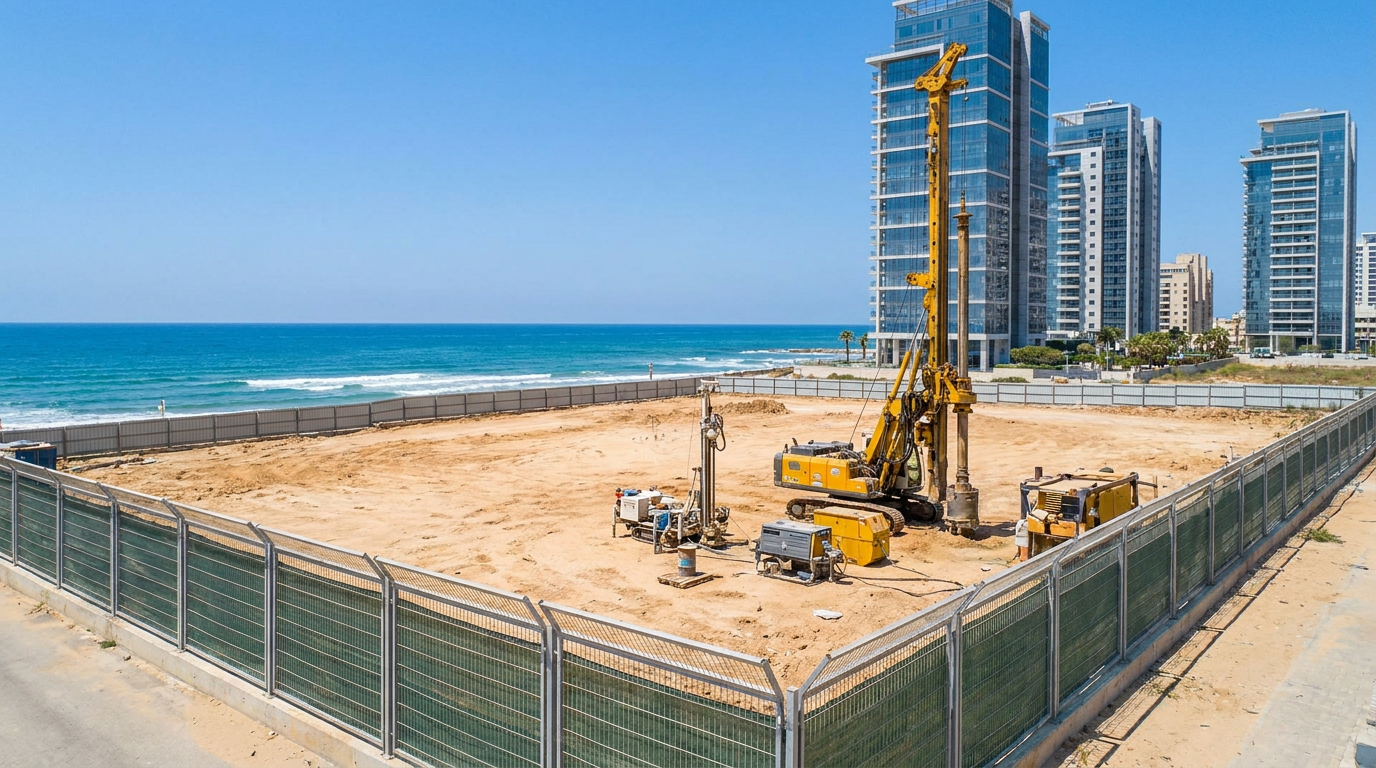
According to Globes, on October 6, 2026, the Land Authority informed the court about the progress of analyses in the "grand îlot" of Sde Dov, on the site of the former Tel Aviv airport. After the drilling plans were approved by the Ministry of Environmental Protection, drilling was carried out on all the relevant private plots, with one exception: one plot requires preliminary clearing work.
The samples are at the laboratory, which is experiencing delays. Results are expected within about thirty days; the court has requested an update no later than November 5, 2026.
A Suspended Lottery
This is a concrete issue for around 1,700 eligible parties awaiting the allocation of plots by lottery. Initially scheduled for the end of June 2026, then postponed to August 11, it is now dependent on the completion of the analyses. The land administrators argued that plots could not be allocated without knowing the extent of the pollution, its remediation, and who will bear the cost. The court agreed with them.
The article does not specify the nature of the pollutant, the number of affected plots, or who will pay for the remediation: these remain open questions.
Taas HaSharon: Eight Years After Approval
The second case is of a different scale. According to Nadlan Center, on October 7, the joint district committee will meet on October 13, 2026, to discuss the environmental conditions of the Taas HaSharon plan, approved in 2018 on the former military industries site.
| Case | Sde Dov, large block (Tel Aviv) | Taas HaSharon |
|---|---|---|
| Site origin | former airport | former military industries |
| Scale | about 1,700 beneficiaries | about 7,430 dunams, 22,700 housing units |
| Blockage | land parcel lottery suspended | permits subject to studies |
| Court decision | court links lottery to analyses | Supreme Court, June 2024 |
| Next deadline | no later than November 5, 2026 | meeting on October 13, 2026 |
| Source | Globes | Nadlan Center |
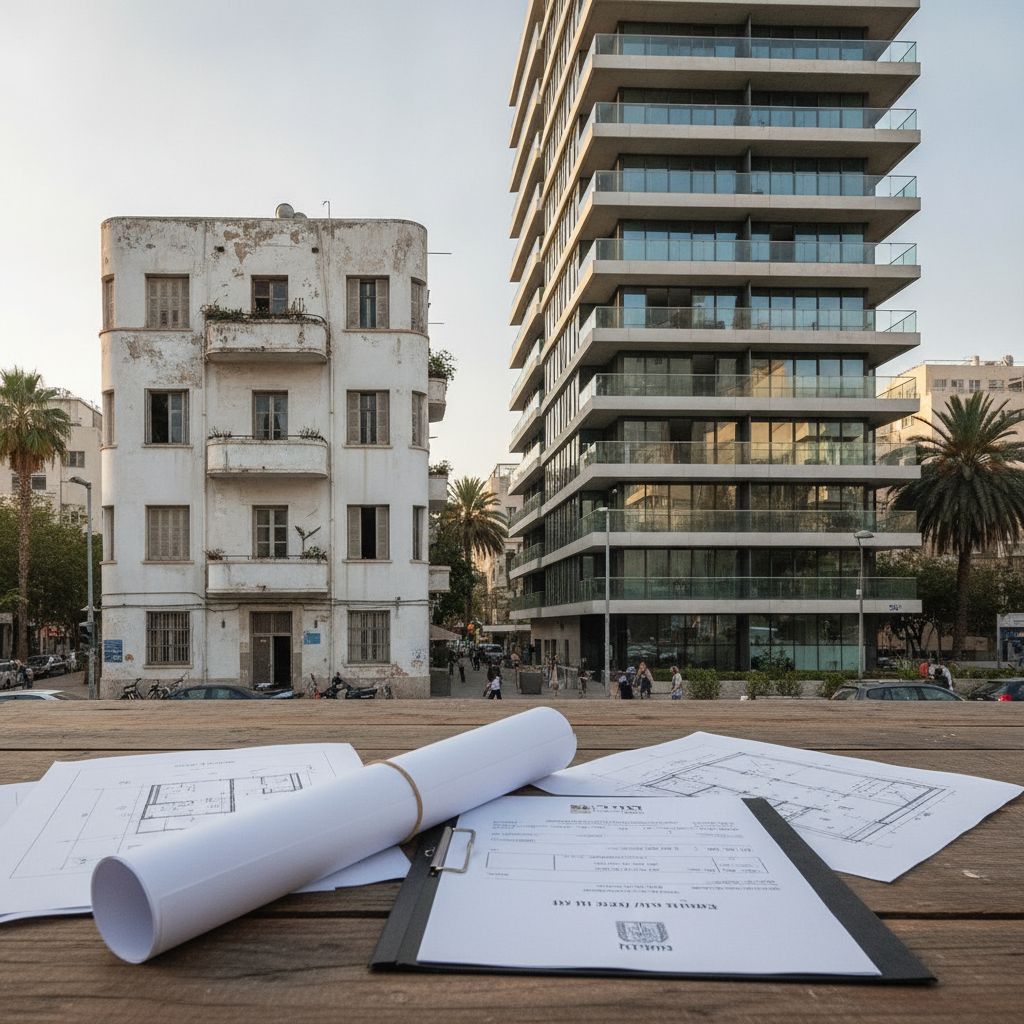
The history is long: submission decision in 2005, approval in 2018, start of demolitions in 2021, then Supreme Court ruling in June 2024, which suspended the works and required a soil study and environmental assessment before any permit. Opponents—municipalities and associations—demanded prior decontamination before any development and the application of the polluter-pays principle to the state. The October meeting should clarify the order between decontamination and permits. The case affects the entire supply in the Sharon, as we explain in our article on the Raanana master plan.
Why This Risk Concerns Homebuyers
The Timeline
If pollution is discovered late, it can add months or even years before construction can begin. For an off-plan purchase, this means delayed delivery, paying rent for a longer period, and a mortgage whose terms may change.
The Cost
Decontamination comes at a price. As long as it is unclear who will bear the cost, the land value remains uncertain. In a collective project, dividing this expense can become a source of dispute.
Long-Term Value
A neighborhood built on a properly decontaminated and documented site is not penalized. On the other hand, lingering doubts can affect resale and bank valuation.
However, perspective is needed: in Sde Dov, according to the rooftop agreements report published by Globes, 94.9% of the planned homes under the agreement—9,316 units—have already been marketed. The current issue concerns a specific block, not the entire neighborhood.
Checks to Request
1. Land history: former military, industrial, gas station, landfill use.
2. Soil studies and any requirements from the Ministry of Environmental Protection.
3. Building permit: has it been issued, or is it subject to remediation work?
4. Delay clauses in the contract and the compensation provided.
5. Bank guarantees under the law on the sale of new homes.
6. Status in the land registry, using our Tabo guide.
To assess the impact of a delivery delay on your cash flow, use our payment schedule simulator.
From Abroad or On-Site
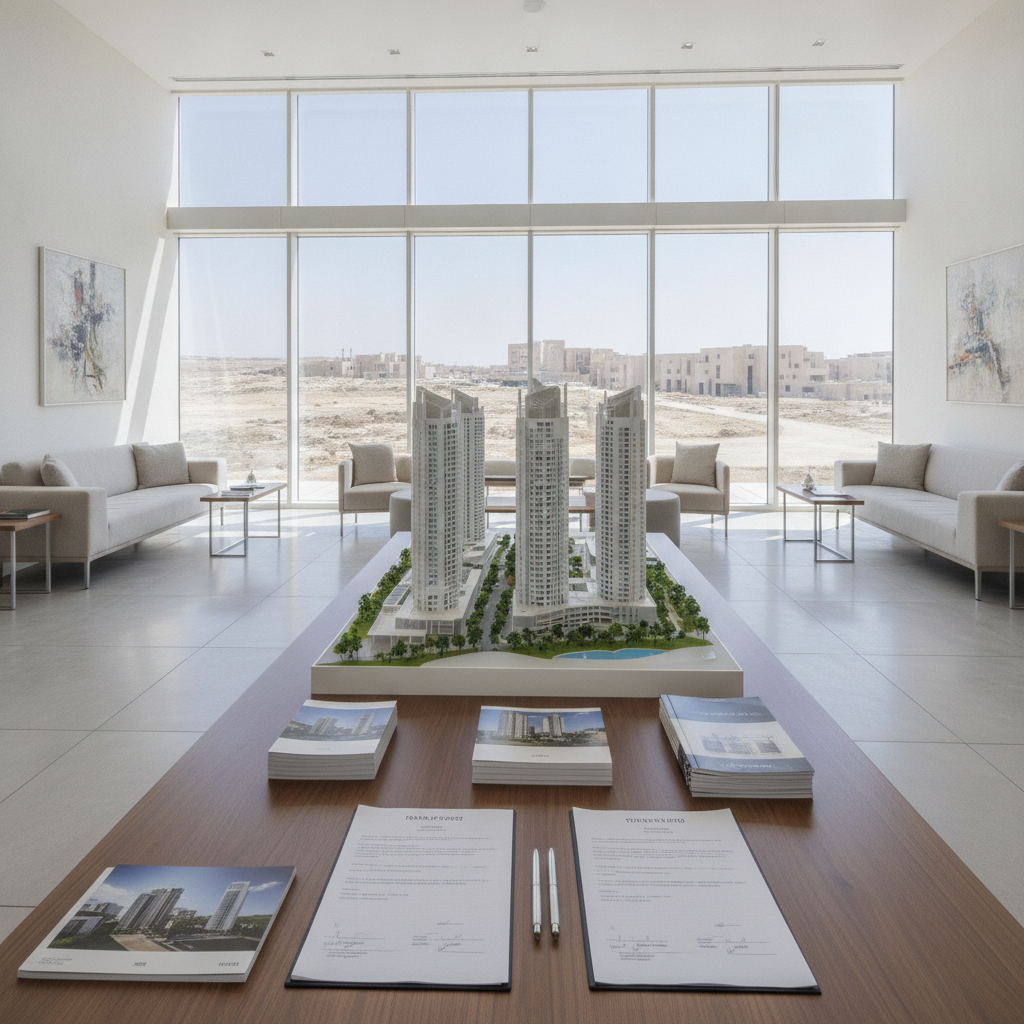
A buyer from abroad has no way to guess the history of a plot from a model: it's up to their lawyer to document it. An Israeli already in Israel often knows the reputation of a site, but must check that studies have been properly conducted and validated.
In both cases, the full cost must be calculated: 18% VAT included in the price of new properties, closing costs of 10 to 13%, and purchase tax (Mas Rechisha) to be confirmed depending on the buyer's profile. Three experts secure the transaction: lawyer · broker · architect. The lawyer requests studies and permits, the architect assesses foundation and basement constraints, and the broker plans a timeline margin in the financing.
See the page Tel Aviv. IsraelStart lists 300+ new projects across Israel: request a personalized assessment, with no obligation.
Sources
- Globes — Sde Dov: drilling completed on most plots of the large block (10/06/2026)
- Nadlan Center — Taas HaSharon: the plan returns to the planners (10/07/2026)
- Globes — Accords-toits: the report, including Sde Dov (10/06/2026)
Need personalized support?
An IsraelStart expert will call you within 24h with a personalized analysis of your project.