Building permits in Israel: when actual use is not enough
Two decisions handed down at the end of September in Tel Aviv highlight a rule that many buyers discover too late: in Israel, what matters legally for a building is what its building permit authorizes, not how it has been used for decades. These rulings directly affect urban renewal and rooftop extension projects. They are relevant both for buyers from abroad, who cannot always visit in person, and for Israelis already in Israel considering the purchase of a renovated older property or a new development off-plan.
Neve Shaanan: An Inhabited Building, But an Industrial Permit
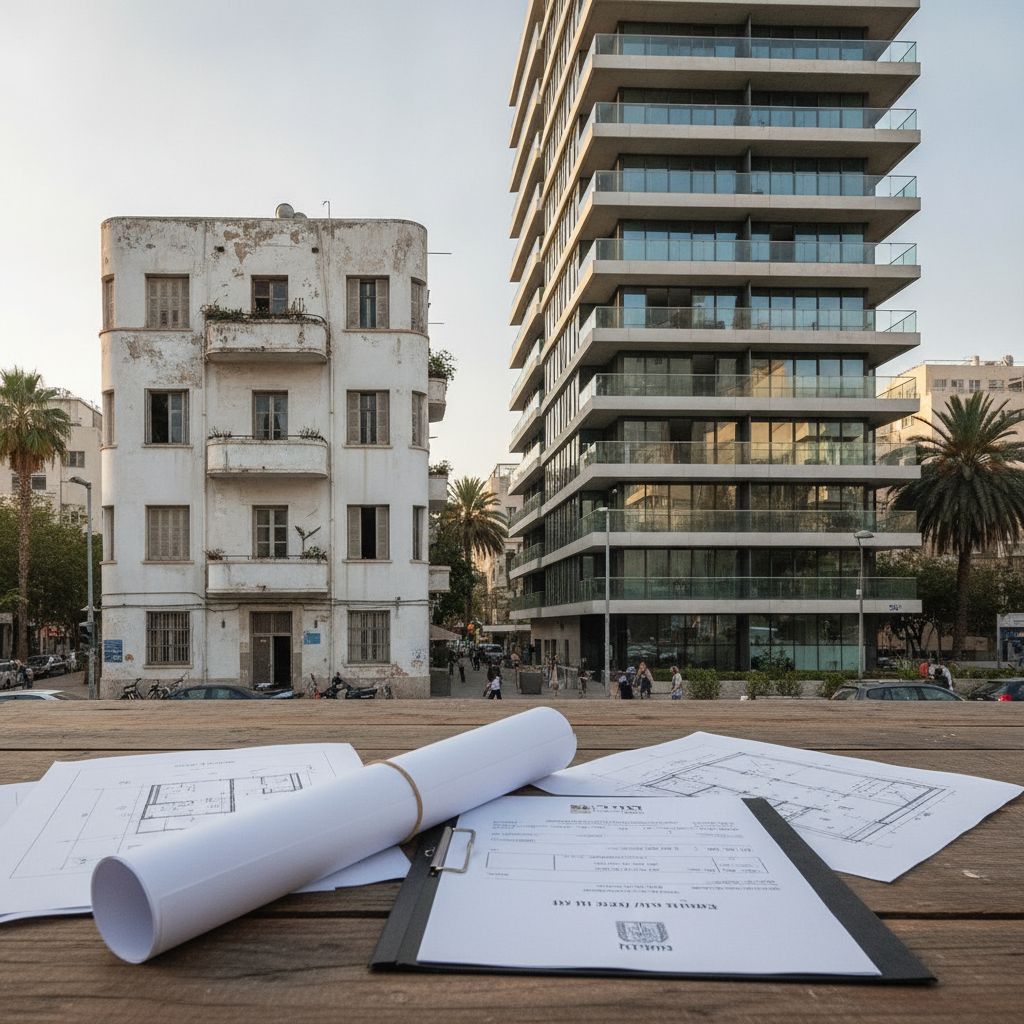
According to Nadlan Center, the Tel Aviv administrative court examined the case of a building in the Neve Shaanan neighborhood that had been used as a residence for many years. The issue: the original building permit, issued in 1946 under the British Mandate, designated it for industrial use, specifically as a printing house.
The owners wanted to take advantage of the enhanced rights of Tama 38, which would have allowed them to add two and a half floors. The court refused: it is the purpose set by the building permit that determines eligibility, not the actual use or even the current zoning of the land. The applicants were ordered to pay ₪20,000 in costs.
The lesson is clear. An apartment occupied as a home for decades is not necessarily considered a residence under urban planning law. The consequences can affect building rights, resale value, and even bank financing.
HaYarkon Street: Mixed-Use Housing-Hotel Plan Rejected
The second case, also reported by Nadlan Center, concerns HaYarkon Street, in the White City listed as a UNESCO World Heritage Site. The project involved two seven-story buildings with 55 apartments, 32 hotel rooms, and retail spaces, on a plot of about 1.2 dunam.
The court ruled that the combination of residential and hotel use was not explicitly permitted by the applicable plans, and was therefore prohibited. It also found that a shared party wall between the two buildings effectively merged the plots, exceeding the 700 m² limit. As a result, a new permit application is required, and 15,000 ₪ in costs were imposed on the project developer.
| Case | Issue | Decision | Costs |
|---|---|---|---|
| Neve Shaanan, Tel Aviv | Enhanced Tama 38 rights (+2.5 floors) on a building with a 1946 industrial permit | Refused: permit purpose takes precedence over actual use | 20,000 ₪ |
| HaYarkon Street, Tel Aviv | 55 apartments + 32 hotel rooms + retail on ~1.2 dunam | Mixed-use not permitted, effective plot merger beyond 700 m² | 15,000 ₪ |
Why These Decisions Matter for Buyers
Urban renewal is booming. According to CBS data published by Globes, around 9,600 housing units were started in this segment in the first half of 2026, including 2,032 in Tel Aviv, which tops the ranking. Our urban renewal city ranking details these figures.
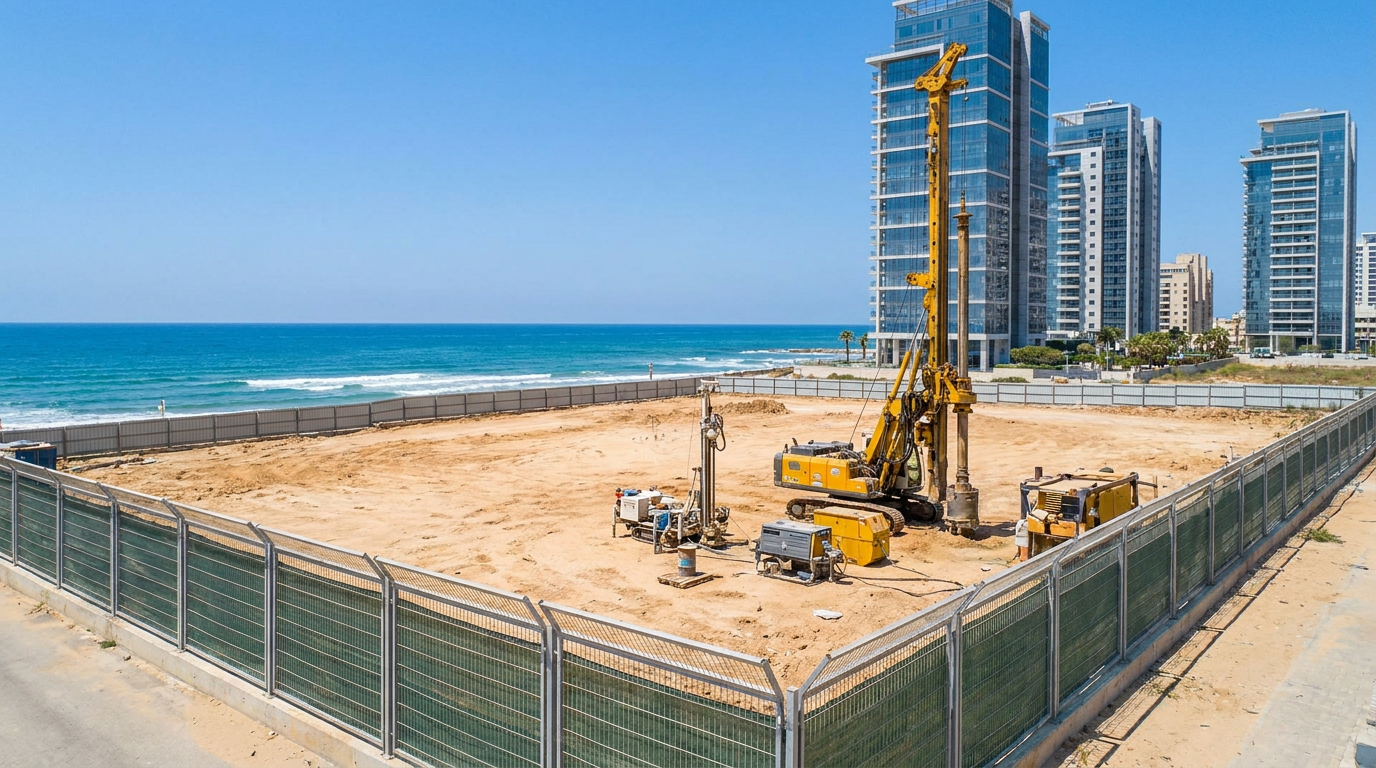
The more projects there are, the more fragile cases appear. A project may be presented as secured, even though its permit is based on a questionable interpretation of the plans. If the permit is challenged, the construction can be delayed for several years, and the off-plan buyer ends up with tied-up capital.
The Four-Step Verification Method
1. Read the Building Permit, Not Just the Brochure
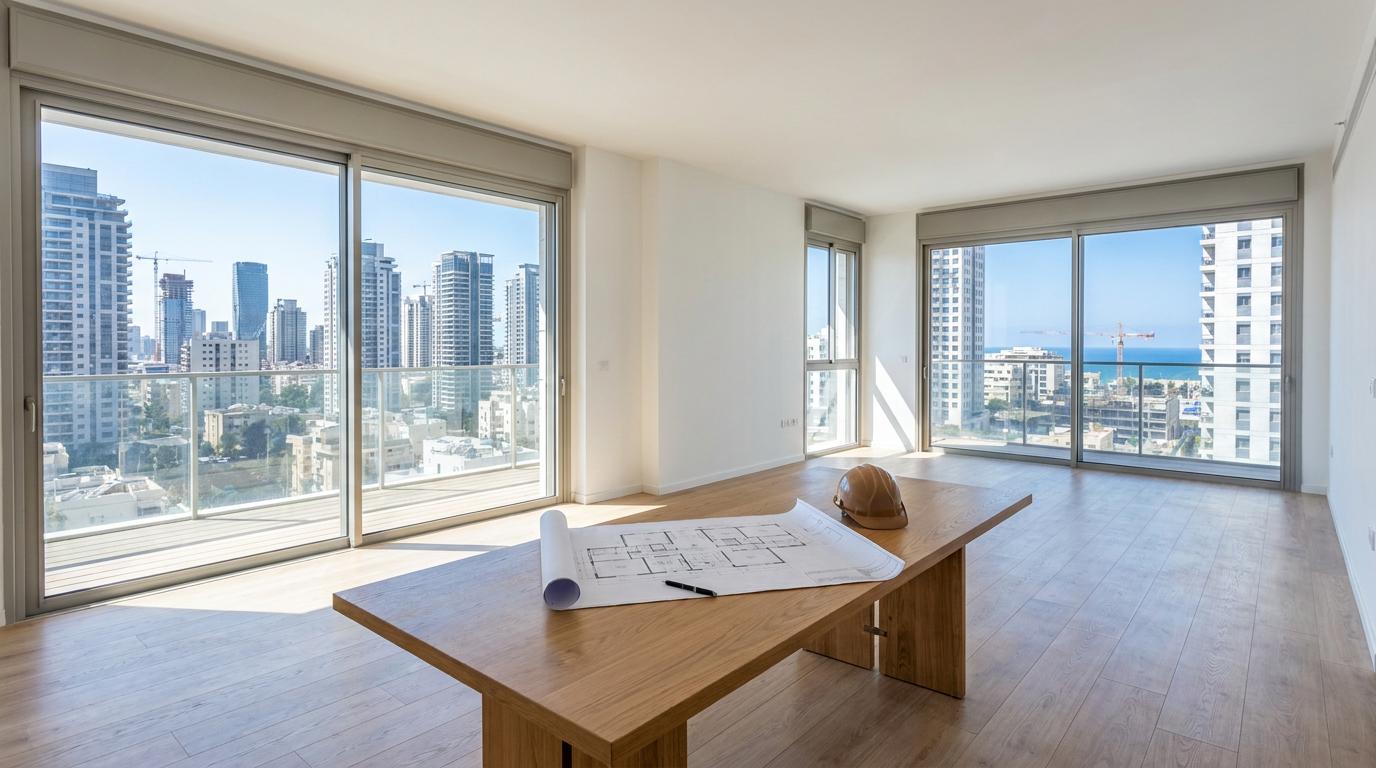
Request a copy of the building permit and check its purpose: residential, commercial, hotel, or industrial. For older buildings, trace back to the original permit.
2. Check the Tabo
Registration in the land registry indicates the nature of the property, any annotations, and the rights of third parties. Our guide on Tabo explains how to read an extract.
3. Verify Compliance with the Urban Plan
The architect compares the project with applicable plans: heights, permitted uses, areas, and plot boundaries. This is exactly what led to the failure of the HaYarkon Street case. The new rules under discussion for protected spaces, detailed in our article on Mamad standards, show that these calculations are evolving.
4. Have Everything Approved at Signing
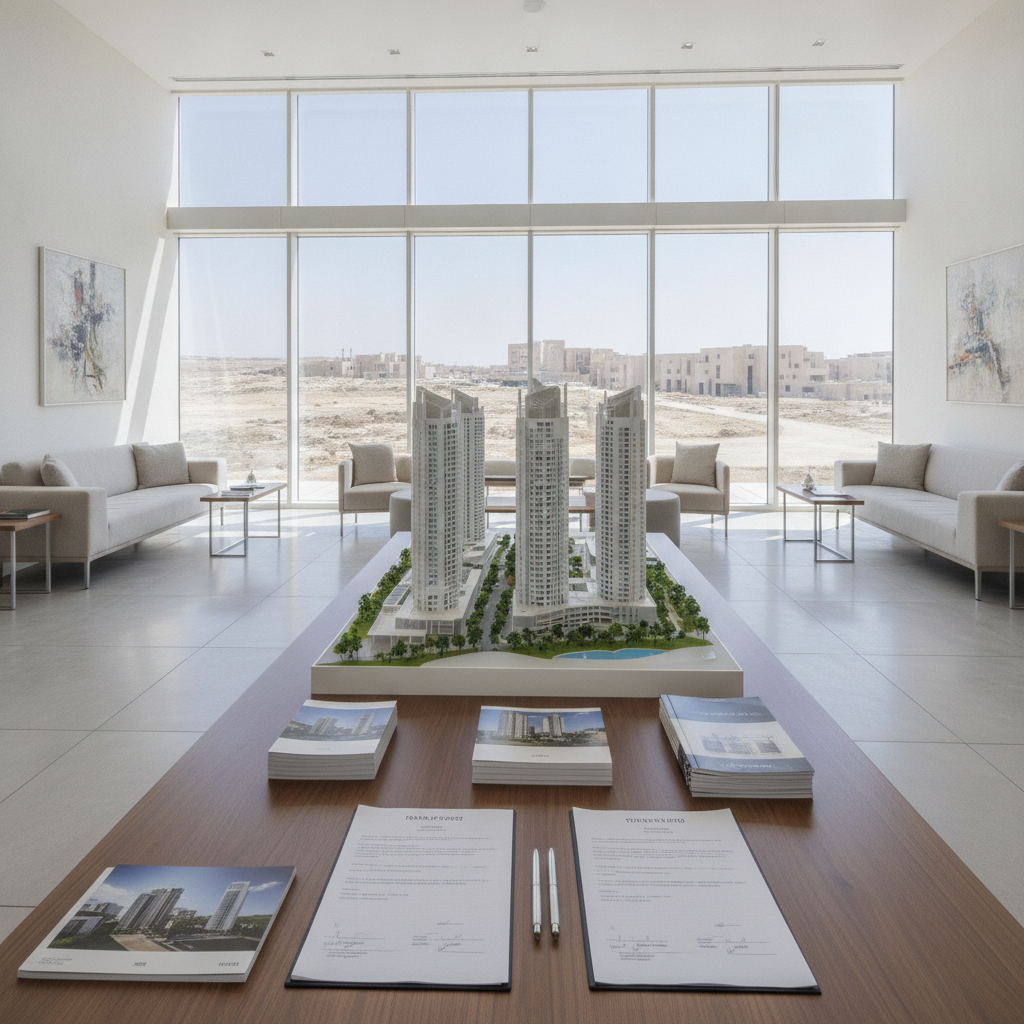
The lawyer checks that the contract includes appropriate guarantees in case of delay or permit cancellation. Nothing should be signed based solely on a commercial promise.
From Abroad or in Israel: Who Does What
For a buyer from abroad, the distance makes these checks more challenging, which is why having a local team is so important. For a resident, being nearby can sometimes create a false sense of security: knowing the neighborhood does not replace reading the permit. In both cases, the team you need is the same: lawyer · broker · architect. The broker knows that a bank may refuse to finance a property if its legal designation does not match its intended use.
To explore Tel Aviv with full understanding, check out our Tel Aviv city guide. IsraelStart lists 300+ new developments across Israel; request a personalized assessment, with no obligation, to review a specific project.
Sources
- Nadlan Center — Neve Shaanan, Tama 38 rejected: permit destination prevails (27/09/2026)
- Nadlan Center — HaYarkon Street, mixed residential-hotel use rejected (28/09/2026)
- Globes — Urban renewal, construction starts H1 2026, CBS data (29/09/2026)
Need personalized support?
An IsraelStart expert will call you within 24h with a personalized analysis of your project.