Luxury tower stalled, disputes between developer and builder: how to protect yourself when buying off-plan
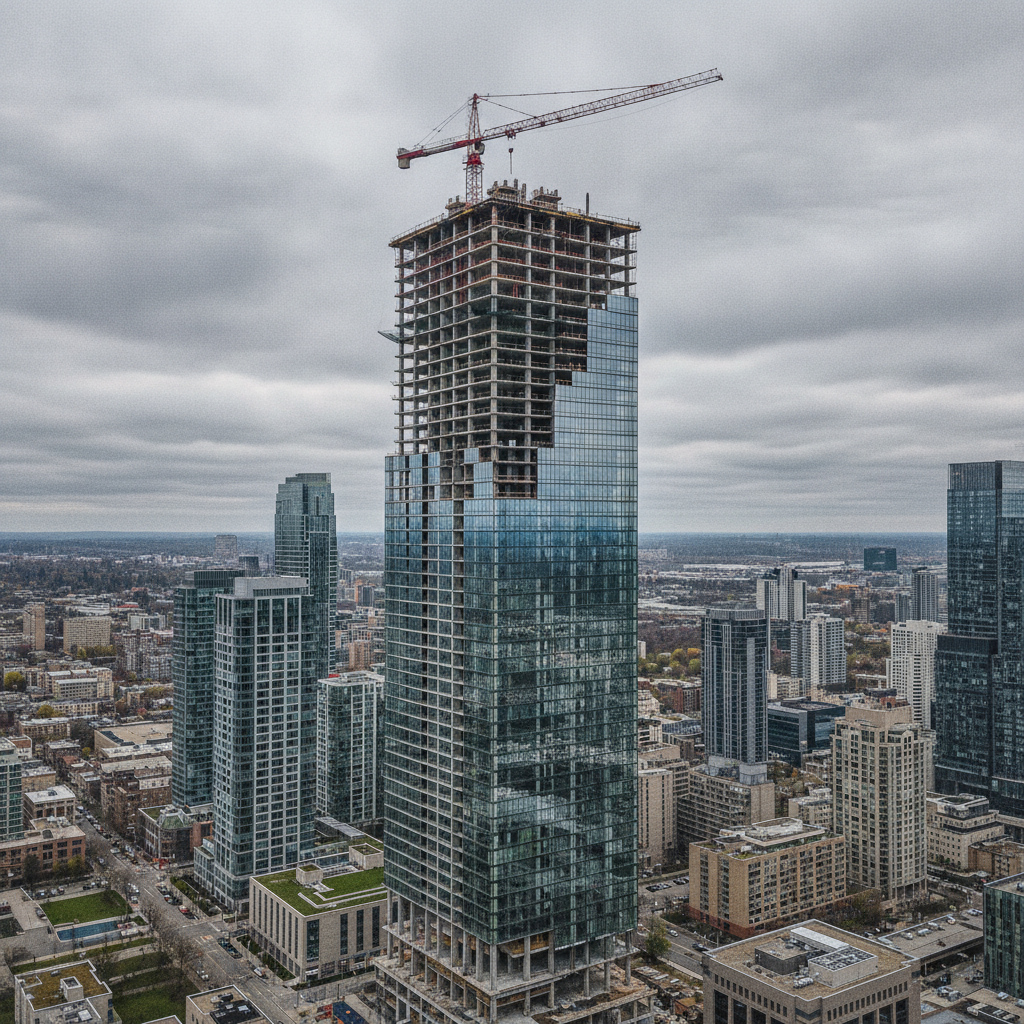
This week, Globes told the story of a luxury Tel Aviv tower only half sold after ten years of marketing, at the heart of cross-litigation exceeding one billion shekels. An extreme case that recalls the essential protections of off-plan buying.
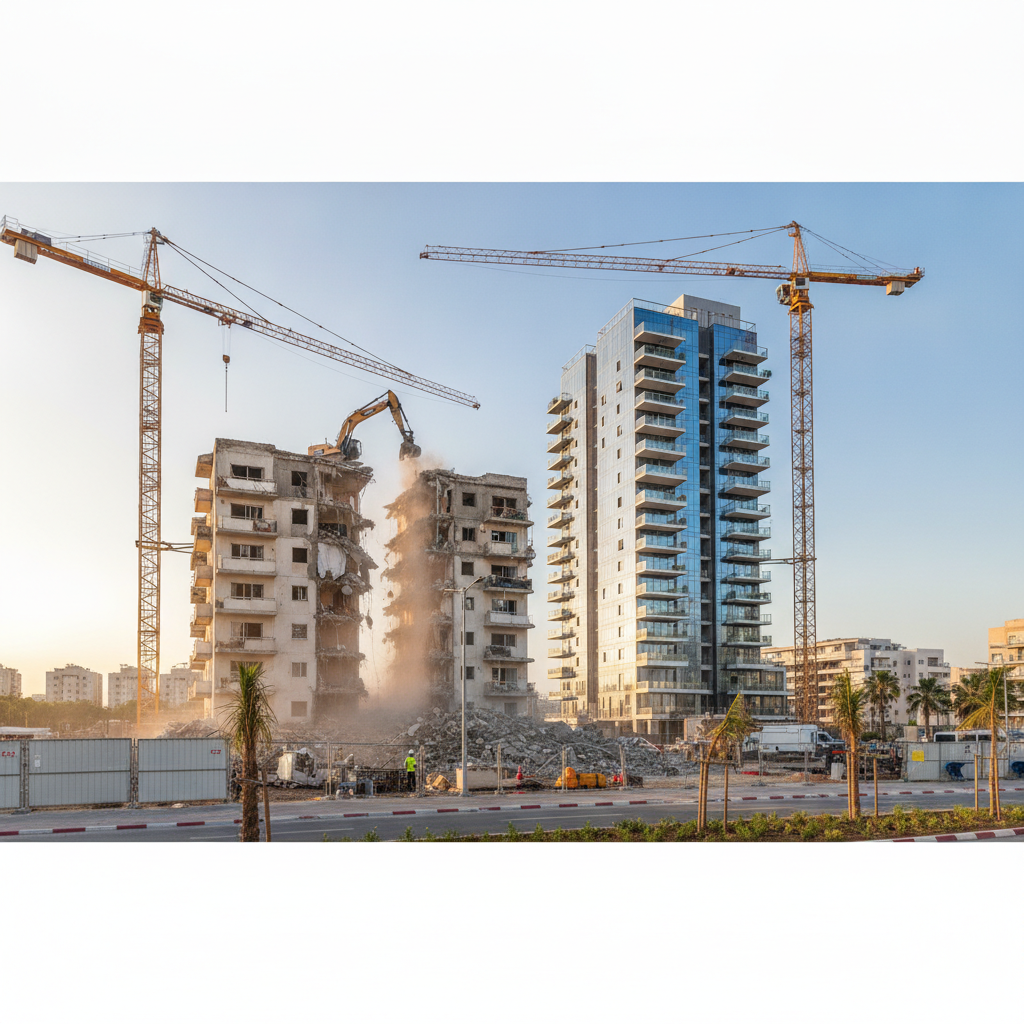
Buying off-plan in Israel remains the main way to access new properties. However, an article published this week by Globes reminds us that some projects can go off track: a luxury tower in Tel Aviv has sold only about half of its apartments after ten years on the market, while the developers and the construction company are in arbitration over more than one billion shekels in cross-claims.
This case is exceptional. Yet, it illustrates why every buyer, whether an Israeli resident or purchasing from abroad, must rely on the protections provided by law and contract.
A Case Study
According to Globes, the construction company alone is claiming around 270 million shekels, and several legal actions are targeting the project. For buyers, this kind of situation can mean delays, building management challenges, and uncertainty about resale value.
In a market where sales are slow and some developers are even renting out their unsold units (see our analysis), choosing the right project and having a solid contract are more crucial than ever.
Here are seven protections you should demand.
Protection 1: Guarantee of Each Payment
Israeli law on the sale of apartments requires the seller to guarantee the amounts paid by the buyer beyond a reduced threshold of the price. This guarantee usually takes the form of a bank guarantee linked to the project's financing, or an insurance policy.
In practice: each payment must be accompanied by the corresponding guarantee. Never pay a significant amount without having received the document. See our guarantees and financing guide.
Protection 2: The Warning Note
The warning note (hearat azhara) is registered in the land registry for the benefit of the buyer. It prevents the property from being sold to a third party or encumbered without your consent. Understanding how the Tabo works helps you follow this step.
Protection 3: an independent lawyer
The standard contract from the developer is drafted by their lawyer, in their interest. Your own lawyer, independent from the developer, negotiates the clauses, checks the legal status of the land, the permit, the project's bank financing, and the guarantees. See the lawyer's role.
Protection 4: Deadlines and Penalties
The law provides for compensation in case of delivery delays beyond a certain period. The contract can go further:
- Precise delivery date, not just an estimate;
- Clear and automatic late penalties;
- Limitation of force majeure cases invoked by the developer.
In a context where construction sites last longer and project starts are slowing down, this point is crucial. See construction statistics.
Protection 5: The Developer's Reliability
Before signing, check:
- The developer's delivery record: completed projects, adherence to deadlines, quality;
- The bank financing the project: dedicated financing (livui) provides a framework for oversight;
- The actual progress of construction and sales;
- Any ongoing disputes.
Protection 6: The Payment Schedule
A payment schedule that follows the actual progress of the construction offers better protection than one concentrated at the beginning. The "20/80" formulas reduce the initial outlay but shift the financing risk to the delivery stage. Test your scenarios with the payment schedule simulator.
Protection 7: Delivery
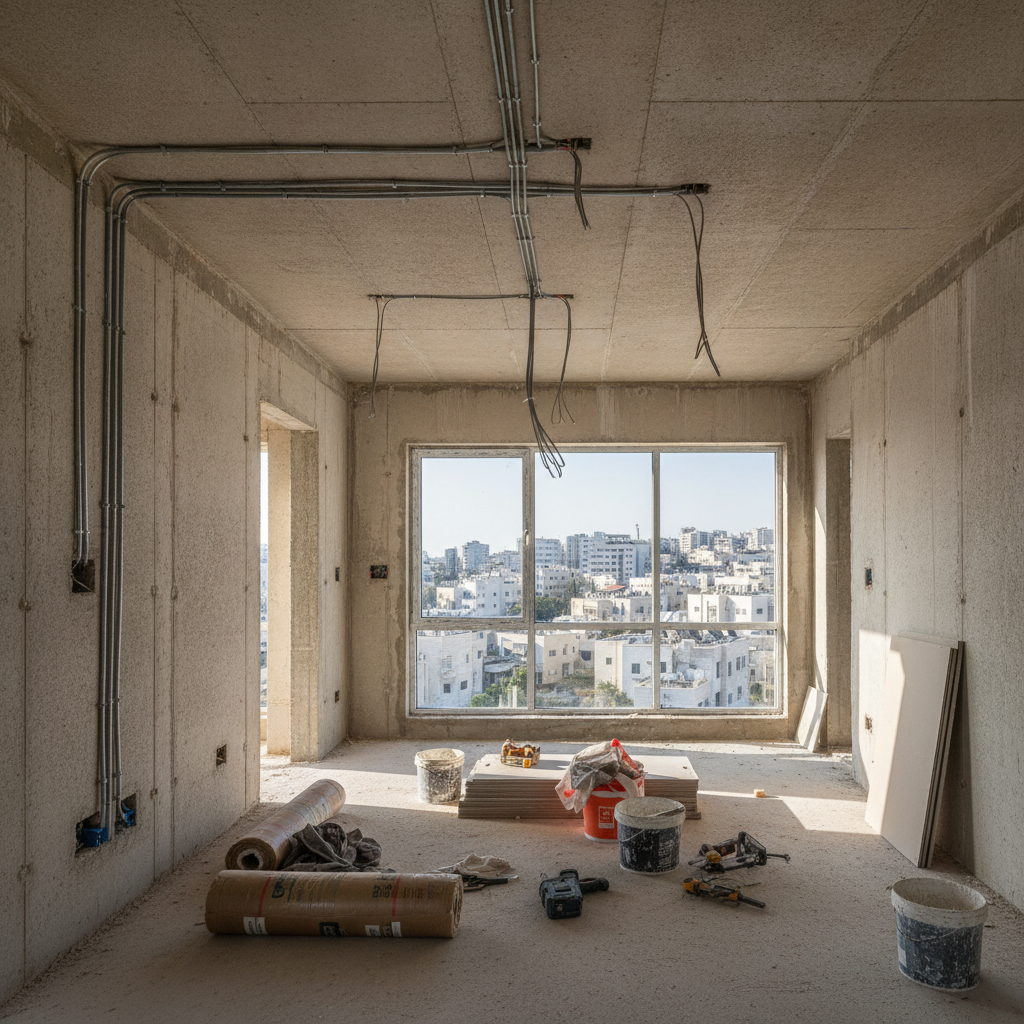
At handover, an architect or engineer inspects the property, draws up a list of defects, and checks compliance with the specifications. The law provides guarantee periods for defects, during which the developer must correct them.
In summary
| Step | Protection | Responsible party |
|---|---|---|
| Before signing | project and developer verification | lawyer |
| Signing | negotiated contract, deadlines, penalties | lawyer |
| Payments | guarantee for each installment | lawyer, bank |
| Registration | warning note | lawyer |
| Financing | mashkanta adapted to the payment schedule | broker |
| Delivery | inspection and list of reservations | architect |
Don't forget the total cost: 18% VAT included for new properties, purchase tax depending on your profile, closing costs around 10 to 13%. To learn more, read our guide buying off-plan in Israel.
Warning Signs
There are several signs that should prompt caution before signing: a developer pushing for a quick signature without giving your lawyer time to review, requests for payments without guarantees, a construction site that has been halted for several months, very large discounts without explanation, or the absence of dedicated bank financing for the project. None of these signs is a dealbreaker on its own, but each one justifies further checks.
IsraelStart coordinates the lawyer, broker, and architect for buyers from abroad as well as for Israelis already on site, and selects developers from over 300 new projects throughout Israel. A personalized assessment, with no obligation, allows you to buy off-plan with peace of mind.
Sources
- Globes, Tel Aviv luxury tower half sold and disputes between developers and construction company (20 and 24/09/2026).
- Globes, developers renting out their unsold units (22/09/2026).
Figures and decisions reported by the Israeli financial press, reworded and put into perspective by the IsraelStart editorial team. Indicative information, to be confirmed with a lawyer, broker, and expert before making any decisions.
Need personalized support?
An IsraelStart expert will call you within 24h with a personalized analysis of your project.