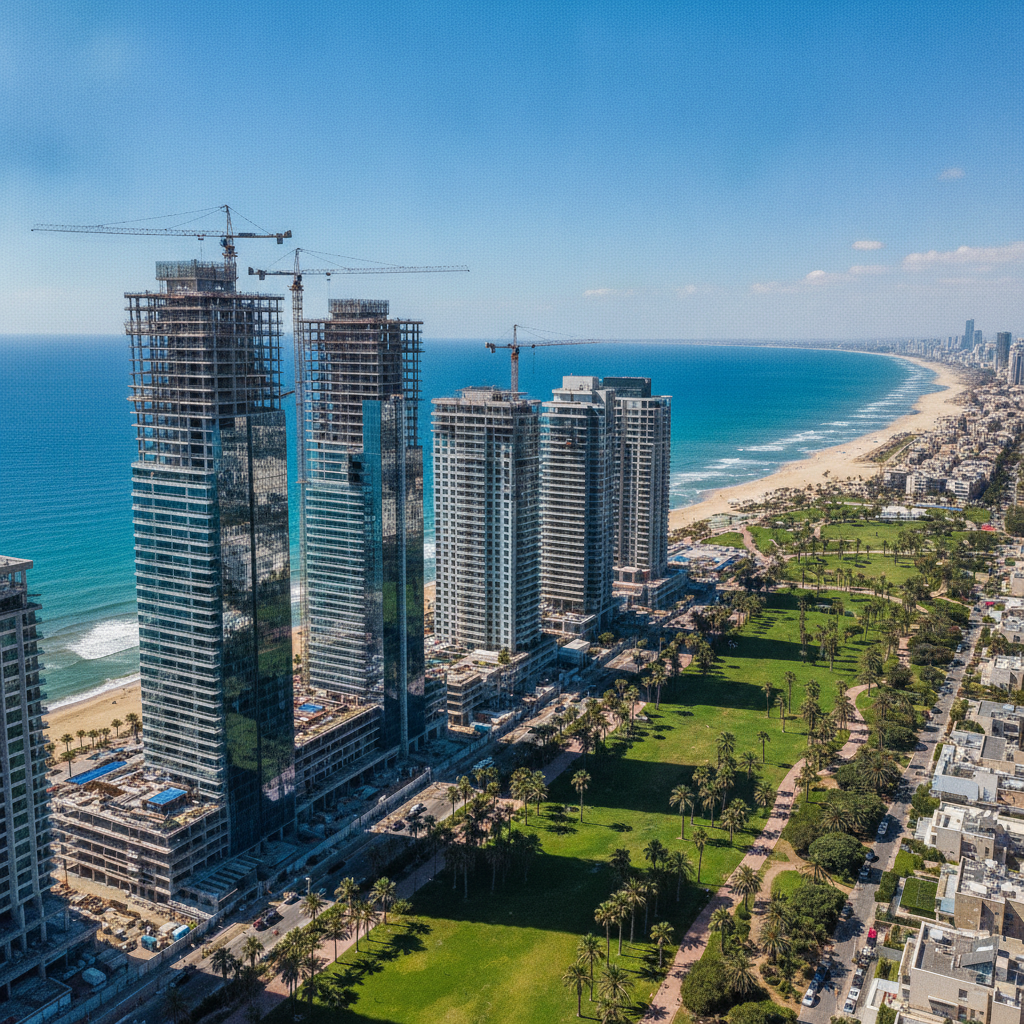
Tel Aviv: Sde Dov, Northwest, Jaffa… the Major Projects That Will Reshape the City
Beyond the price figures, Tel Aviv is preparing tens of thousands of additional homes in new districts. An overview of the areas that will shape the new-build supply over the next ten years.
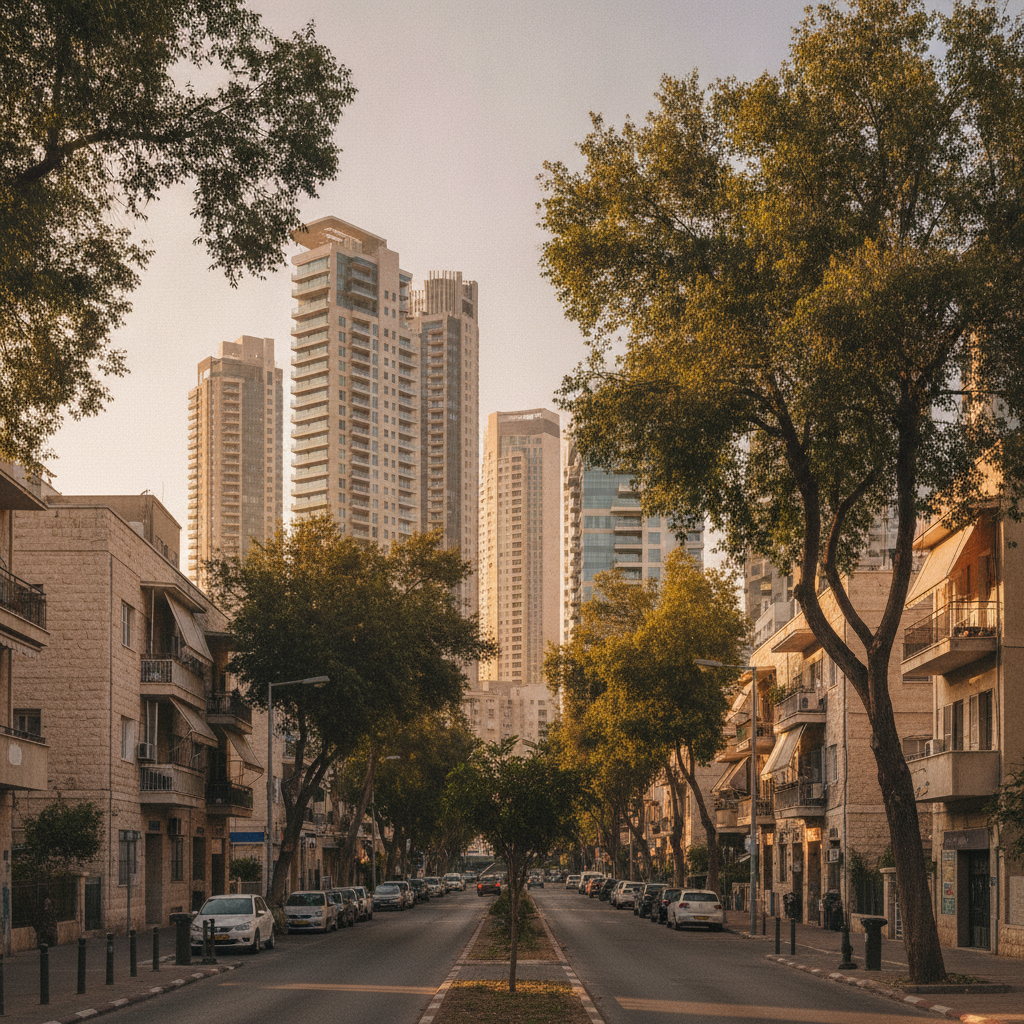
Tel Aviv's real estate projects aren't just about the downtown towers. The city is gearing up for several new neighborhoods, set to add tens of thousands of housing units over the next decade. This week, Merkaz HaNadlan published a Tel Aviv profile, drawing on Madlan data, which inventories these upcoming areas. Here's what you need to know if you're thinking about purchasing property in Tel Aviv, whether you're coming from within Israel or from abroad.
The Tel Aviv Market in Figures
Madlan's figures for the first half of 2026 complement those from the Central Bureau of Statistics:
| Indicator (H1 2026 vs H1 2025) | Value |
|---|---|
| Average price per dwelling | -2.79 % |
| Average price per m² | +0.70 % |
| Recorded transactions | 571 vs 2,105 |
| Population (June 2025) | 496,881 inhabitants |
These figures diverge from the 6.6% average price increase measured by the CBS over the same period. Why? The sources, scopes, and methodologies simply aren't the same. One common thread is clear: the price per m² holds steady, while the volume of recorded sales has sharply declined. To understand these discrepancies, read how to interpret CBS statistics.
On another note, Tel Aviv has once again become the country's leading city for housing starts over a twelve-month period, with 7,611 dwellings launched. See our ranking.
Sde Dov and the Northern Coastline
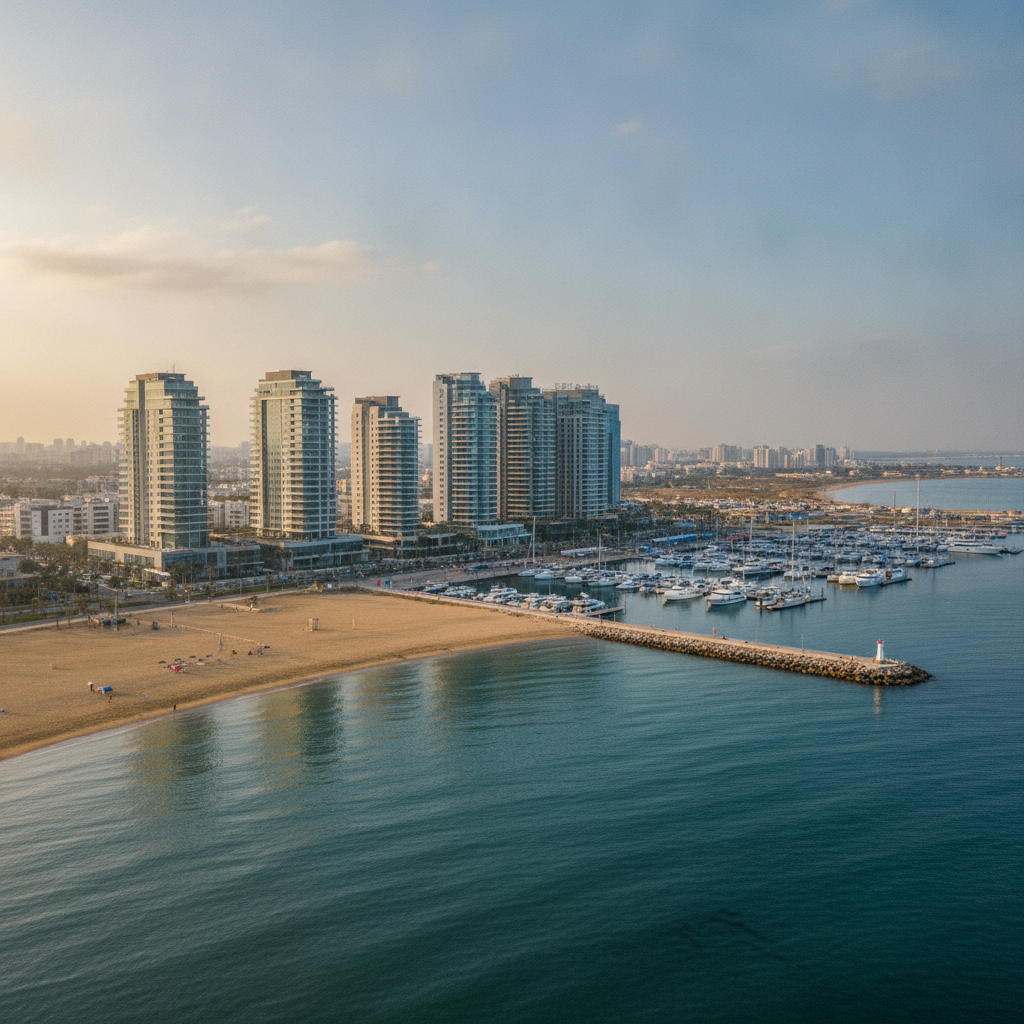
This is the flagship project. Situated on the site of the former airport, in the city's north, it includes:
- Sde Dov Center and North: approximately 12,000 housing units, thousands of hotel rooms, shops, offices, public facilities, and a large park along the sea;
- Ashkol (Sde Dov): around 5,000 housing units, complete with shops and offices;
- Nofei Yam North: an approved plan for about 400 housing units was never realized. The removal of airport-related height restrictions now paves the way for a much denser new project.
The Northwest of the City
- Plan 3700: a vast sector between the coast and Namir Road, currently being planned, with five complexes totaling approximately 12,000 housing units;
- South of Glilot: north of Ramat Aviv Gimmel, part of a plan mostly located in Ramat HaSharon, with thousands of housing units on the Tel Aviv side;
- East Neve Sharet: a planned mixed-use neighborhood, approximately half housing, half employment and facilities.
The South and Jaffa
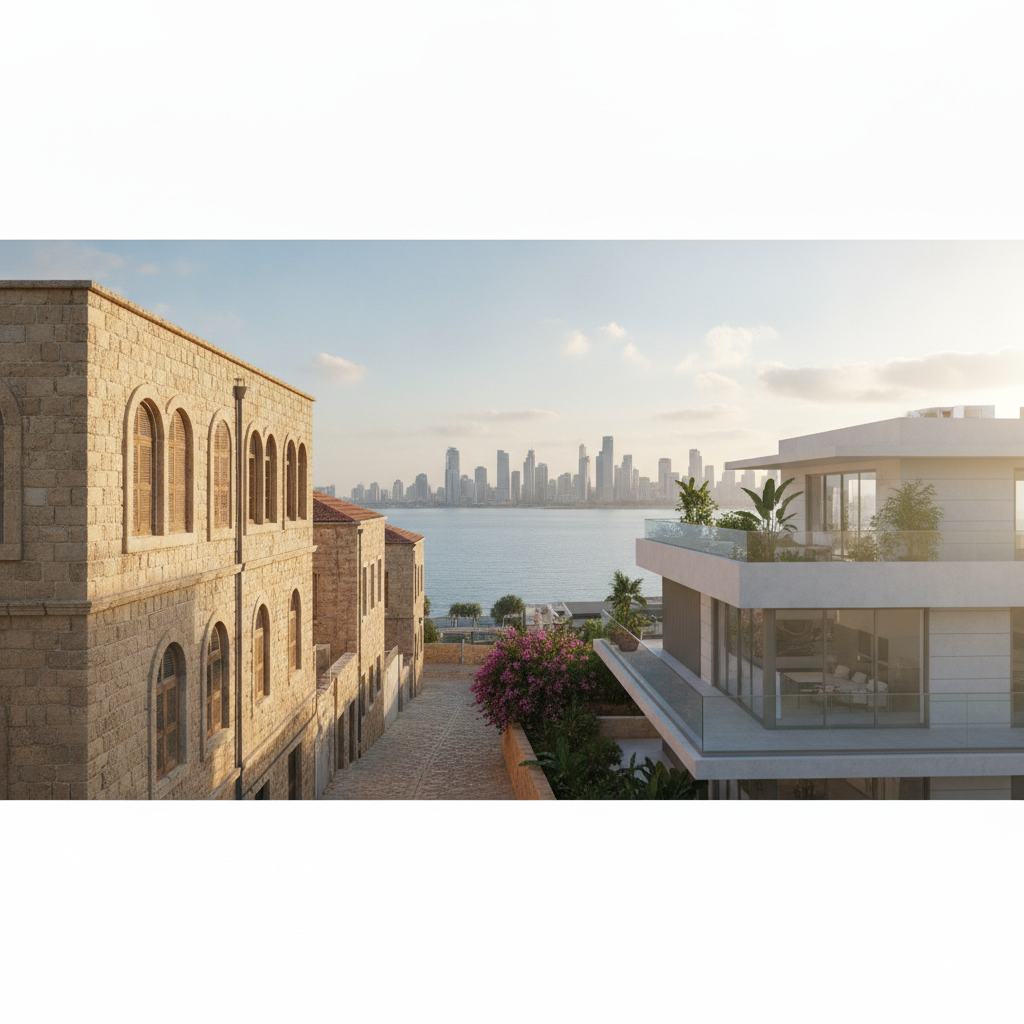
- Menashiya: A new neighborhood southwest of Neve Tzedek, featuring approximately 640 residential units, 750 hotel rooms, amenities, and parks;
- Nes Laguim: Around 1,650 residential units, 400 hotel rooms, and roughly 70,000 m² of commercial and office space;
- Maccabi Jaffa: Approximately 1,500 residential units;
- Northwest Kiryat Shalom: About 650 residential units;
- South Florentin, Noga, Givat Herzl: Gradual transformation of former industrial/craft areas into mixed-use neighborhoods with thousands of residential units;
- Ben Zvi Business Center: A new metropolitan employment hub, complete with a major transportation terminal (metro, train, tram).
East of the City
- Taas HaShalom: approximately 1,200 housing units on the site of a former factory;
- Horodetzky: approximately 800 housing units on a former security site;
- Argazim North: approximately 1,870 housing units in seven towers ranging from 22 to 33 stories;
- Ayalon East Front: extension of the business district between Derech HaShalom and Arvei Nahal, with thousands of housing units.
This sector is home to Bitzaron, one of the city's still-affordable neighborhoods: see our guide.
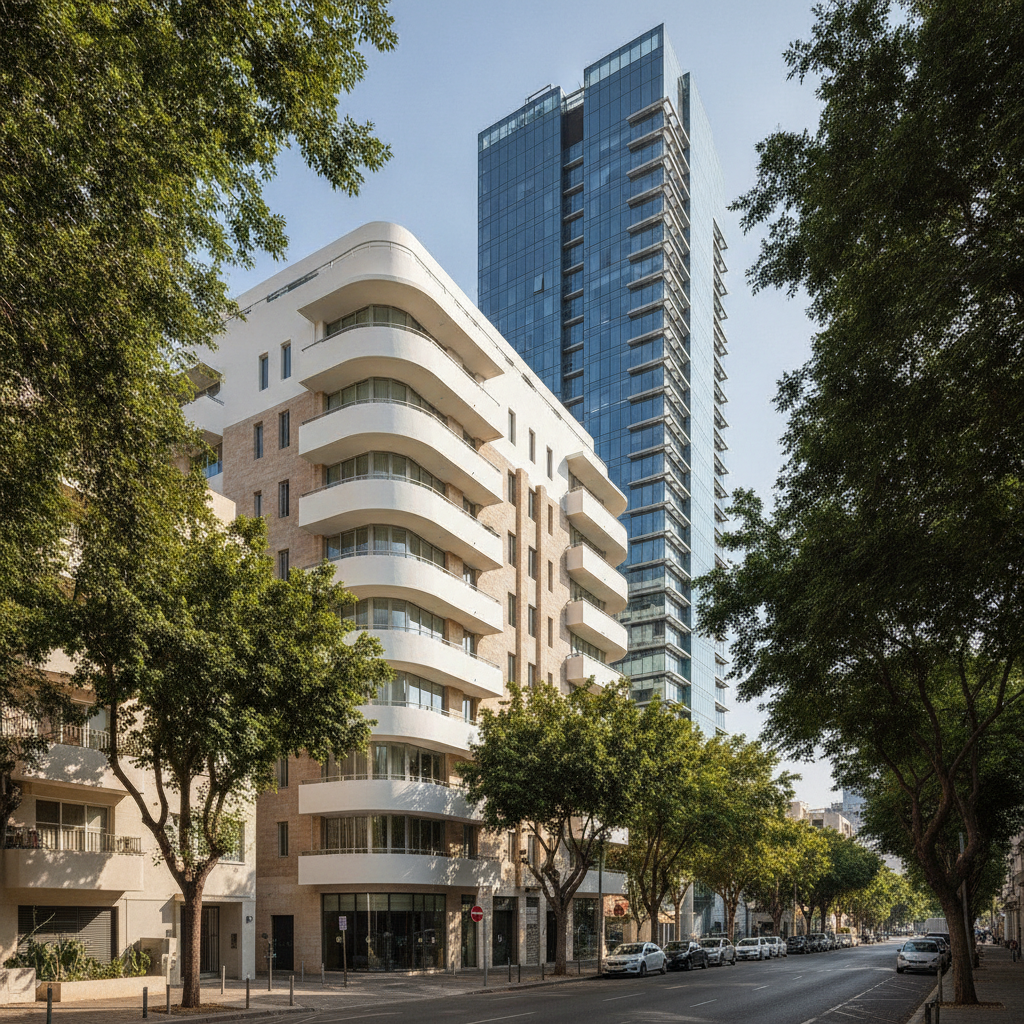
Finally, urban renewal remains very active in the Old North, New North, and city center, with several hundred projects per sector. Over one year, the city issued permits for approximately 199 demolition-reconstruction projects of the Tama 38/2 type and 52 reinforcement-addition projects.
How to Buy in a New Neighborhood
1. Check the Development Stage: Is the plan approved? Has the permit been issued? Have construction works begun? New neighborhoods often take over a decade to fully develop.
2. Review the Amenities Schedule: When will schools, shops, and public transport be ready? Early residents often find themselves living on a construction site for several years.
3. Compare with Existing Properties: The price per square meter for a new project should be justifiable when compared to neighboring areas.
4. Secure Your Off-Plan Purchase: Ensure guarantees for each payment, clear delivery clauses, and penalties for delays. See buying off-plan in Israel.
5. Anticipate the Full Cost: Factor in the 18% VAT included in new builds, acquisition tax based on your profile, and closing costs typically ranging from 10% to 13%.
IsraelStart monitors these new neighborhoods and supports buyers, whether they're relocating from abroad or are Israelis already living here. We connect you with an attorney, a broker, and an architect, offering access to over 300 new projects across Israel. A personalized assessment, with no obligation, helps pinpoint the right area in Tel Aviv for you.
Sources
- Merkaz HaNadlan, Tel Aviv profile and neighborhood index, based on Madlan (22/09/2026).
- Merkaz HaNadlan, housing starts by city based on CBS (17/09/2026).
Figures and decisions reported by the Israeli economic press, rephrased and contextualized by the IsraelStart editorial team. This information is indicative and should be verified with a lawyer, a broker, and an expert before making any decisions.
Need personalized support?
An IsraelStart expert will call you within 24h with a personalized analysis of your project.