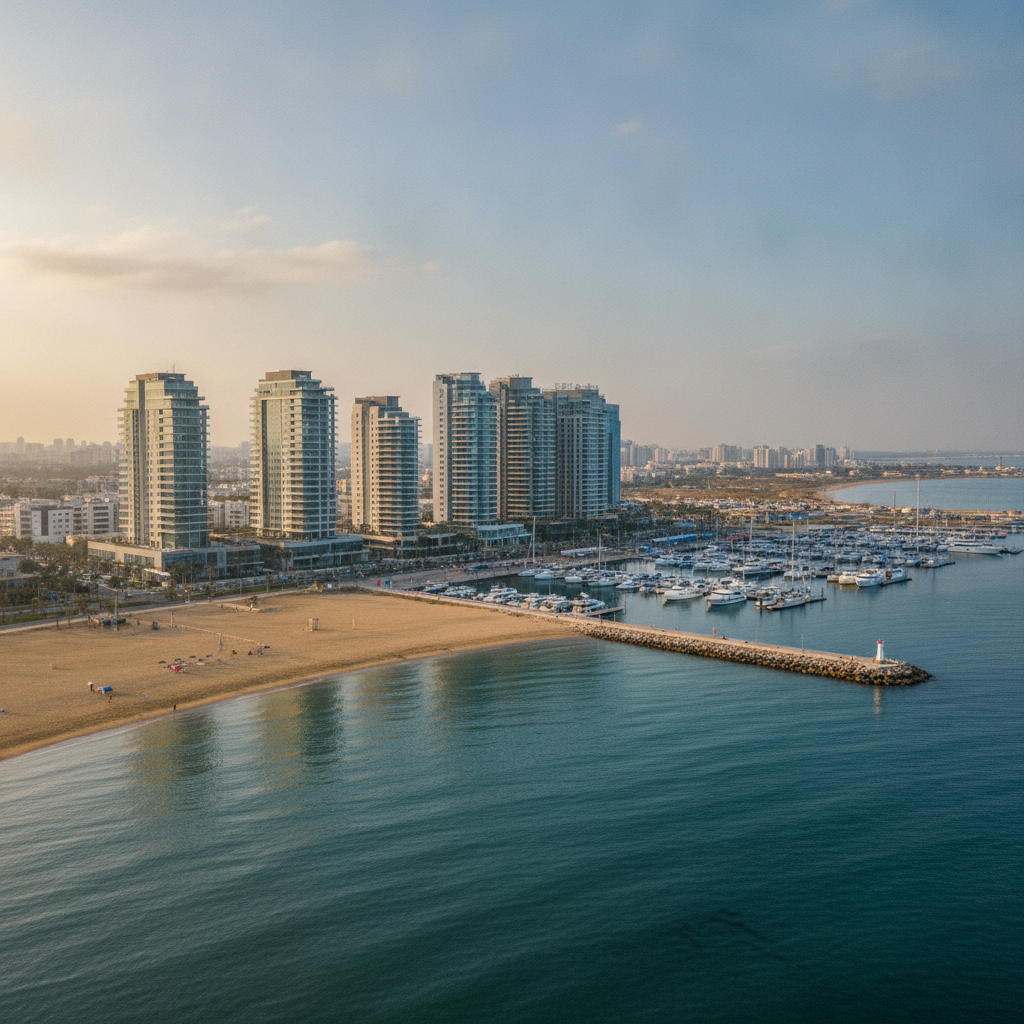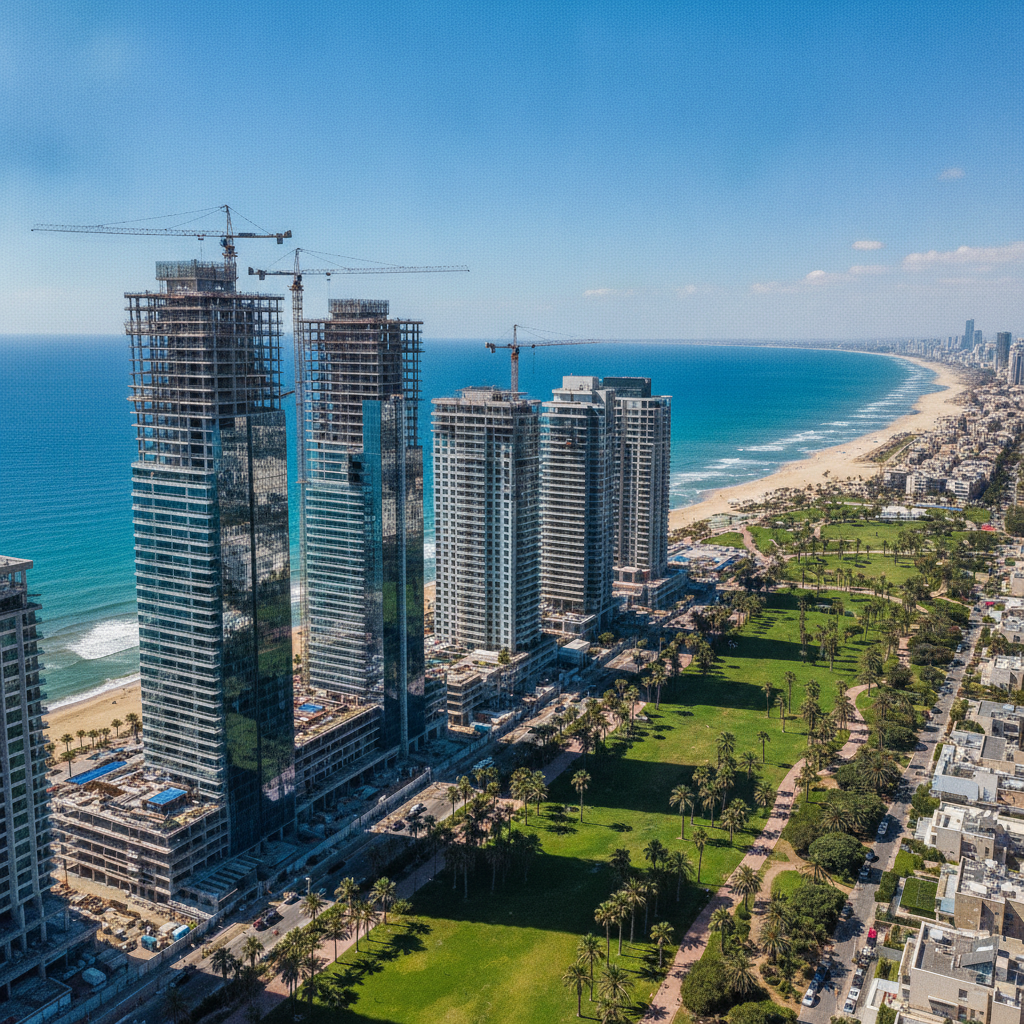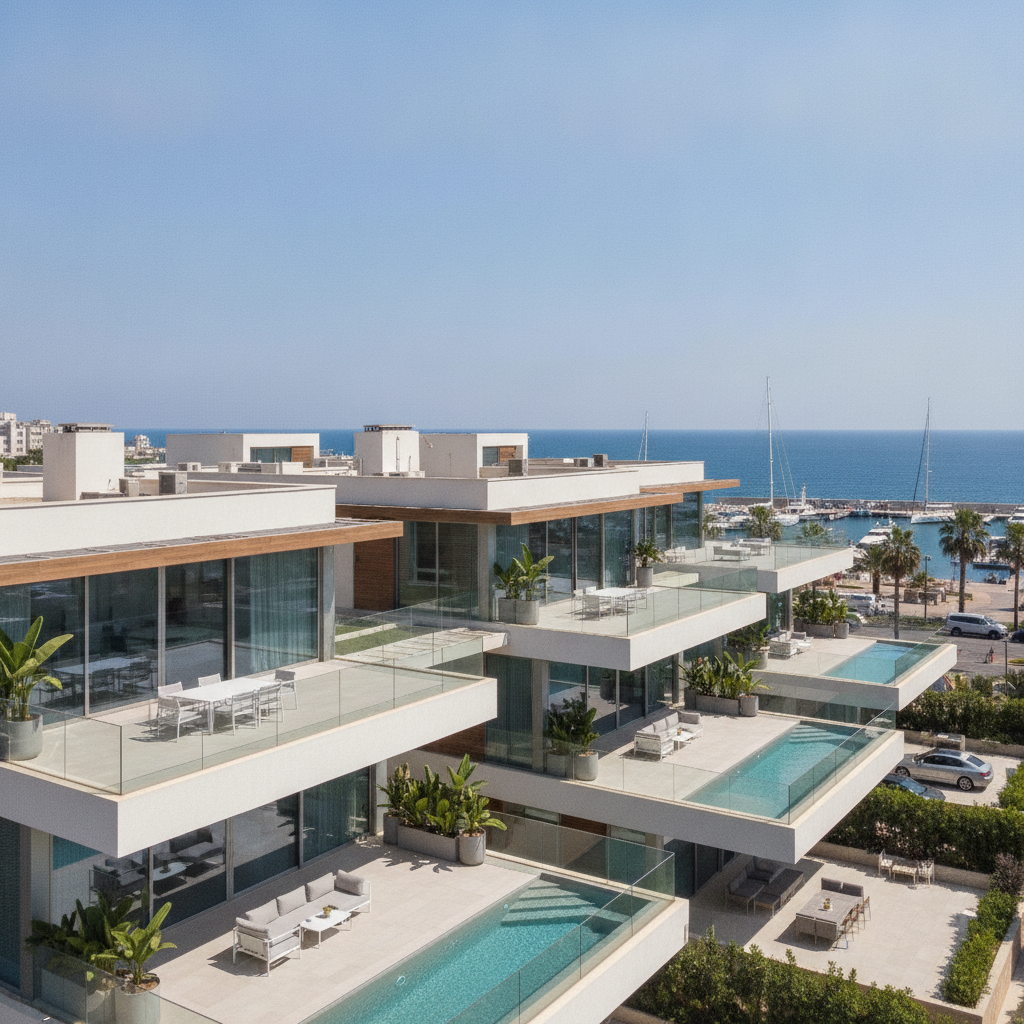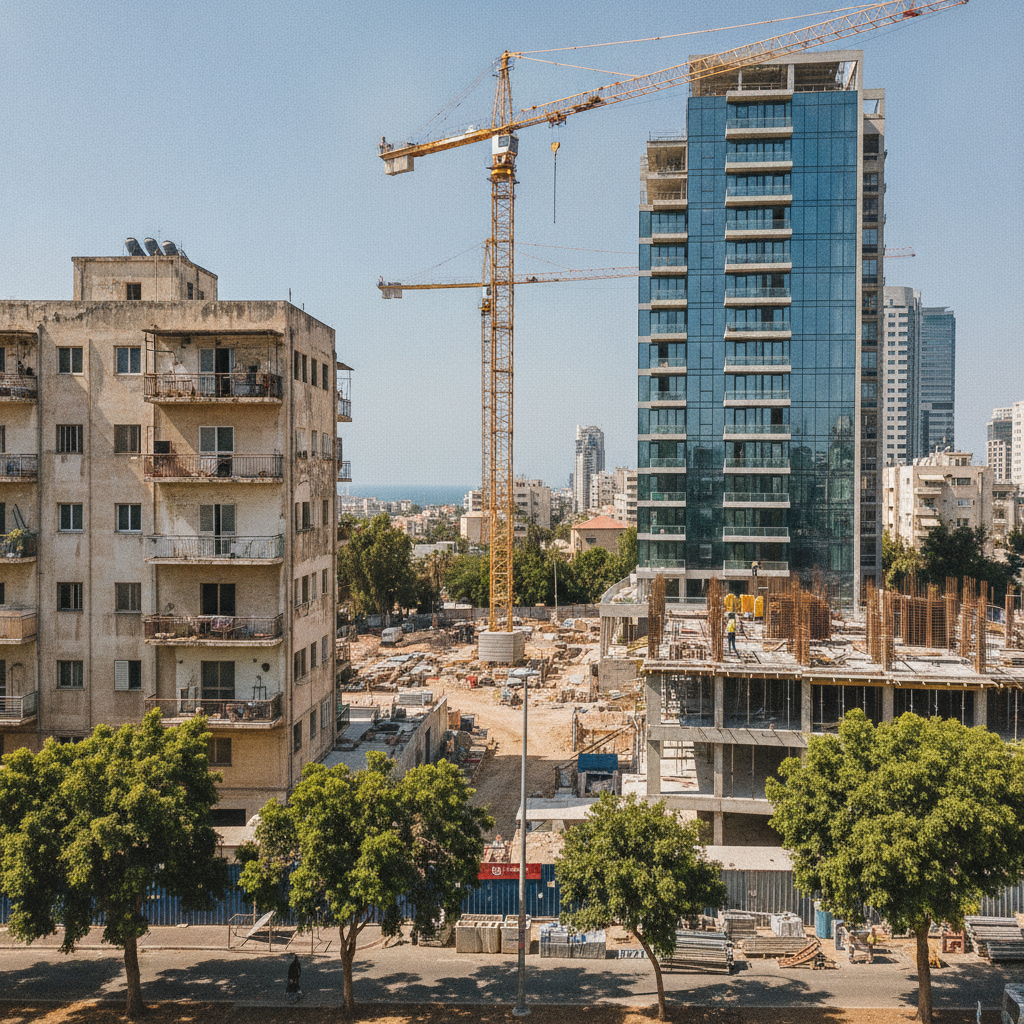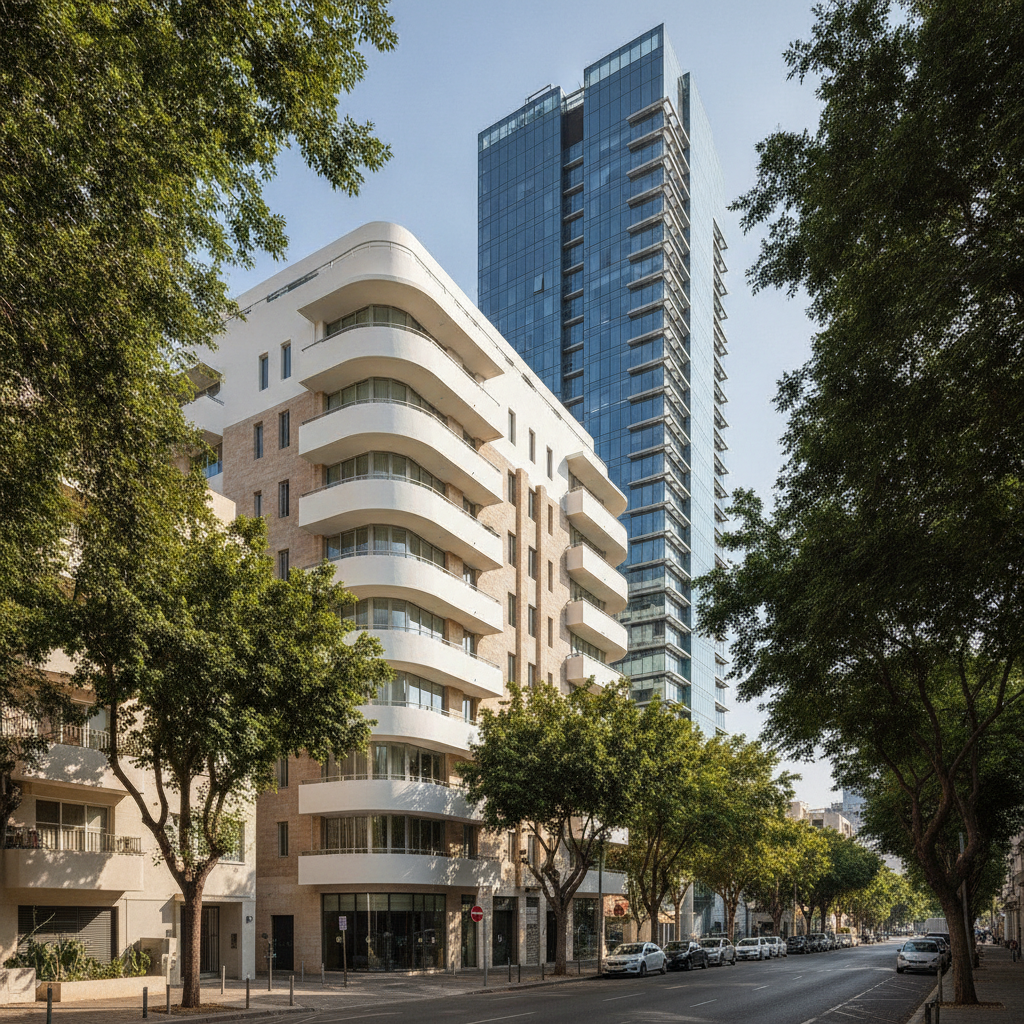
Real Estate in Tel Aviv: +6.6% in One Year, Why Prices Are Still Rising in 2026
With an average price of ₪4.45 million in the first half of 2026, Tel Aviv is widening the gap with the rest of the country. A rise driven by a few highly sought-after areas and by high-end construction.
Real Estate Prices in Tel Aviv Continue to Rise in 2026
In the first half of the year, the average transaction price reached about 4.45 million shekels, compared to 4.18 million a year earlier: +6.6%. This is the highest increase among the 18 major cities analyzed using data from the Central Bureau of Statistics (CBS).
While several neighboring cities are seeing declines, Tel Aviv confirms its unique status. But where does this increase really come from, and what does it mean for a buyer, whether already living in Israel or preparing to purchase from abroad?
Tel Aviv, alone at the top
The gap with the rest of the country is considerable. The average price in Tel Aviv is nearly 1.9 times the national average (2.392M ₪). It exceeds that of Herzliya, second in the ranking, by about 670,000 ₪, and is worth roughly double that of Bat Yam, even though they are neighboring cities.
| Indicator | H1 2025 | H1 2026 |
|---|---|---|
| Average price Tel Aviv | 4.18M ₪ | 4.45M ₪ |
| National average price | 2.303M ₪ | 2.392M ₪ |
| Tel Aviv / national gap | ×1.82 | ×1.86 |
In value terms, the increase represents about 270,000 ₪ in one year for the average price. In other words, the gap between Tel Aviv and the rest of the country continues to widen.
Where the Increase Comes From
A certified real estate expert interviewed by Ynet explains that the rise mainly comes from high-demand areas:
- The city center (districts 3 and 4 according to the municipal division, around the main historical avenues);
- The Old North, sought after for its tree-lined streets, proximity to the beach and Hayarkon Park;
- Sde Dov, the new neighborhood built on the site of the former airport, in the north of the city.
In these sectors, the construction of luxury residences and boutique buildings pushes up the municipal average compared to the rest of the Tel Aviv market. This is a key point: part of the increase is due to a composition effect. When more high-end properties are sold, the average rises even if a standard apartment hasn't increased by 6.6%.
A Return of Buyers
The movement is not just a statistical effect. The co-director of a major new development marketing agency described in Ynet a renewed interest in central Tel Aviv, clear compared to 2025 and even more so compared to 2024. More potential buyers are visiting and moving forward.
Another takeaway from his analysis: about 70% of buyers with whom the agency has signed since the start of the year are purchasing a new home to live in, not as an investment. A market driven by residents is generally more stable than one driven by speculation.
This profile applies both to Israelis changing homes and to families relocating from abroad who are looking for a primary residence in the heart of the city.
Average is not Market Price
Before concluding that "all of Tel Aviv increased by 6.6%", keep three caveats in mind:
1. The mix of properties sold has changed: more luxury in the sample means a higher average.
2. The number of transactions is not weighted in the semi-annual calculation.
3. Developer incentives (assisted financing, discounts, offered options) are not included in CBS data. The real price of an apartment may therefore be lower than the statistics suggest, or higher if the incentive is compensated elsewhere.
To decode these biases, check out our guide how to read CBS real estate statistics.
Buying in Tel Aviv in 2026: Method
A Tel Aviv budget requires discipline. Here are the steps we recommend:
1. Think in sqm and by micro-neighborhood
Two 4-room apartments can differ by over a million shekels depending on the street, floor, view, or delivery date. Compare truly comparable properties.
2. Include all costs
The price of a new home includes 18% VAT. Add to this the purchase tax (Mas Rechisha), which varies based on your profile (sole residence, foreign resident, investor), and closing costs of around 10 to 13%. Make an initial estimate with our taxes and fees simulator.
3. Secure financing early
In Tel Aviv, the mortgage (mashkanta) is significant. A broker helps you compare banks and structure the loan tranches. Test your capacity with the financing simulator.
4. Check the project
An independent lawyer reviews the contract, the developer's bank guarantee, and the payment schedule. An architect validates the plans, surfaces, and specifications. These three experts—lawyer, broker, and architect—form the foundation of a safe purchase.
5. Look around too
If Tel Aviv exceeds your budget, Bat Yam, Holon, or Ramat Gan offer alternatives connected by public transport. See our analysis on Bat Yam and on the cities of Gush Dan.
IsraelStart selects relevant new developments from over 300 projects across Israel, in your language, whether you buy from abroad or from within Israel. Start with a personalized assessment, with no obligation.
Sources and Method
- Ynet analysis of Central Bureau of Statistics (CBS) data, published on September 15, 2026.
- Israel Central Bureau of Statistics (CBS) — average transaction prices by city and by number of rooms.
- Bank of Israel — real estate credit volumes (August 2026 data).
The prices for the first half of the year are an arithmetic average of the first two quarters, compared to the same calculation for 2025. The number of transactions is not weighted: a small volume of sales can significantly affect a city's average. Indicative figures, to be cross-checked project by project before any decision.
Need personalized support?
An IsraelStart expert will call you within 24h with a personalized analysis of your project.