Tel Aviv Reintroduces Building Exemptions: What Changes for Projects and Buyers
Abolished nationwide in January 2025, building-relief easements are returning to Tel Aviv-Jaffa, in a regulated form and for a closed list of areas. The stated goal: improving project design. The fear among professionals: longer delays.
Construction exemptions in Tel Aviv, known as hakalot in Hebrew, are making a comeback. Less than two years after their general abolition by the National Planning Administration, the local commission of Tel Aviv-Jaffa is preparing a plan to reintroduce them in a targeted manner, Globes reveals. This is a technical subject, but one that could significantly impact the design, price, and timeline of many projects.
Here's what's essential for buyers, whether Israeli residents or those purchasing from abroad.
What is a Building Variance?
A hakala allows for deviation from the rules of an already approved urban development plan when applying for a building permit. This may involve:
- Ground footprint (takhsit), which is the portion of the land covered by the building;
- Setbacks from lateral or rear property lines;
- Projecting balconies or the built area on the roof;
- Additional surfaces, in certain cases.
Why Were They Abolished?
Originally intended for specific, isolated cases, these waivers had become the norm. At the peak of this trend, according to Globes, over 80% of permits for projects with more than 20 housing units included waiver requests.
Each request could trigger objections and appeals, significantly delaying permit issuance. Consequently, the urban planning administration initiated their abolition starting in January 2023, with the measure becoming fully effective in January 2025. Limited deviations are still allowed, such as up to 5% of ground coverage or a 10% exceeding of a lateral or rear setback.
What Tel Aviv Envisions
The new initiative, officially named the 'plan for the institutionalization of derogations,' outlines a closed list of existing urban plans where specific exceptions can be granted during the permit application process. The municipality assures that this doesn't alter the fundamental character of neighborhoods; its sole purpose is to achieve improved design.
This plan will only apply to permits issued under the specified existing plans, not to any newer, more detailed urban schemes.
Affected Areas
| Sector | Example of Planned Exemption |
|---|---|
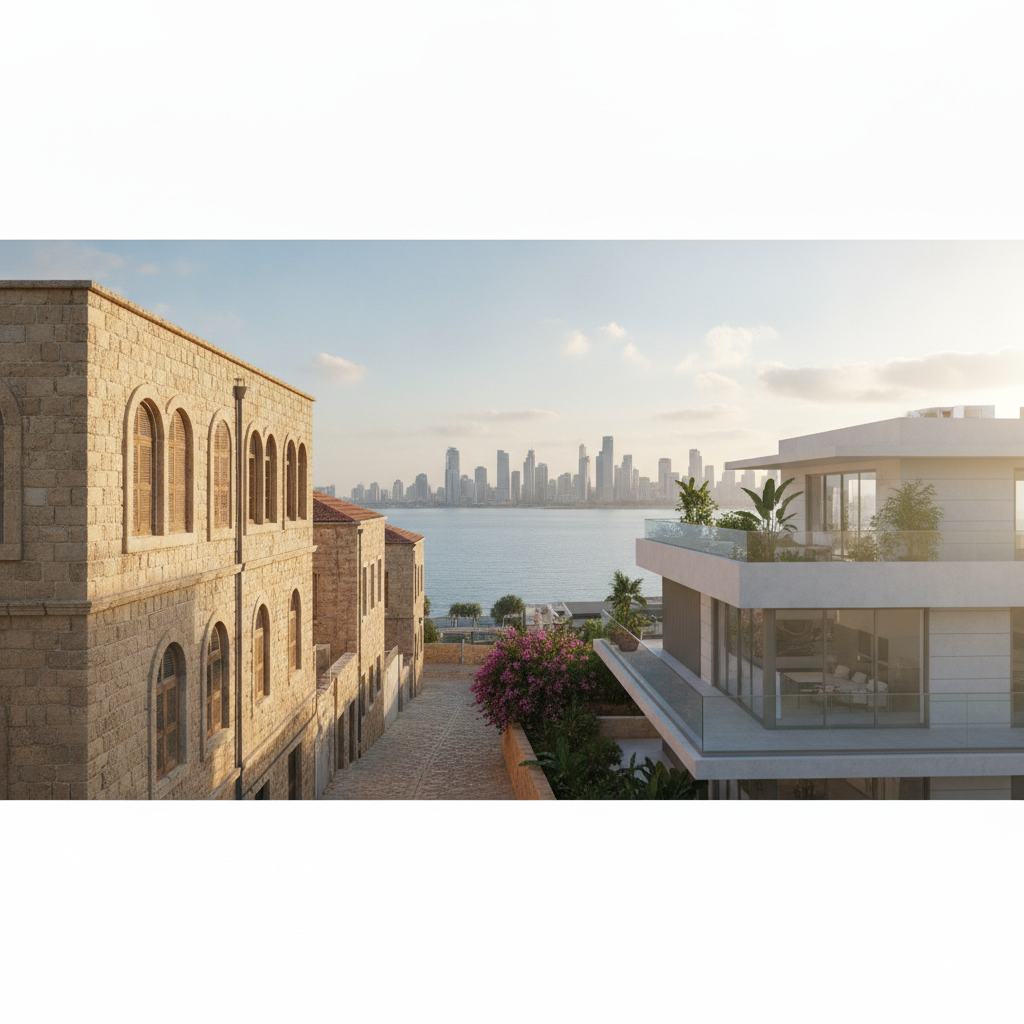
| Historic Jaffa (Clock Tower, Ajami, American Colony…) | ground coverage up to 85% instead of 70%, roof up to 75% instead of 50%, projecting balconies up to 40% |
| Shapira and Kiryat Shalom | up to +6% ground coverage, without additional built area |
| Northern Detached Houses | up to 6% additional built area |
| Neve Tzedek, Kerem HaTeimanim | targeted exemptions according to plans |
| Extensions in Bitzaron, Ramat Israël, Tel Haïm, Yad Eliyahu | targeted exemptions |
| Districts 3 and 4, roof plans, basement plans | very specific and minor exemptions |
Hundreds of housing units, possibly even more, are expected to be affected by these changes.
Debate: Better Design or New Delays
From the municipality's perspective, the goal is to adapt old, still-valid plans to current standards: improved facades, more generous balconies, better-designed housing units.
From the national administration's side, the reaction is measured: the abolition aimed to create certainty and prevent appeals, but a waiver can sometimes resolve a real deadlock. The Tel Aviv plan actually broadens the possibilities for implementing existing plans.
From the professionals' viewpoint, the fear is that the return of waivers will bring back objections, appeals, and thus delays, just like before their abolition.
This debate is part of a broader context of tensions between Tel Aviv and national urban planning authorities, particularly concerning the revision of the city's master plan and densification along the future metro line.
What This Means for a Buyer
For Existing Properties or Urban Renewal
In the affected areas, a building or house could gain potential: more footprint, balconies, or surface area. This can increase the value of certain properties, but the potential must be verified plan by plan, with an architect.
For Off-Plan New Builds
If your project relies on a request for an exemption, the timeline could be extended. Your lawyer should check:
- The permit status (issued, in progress, subject to exemption);
- The contractual delivery dates and late penalties;
- The guarantee covering each payment. See buying off-plan in Israel.
In the Longer Term
Tel Aviv remains the country's most active city for construction. We review its major projects in Tel Aviv's Major Projects, and its prices in our 2026 analysis.
An Open Timeline
The plan still needs to go through its approval process, with the possibility of objections being filed. Its exact scope, sector by sector, will depend on the final version. For a buyer, there's no need to change a purchase decision based solely on this, but it's wise to ask the developer or seller if the project in question falls under one of the listed plans.
IsraelStart supports you in Tel Aviv and beyond, with a lawyer, a broker, and an architect, whether you're buying from abroad or from within Israel. We offer over 300 new projects across the country. A personalized, no-obligation assessment helps ensure your chosen project is on track.
Sources
- Globes, "Construction Exemptions Return to Tel Aviv" (23/09/2026).
Figures and decisions reported by the Israeli economic press, rephrased and put into perspective by the IsraelStart editorial team. This information is indicative and should be validated with a lawyer, a broker, and an expert before making any decisions.
Need personalized support?
An IsraelStart expert will call you within 24h with a personalized analysis of your project.