Plan payments for an off-plan apartment in Israel
Buying a new apartment can involve payments from signing through construction to key handover. This payment schedule calculator shows a possible cash-flow timeline so you can check whether savings and finance will be available at each stage.
List each contractual payment milestone
Begin with the contracted purchase price and write down every instalment: signing, intermediate stages, construction milestones and the balance at delivery. Some developments advertise deferred payment plans, but actual percentages and dates are set by the signed contract. Separate an expected construction date from the date a payment becomes legally due, and ask what happens if building or handover is delayed. Include legal fees and purchase tax in your cash-flow plan because these may fall on different dates. The chart produced by the tool is a scenario for discussion; the contract is the document governing your obligations.
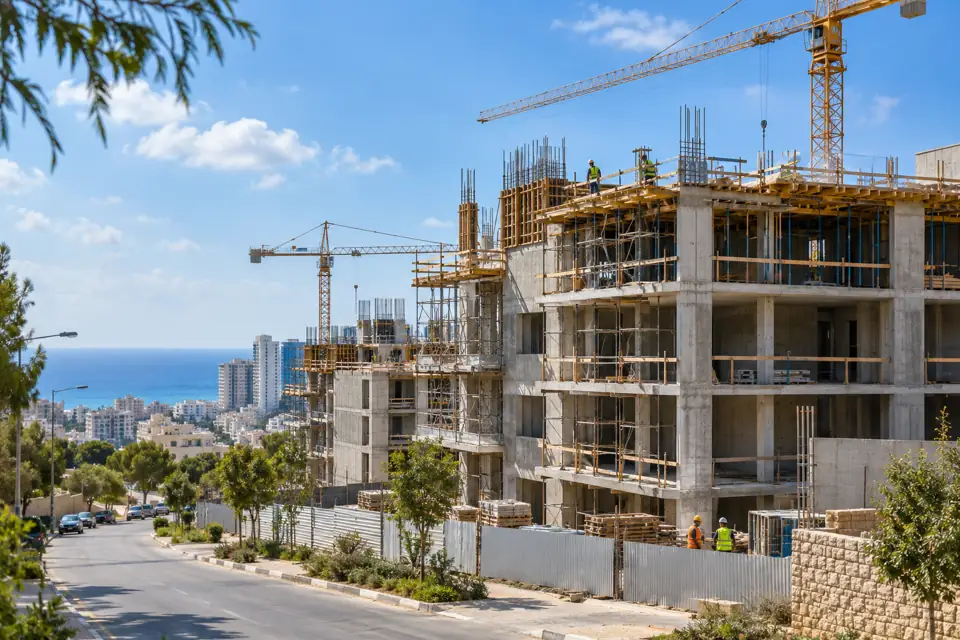
Check how advance payments are protected
For an off-plan home, how you pay and how the money is protected matter as much as the amount. Ask an independent Israeli lawyer to check the protections required by the applicable sales law and the evidence issued for each transfer. Depending on the project, payments may go through designated bank channels and be secured by a bank guarantee or another compliant safeguard. Do not transfer funds solely because a salesperson requests it. Match each instalment with its payment instructions, receipt and promised protection. Keep these documents and ask your lawyer what happens if the developer encounters financial trouble or misses a deadline.

Allow for indexation and mortgage drawdowns
A contract may adjust some outstanding payments by a construction-related index, subject to the law and the specific wording you sign. Ask which portion can change, which index is used and how each adjustment is calculated. In parallel, ask your lender when the mortgage can be drawn and what paperwork must be completed first. The lender's release date needs to fit the developer's due date. If your savings are held in another currency, the exchange rate adds a further uncertainty. Test a less favourable scenario and preserve liquid funds for any shortfall; a small down payment does not remove later obligations.

Prepare for handover and the final balance
Before the final payment, confirm the stage of completion, how the unit matches the plans and which documents are due under your contract. Arrange a pre-handover inspection, record defects and ask how they will be dealt with. Budget for any connection and moving costs you must pay, and for a period when you may have rent and mortgage costs at the same time. Key handover does not automatically finish all legal steps: ask your lawyer about registration of your rights and the records to retain. A projected schedule helps prepare your cash flow but cannot guarantee the actual completion date.

How to use this estimate responsibly
Enter figures that reflect your own situation and leave a reserve for unexpected costs. Then change just one assumption at a time: price, deposit, rate, city or payment dates, depending on the tool. Record the effect on your cash flow and obtain written quotes before committing. Prices, financing terms and tax rules depend on your circumstances and the transaction date. If you are buying from abroad, allow time for money transfers, exchange rates, translated documents and due diligence. This estimate is a way to frame better questions; it is neither a mortgage approval, tailored tax advice nor a property offer. Ask an independent Israeli lawyer to review the contract and confirm the applicable amounts with the relevant authorities. Keep copies of the assumptions and quotes so you can revisit the comparison when the contract, lender's terms or exchange rate changes. Check whether each quote includes insurance, taxes and services or only the property price. When two results look close, favour the option that leaves enough cash to handle a delayed handover, a changing rate or unexpected work without relying on money that has not yet arrived.
Take the contract's real instalment schedule, match each date to a source of cash and documented buyer protection, and ask your lawyer and bank to check the full plan before signing.