New Build Property in Jerusalem: Average Prices & Developments 2026
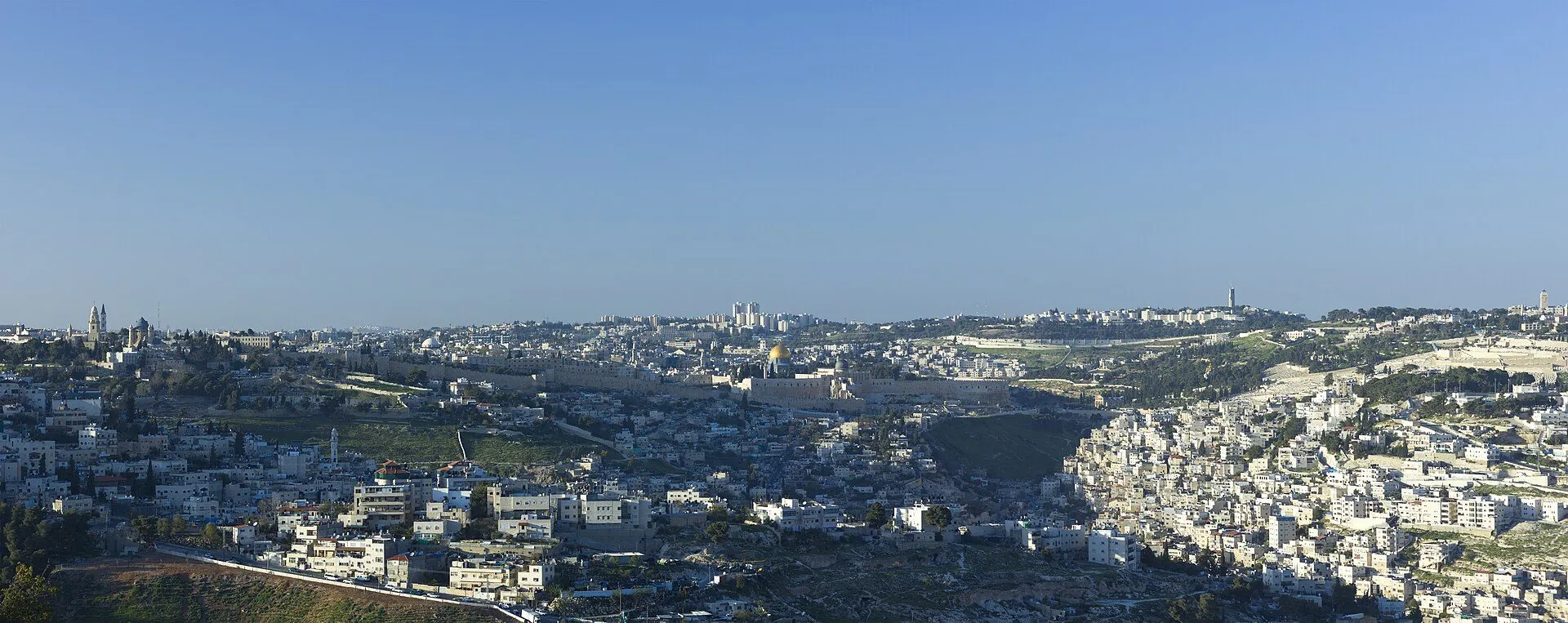
The capital of Israel and holy city of the three monotheistic religions, Jerusalem combines a millennia-old heritage with spectacular modern urban development.
Population: 1,050,153
Why invest in Jerusalem
Jerusalem is far more than a political capital: it is a spiritual, cultural and economic crossroads unique in the world. With 1,050,153 residents according to the Central Bureau of Statistics (CBS, 2024, including East Jerusalem), the city is experiencing sustained demographic growth that feeds structurally strong housing demand. The average transaction price in the first half of 2026 was 3,089,000 ₪, stable compared with the first half of 2025 (source: Ynet, 15 September 2026). The city benefits from massive investment in transport infrastructure, with the extension of the light rail network (Rakevet Kala) now serving residential neighbourhoods in the south and east. The fast Jerusalem–Tel Aviv train, in service since 2018, has cut travel time between the two metropolises to just 28 minutes, making Jerusalem even more attractive for people working in the coastal metropolis. The Hebrew University of Jerusalem, ranked among the top 200 in the world, generates constant student rental demand. The Givat Ram and Mount Scopus campuses host more than 23,000 students. The Talpiot neighbourhood, in full transformation, has become a technology hub with R&D centres and startups. Savvy investors target urban renewal neighbourhoods such as Talpiot, Arnona and the German Colony, where Tama 38 and Pinui Binui programmes create buying opportunities before completion.
Where to buy in Jerusalem. Rehavia, a leafy central neighbourhood close to the city centre, appeals to families and buyers seeking a calm residential setting, with characterful older buildings and occasional new developments. Talpiot, in the south, concentrates urban renewal and new technology hubs: it is the neighbourhood for reconstruction projects and new apartments. Baka, a sought-after residential neighbourhood south of the centre, attracts diaspora families with its houses and low-rise buildings. Katamon, next to Baka, offers a family residential fabric and quiet streets a short walk from the centre. Arnona, in full transformation, combines recent buildings with proximity to Talpiot and the main roads.
Buying in Jerusalem from abroad. Foreign buyers can freely purchase property in Israel, with the support of a specialist lawyer. The process involves verifying the title deed (Tabu), signing a contract overseen by the lawyer, and paying the purchase tax (Mas Rechisha), whose amount depends on the price of the property and the status of the buyer: the IsraelStart legal guide and the tax and fees simulator explain the calculation. For an off-plan purchase, the lawyer checks the developer's guarantees. IsraelStart's personalised search helps target Jerusalem's new developments as well as resale properties, and compare with the neighbouring cities of Beit Shemesh and Modi'in.
New or resale in Jerusalem: IsraelStart lists several new developments in the city and also supports resale purchases, with the resale guide and personalised search. Before deciding, compare prices on the Israel property prices page, estimate your financing with the financing simulator and your budget by city with the budget simulator. For a first purchase from abroad, the 2026 buying guide and the page dedicated to aliyah complete this city guide.
- Constant demand: Holy city of the three religions, residential demand is structurally high.
- Safe-haven value: Historic and spiritual capital, Jerusalem durably attracts diaspora buyers.
- Urban development: Extended light rail, new residential neighbourhoods and growing technology campuses.
- Heritage value: Property in Jerusalem is a long-term heritage asset.
- Student and cultural life: More than 23,000 students at the Hebrew University and a leading cultural scene.
Key advantages
- Exceptional structural demand: Holy city of the three religions, residential and tourist demand is constant. More than 4 million visitors a year.
- Growing economic hubs: The Har Hotzvim technology park, Malha Technology Park and the Talpiot industrial zone employ thousands of skilled professionals.
- World-renowned universities: The Hebrew University (23,000 students) and the Jerusalem Academic College create permanent student rental demand.
- Massive urban development projects: Light rail extension, the new Holyland Park neighbourhood and renovation of the historic city centre, with investments worth billions.
- Quality of life and demographics: A young and growing population, leafy residential neighbourhoods and a rich cultural scene: museums, theatres and festivals.
Infrastructure & Transport
- Light rail (Rakevet Kala): Red line in service, green and blue lines under construction. Serving all major neighbourhoods by 2028.
- Fast Jerusalem–Tel Aviv train: 28 minutes between the two cities. Yitzhak Navon central station connected to the light rail and buses.
- Highways: Route 1 to Tel Aviv, Route 443 and Route 60. A city entrance tunnel easing congestion.
- Airport: Ben Gurion Airport 40 minutes away by fast train. The Atarot domestic airport has been proposed for reopening.
Investment profile
- Diversified rental demand: Students, families, tourists and diplomats: Jerusalem's rental demand rests on varied audiences, limiting vacancy.
- Typical tenants: University students, religious families, expatriates, civil servants and diplomats.
- Capital growth potential: Renewal neighbourhoods such as Talpiot and Arnona, an extended light rail and an average transaction price stable in the first half of 2026 (Ynet).
Neighborhoods of Jerusalem
Rehavia
Talpiot
Baka
Katamon
Arnona
New build or resale in Jerusalem
In Jerusalem, you can compare the new developments listed in our catalogue or entrust us with the search for an existing property. The choice depends on your timeline, overall budget and target neighbourhood.
For resale, we define a brief with you — neighbourhood, number of rooms, mamad, lift, parking, outdoor space — then consult several sources and present an explained selection, with trade-offs and points to confirm.
Search in Jerusalem Buying resale property: the guideFrequently asked questions about Jerusalem
Why invest in Jerusalem in 2026?
Demand is structurally strong thanks to the city's unique status as capital and holy place of the three religions. The average transaction price in the first half of 2026 was 3,089,000 ₪, stable year on year (Ynet, 15 September 2026). The extended light rail and the fast train to Tel Aviv strengthen the appeal of renewal neighbourhoods such as Talpiot and Arnona.
What budget for a new apartment in Jerusalem?
The average transaction price, all properties combined, was 3,089,000 ₪ in the first half of 2026 (Ynet). The budget for a new apartment depends on the neighbourhood, size and finish: use IsraelStart's personalised search for an accurate estimate by development.
Which neighbourhoods do you recommend?
Talpiot and Arnona for urban renewal and new developments, Rehavia and Baka for high-end family living, Katamon for a calm setting close to the centre. The German Colony remains a safe bet.
East Jerusalem: what does it change for a buyer?
The CBS population figure (1,050,153 residents in 2024) includes East Jerusalem. For a buyer, the steps are the same — title verification at the Tabu and support from a lawyer — but some neighbourhoods have specific land statuses: the lawyer checks each property before signing.
How long does an off-plan purchase take in Jerusalem?
There is no standard timeline: it depends on the developer, the progress of construction and permits. The lawyer checks the contractual schedule and the developer's guarantees before signing. IsraelStart's personalised search lets you compare developments by stage of completion.
Similar cities
Discover other nearby cities or in the same price range.
New projects in Jerusalem
- Arnon Vista — Price on request
- Garden Hill Jerusalem — From 2,415,000 ₪ – 5,775,000 ₪ (~645,722 €)
- Arnona Crest — From 2,850,000 ₪ – 4,270,000 ₪ (~762,032 €)
- Garden Heights — Price on request
- Hollyland Grove — From 3,980,000 ₪ (~1,064,171 €)
- Jerusalem Serenity — Price on request
- Heritage View — Price on request
- Jubilee Grove — From 2,600,000 ₪ – 9,700,000 ₪ (~695,187 €)
- Mount Zion Residences — Price on request
- Harmony Heights — From 3,990,000 ₪ – 5,040,000 ₪ (~1,066,845 €)
- Jerusalem Heritage — Price on request
- Jubilee Heights — From 2,750,000 ₪ – 3,990,000 ₪ (~735,294 €)
- Jerusalem Grove — Price on request
- Katamon Gardens — Price on request
- Talpiot Gardens — From 2,995,000 ₪ – 3,970,000 ₪ (~800,802 €)
- Citadel View — Price on request
- Olive Vale — Price on request
- Beit Hakerem Residences — From 3,055,000 ₪ (~816,845 €)
- Heritage Grove — Price on request
- Talpiot Pines — Price on request
- Mexico Living — Price on request
- Tzalah Grove — Price on request