Inflation at 1.1% in Israel: home prices fall again
On 15 November 2026, the Central Bureau of Statistics (CBS) published a consumer price index down 0.1% in October: annual inflation fell to 1.1%, its lowest level since April 2021, while home prices declined by 1.5% year on year.
Annual inflation in Israel fell to 1.1% in October 2026, its lowest level since April 2021, after a 0.1% fall in the consumer price index over the month, according to data published on 15 November by the Central Bureau of Statistics (CBS). At the same time, the home price index fell by 0.2% between August and September and by 1.5% year on year. For anyone looking to buy a home in Israel, the combination is favourable: easing prices, a stock of new homes at a record high and a Bank of Israel rate decision expected on 23 November.
The figures published on 15 November
| Indicator | Value |
|---|---|
| Consumer price index, October | -0.1% month on month |
| Annual inflation | 1.1%, lowest since April 2021 |
| Home price index, August-September | -0.2% |
| Home prices year on year | -1.5% |
| Unsold new homes, end of September | 85,080, or 25.8 months of supply |
| Average transaction price, Q3 | 2,286,700 ₪ |
| Rents on new leases | +5.5% year on year |
| Bank of Israel policy rate | 3.25% (prime rate: 4.75%) |
A record stock that puts buyers in control
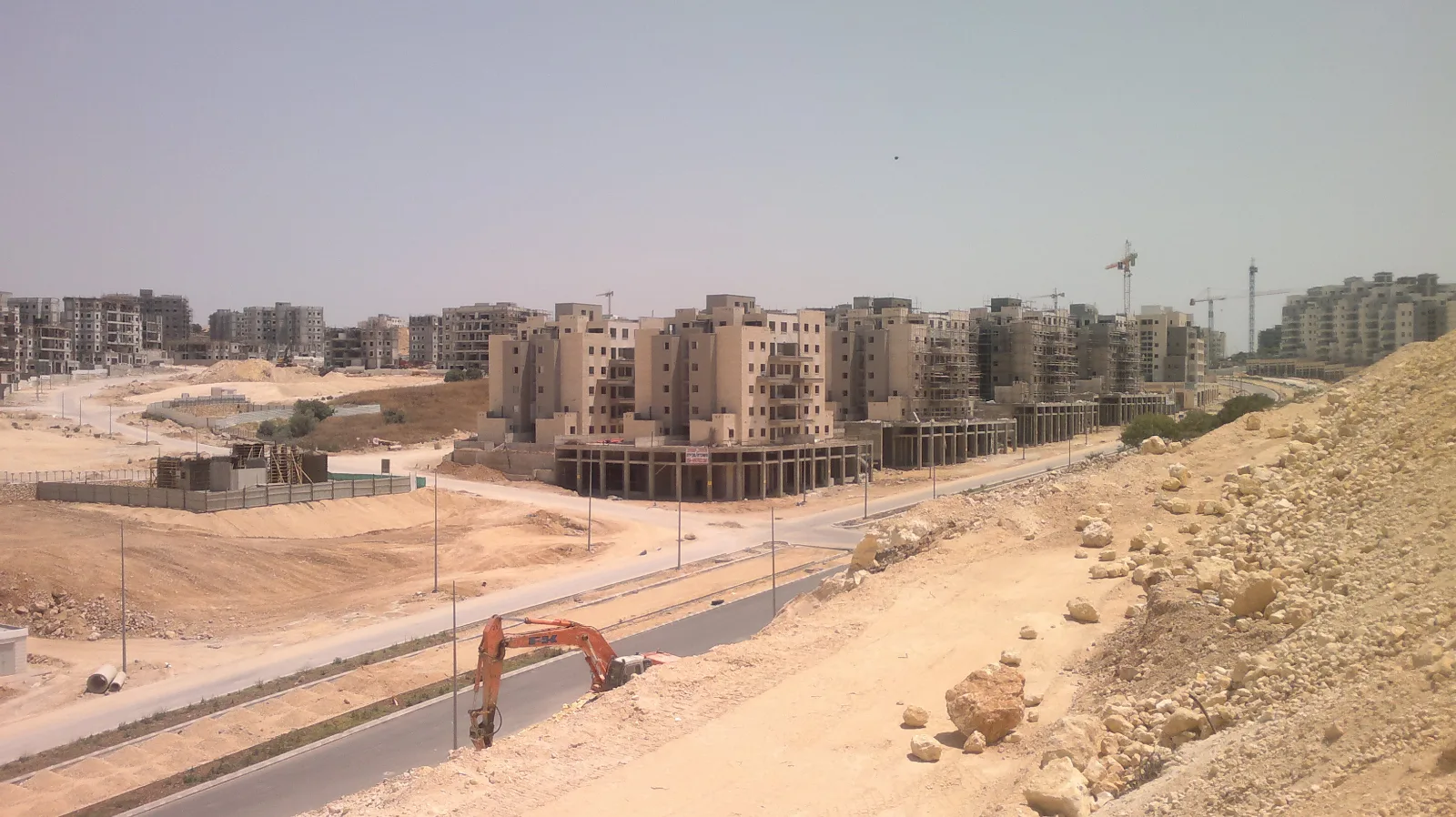
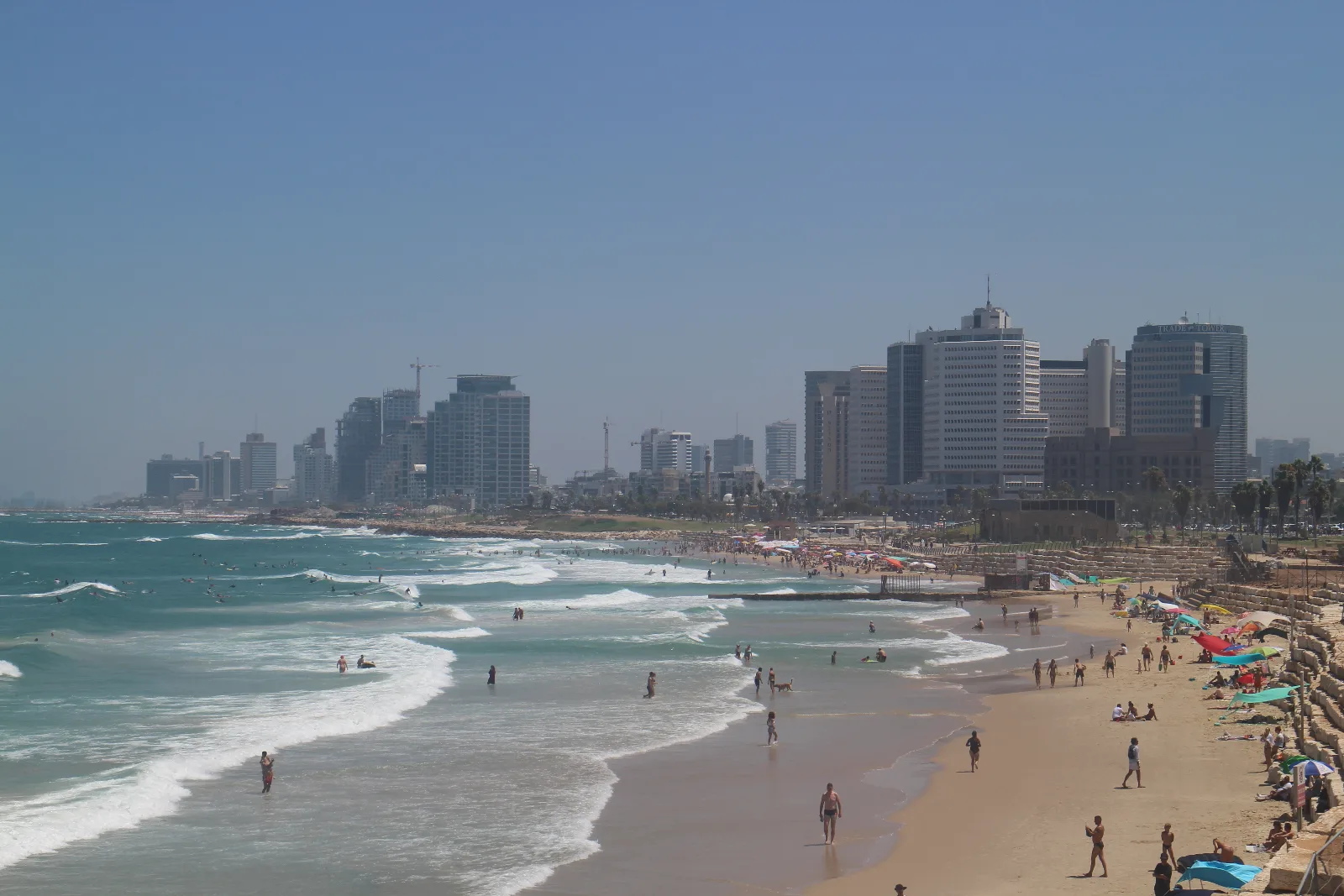
At the end of September, the Central Bureau of Statistics (CBS) counted 85,080 unsold new homes, or 25.8 months of supply at the current pace of sales. Such a level of stock changes negotiation in concrete terms: developers have to persuade, and buyers can compare several developments, discuss payment terms and fittings, and take the time to check the real prices of recent transactions. The average transaction price in Q3 stands at 2,286,700 ₪, with wide differences by city: 4,605,700 ₪ on average in Tel Aviv and 1,275,800 ₪ in Beer Sheva, according to Central Bureau of Statistics (CBS) data reported by Globes. In other words, the same budget does not buy the same home depending on the city — and it is precisely in the gaps between cities that today's opportunities lie.
Haifa, the district rising while the others fall
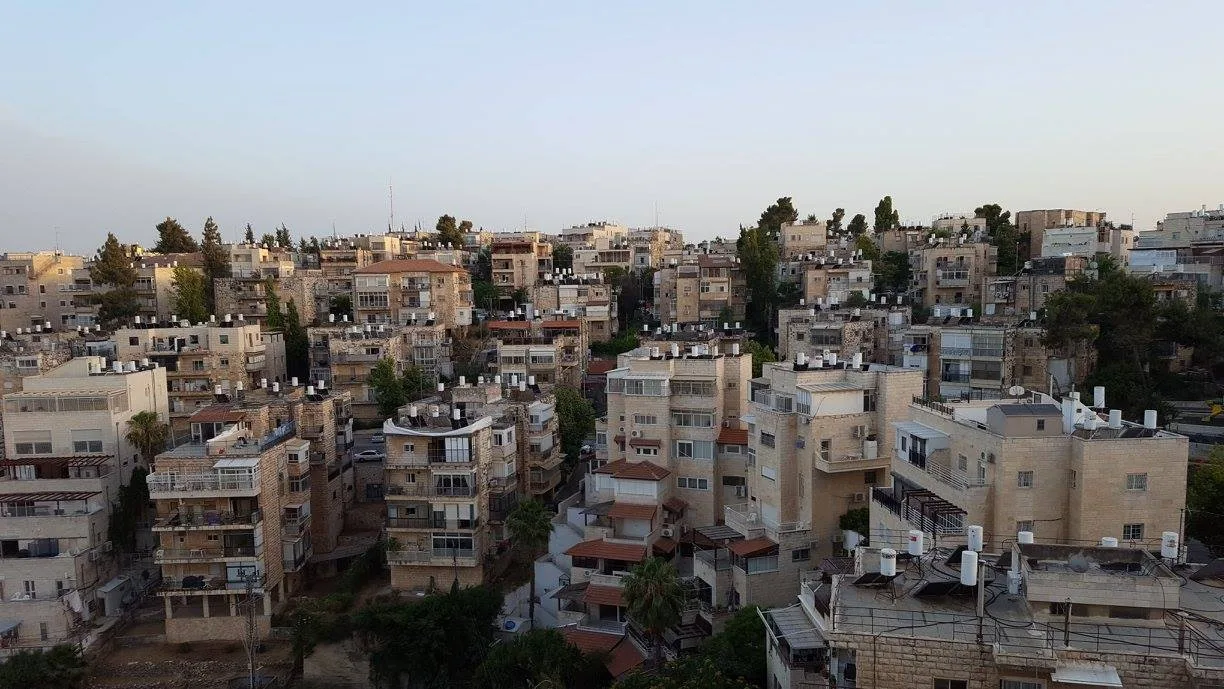
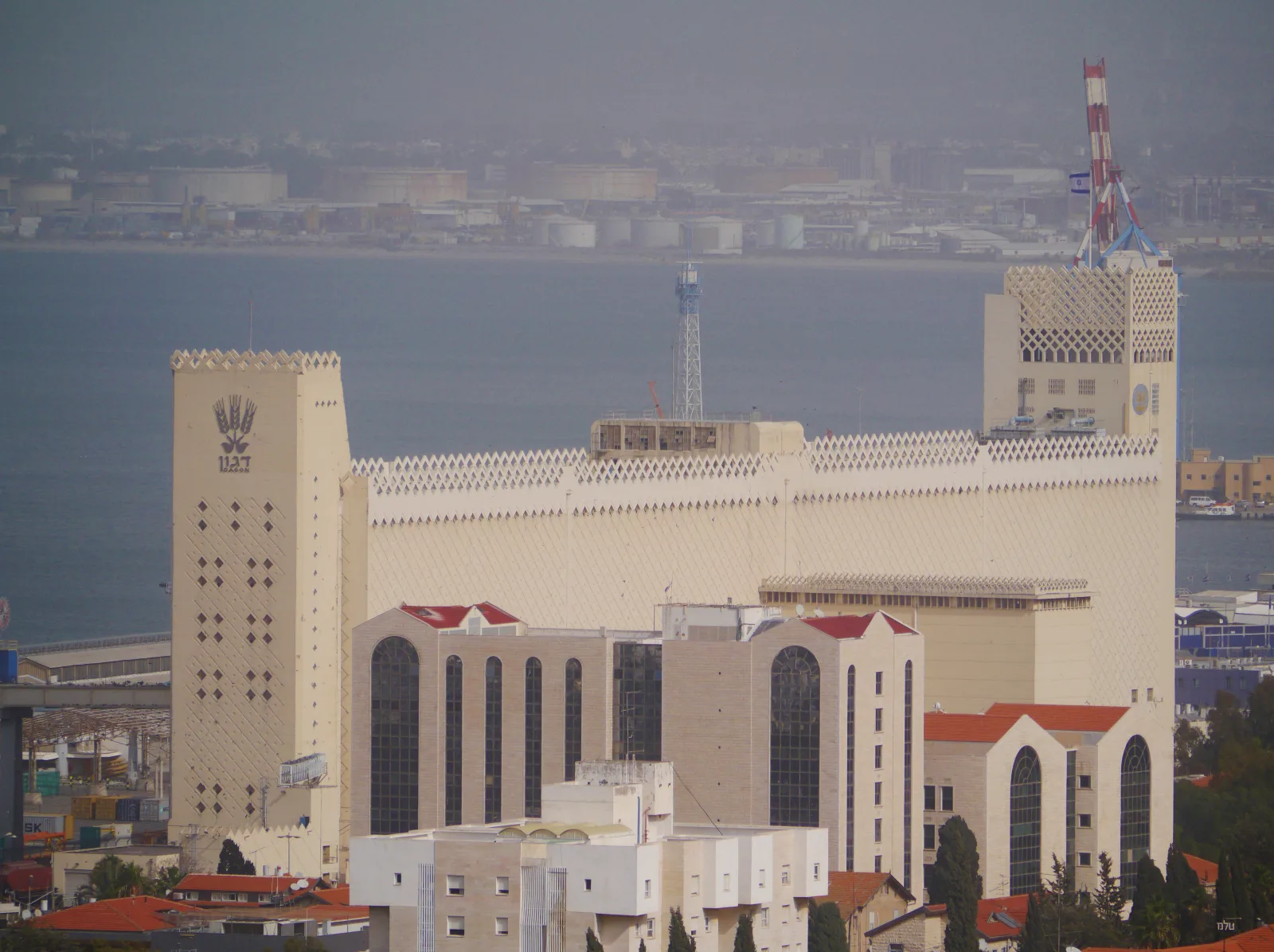
Haifa stands out as the exception: it is the only major district where prices are rising, with +0.8% between August and September and +1% since the start of the year, while Tel Aviv fell by 0.8% over the last two months and by 3.1% since January. For an investor, this signal matters: a district where prices are holding, rents rising (+5.5% for new leases nationwide) and entry prices far below those in the centre of the country. Conversely, the sharpest falls in average annual prices concern Bat Yam (-8.5%), Herzliya (-7.2%), Jerusalem (-5.2%) and Rehovot (-4%), figures that also reflect sales composition effects, distinct from the constant-quality index.
The 23 November meeting at the Bank of Israel
The next Bank of Israel rate decision is expected on 23 November. The policy rate currently stands at 3.25% and the prime rate at 4.75%. With inflation back at 1.1%, at the heart of the price stability target, the central bank has room for manoeuvre it has not had for a long time — without any cut being guaranteed at this stage. For a buyer financing a purchase with a mortgage (mashkanta, a home loan in Hebrew), the stakes are direct: each rate cut lowers the monthly payment or increases borrowing capacity. Average mortgage rates stabilised in November, with non-indexed fixed rates between 4.60% and 4.98% depending on the term. Comparing offers and preparing your file before the decision lets you act quickly if rates move.
Sources
- Source 1
- Source 2
- Source 3