Unsold homes: why Israeli developers rent instead of lowering prices
Rather than slashing prices on their last remaining units, some Israeli developers are renting them out, sometimes for ten years. A strategy to "buy time" that says a lot about the state of the market, and that opens up avenues for buyers.
Unsold new homes in Israel: how developers are adapting
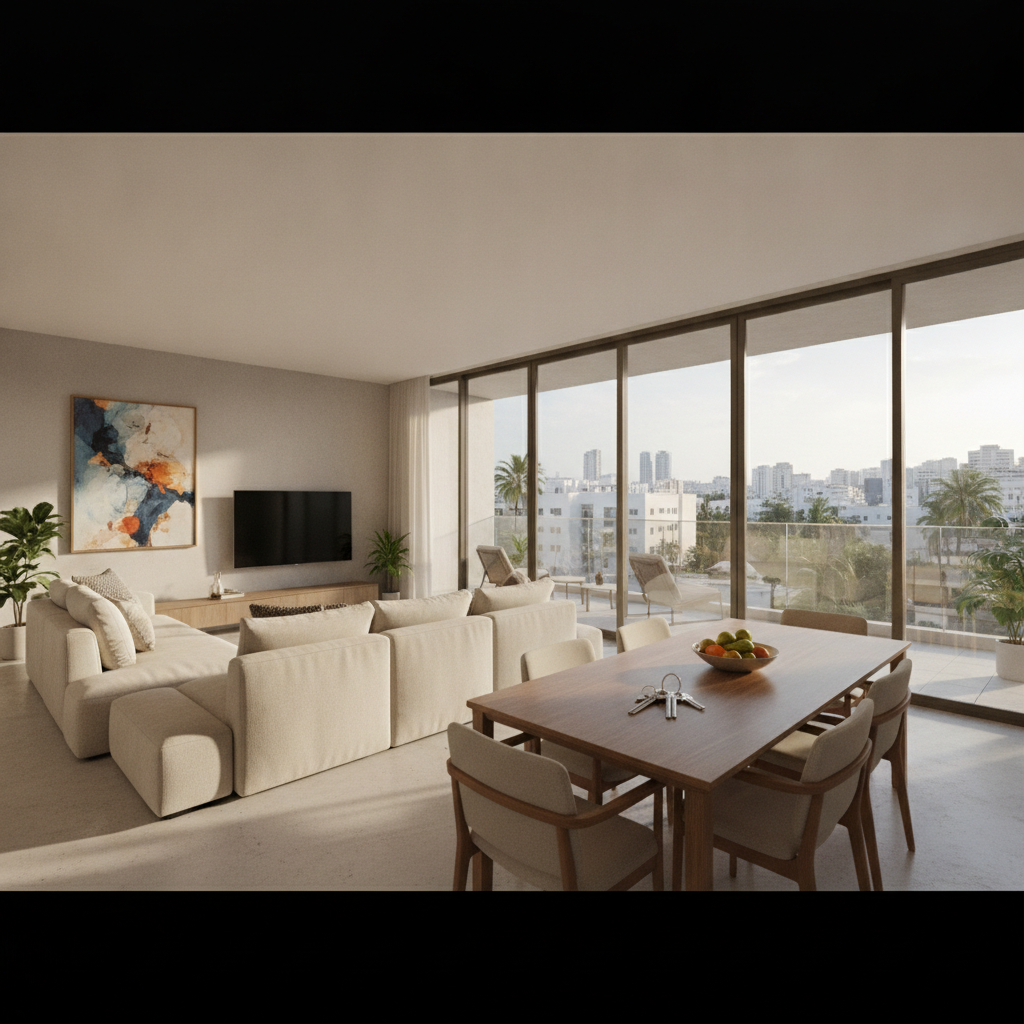
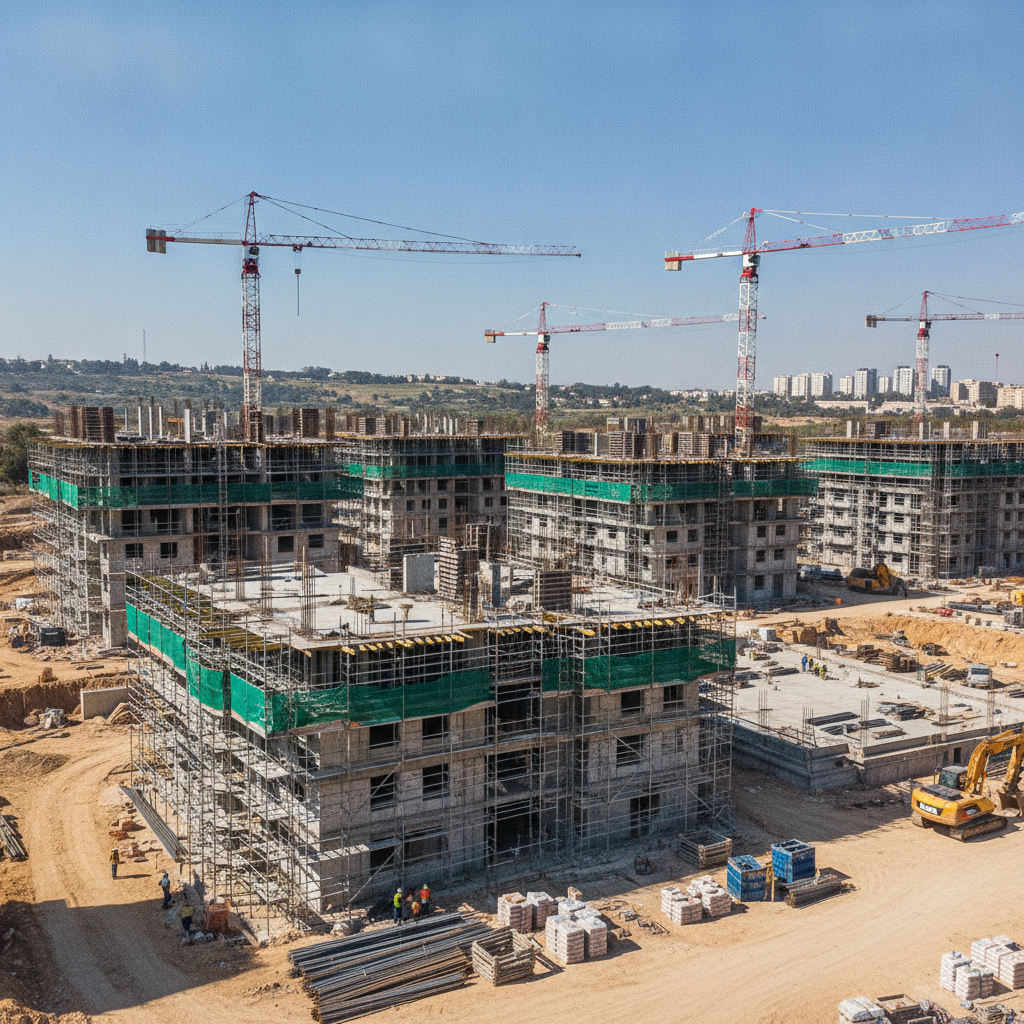
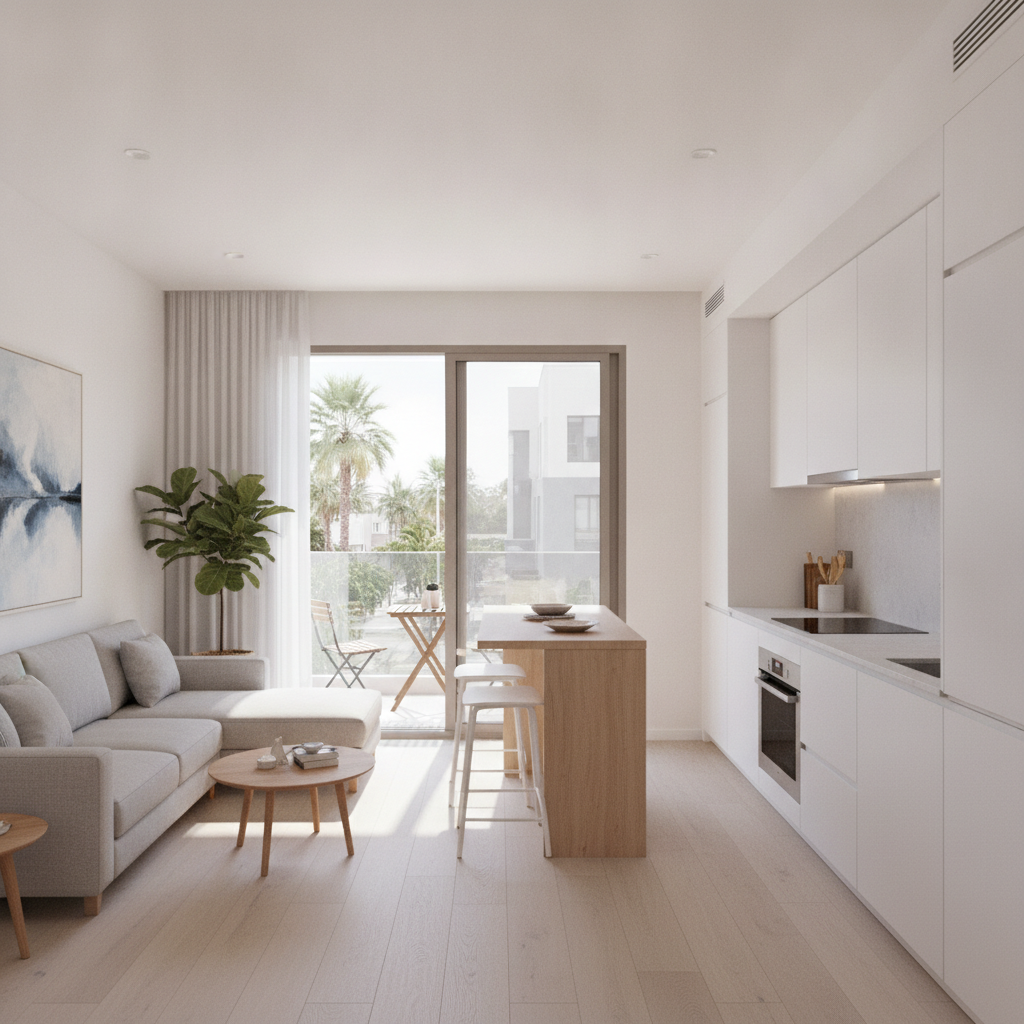
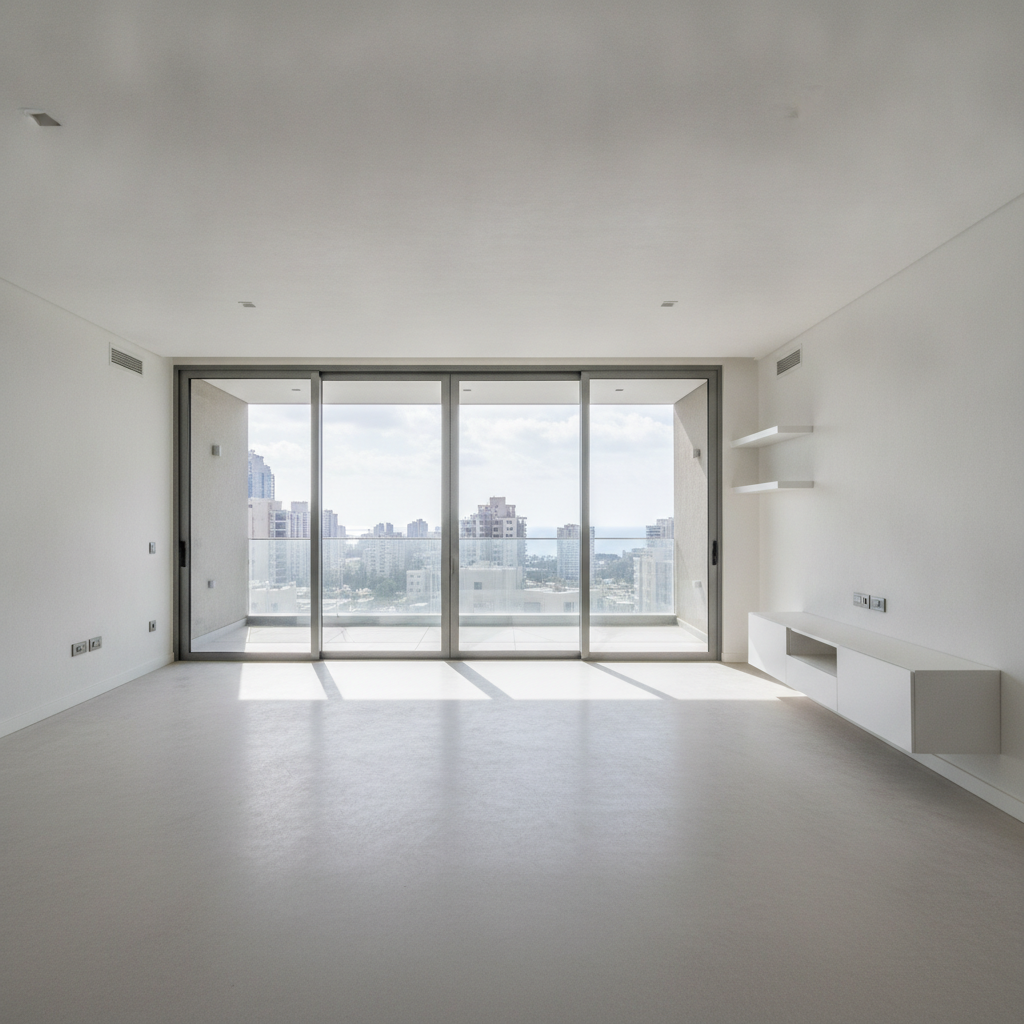
Unsold new homes in Israel are pushing developers to innovate. As the stock of completed homes without buyers increases, some construction companies refuse to lower their prices. Their solution, described by Globes this week: renting out the unsold apartments themselves until the market recovers.
For a buyer, whether living in Israel or planning a project from abroad, this trend is a valuable indicator of the market's condition and the balance of power.
A New Phenomenon
Turning homes originally intended for sale into rental properties is still a relatively recent practice. According to the head of a major real estate data platform interviewed by Globes, this reflects the ongoing weakness of the sales market, while the rental market remains highly competitive.
Two cases illustrate this trend:
- In Modiin, a developer kept about twenty unsold units. Instead of lowering the price, he is renting them out for two years before putting them back on the market.
- In Bat Yam, in a tower of about thirty floors and 113 units, around 78 apartments are being rented out for ten years, as part of the tax incentives provided by the law encouraging investment in rental housing.
Why Rent Instead of Sell
The professionals cited by Globes mention several reasons:
Preserving the List Price
A visible price drop weakens the entire project. Potential buyers wonder how far prices will fall, and those who already bought at a higher price feel disadvantaged.
Protecting the Bank Appraisal
Each construction site is financed by a bank that evaluates the remaining units. Discounted sales could lower this appraisal and complicate financing.
Generating Income
An empty apartment costs money: municipal taxes (arnona), condominium fees, maintenance. Renting it out turns an expense into income.
Detecting Defects Early
A specialized lawyer highlights a lesser-known advantage: when occupied by tenants, apartments reveal potential defects more quickly, while subcontractor warranties are still valid.
Other Options for Developers
Renting is just one response among others to the stock of unsold units:
| Strategy | Advantage for the developer | Trade-off |
|---|---|---|
| Direct price reduction | quick sale | project image and value |
| Financing promotions | displayed price preserved | financial cost for the developer |
| Bulk sale to a rental fund | liquidity and financing closure | significant discount |
| Rent-to-own | engages the client | deferred sale |
| Direct rental | income and time saved | financing not paid off |
The choice mainly depends on the financial strength of the developer: only those who can afford to wait choose renting.
The Limits of the Strategy
As long as the units are not sold, the developer cannot close the project's bank financing or collect their margin. Interest continues to accrue. Renting is therefore a bet on a medium-term recovery in sales.
This context is part of a broader slowdown: housing starts in the second quarter of 2026 have fallen to their lowest level in two years. See construction figures.
What This Means for a Buyer
1. The last units are negotiable. A developer considering renting out due to lack of buyers is, by definition, open to discussion.
2. Look beyond the listed price. Flexible payment schedule, included options, parking or storage: negotiation can cover the entire package. Test your scenarios with the payment schedule simulator.
3. Check the condition of the property. An apartment delivered long ago or already rented should be inspected by an architect or engineer before purchase.
4. Check the legal situation. If neighboring units are rented for ten years, the building will have long-term tenants. Your lawyer should also verify the registration of rights and guarantees.
And for a tenant
Tenants interviewed by Globes describe a standardized lease, organized technical support, and better visibility on rent compared to a private landlord. For a family settling in Israel and wanting to try out a city before buying, this option can be an interesting step. The rental market is also becoming profitable again for investors: see rental yield, the turnaround.
A Signal to Watch in the Coming Months
If renting out unsold units becomes widespread, it will temporarily reduce the supply for sale in certain developments and support listed prices. Conversely, if sales do not pick up, these homes will eventually return to the market, sometimes already occupied or worn. For a buyer, it is therefore useful to ask the developer how many units remain available in the building, how many are rented, and for how long. This information sheds light on the dynamics of the project and your room for negotiation.
IsraelStart identifies, among more than 300 new projects across Israel, the developments where negotiation is possible, and supports you with a lawyer, a broker, and an architect, whether you are buying from abroad or from within Israel. Start with a personalized assessment, with no obligation.
Sources
- Globes, "Developers who rent instead of selling" (09/22/2026).
- Merkaz HaNadlan, construction starts Q2 2026 according to CBS (09/17/2026).
Figures and decisions reported by the Israeli economic press, rephrased and put into perspective by the IsraelStart editorial team. Indicative information, to be confirmed with a lawyer, a broker, and an expert before making any decision.
Need personalized support?
An IsraelStart expert will call you within 24h with a personalized analysis of your project.