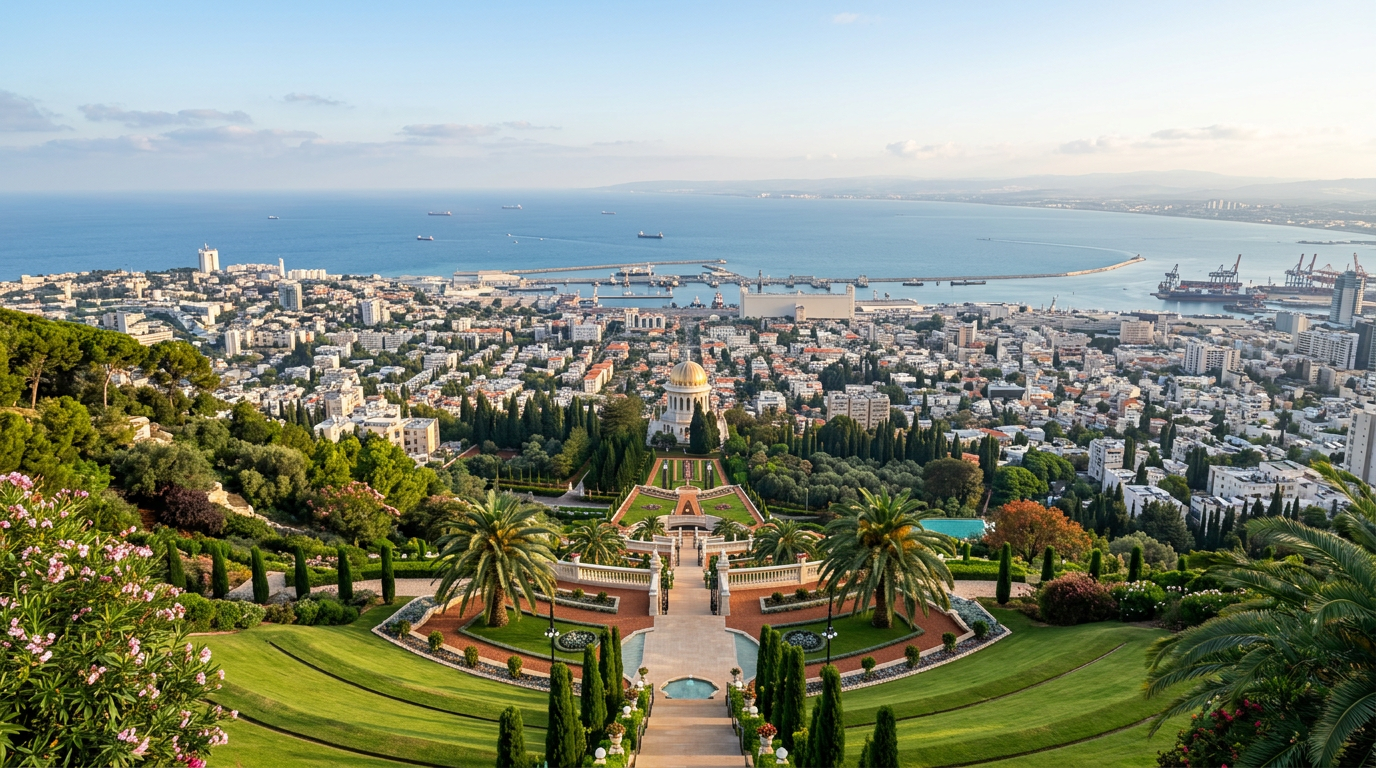
Haifa 2026: Investing in Israel's Mediterranean Tech City
Haifa: Israel's 3rd City in Full Revival
Haifa is Israel's third largest city (285,000 residents, 600,000 in the metropolitan area) and its main Mediterranean port. Long seen as a declining industrial city, Haifa has been experiencing a spectacular revival since 2018, driven by the Technion (Israel’s MIT, ranked in the global top 50), a burgeoning tech ecosystem (Intel, Elbit, start-ups), and ambitious urban projects (waterfront, HaZomet district).
The average price per sqm in Haifa is 16,800₪ — 56% less than Tel Aviv and 21% less than Netanya. With a rental yield of 5.0% to 5.5%, Haifa offers an intermediate investment profile between Beer Sheva (highest yield) and Netanya (yield/lifestyle balance).
The Technion and the Tech Ecosystem
The Technion — Israel Institute of Technology is the driving force behind Haifa's transformation. With 14,000 students, 4 Nobel laureates among its alumni, and cutting-edge research programs in AI, robotics, and nanotechnologies, the Technion attracts talent from around the world. This campus creates a structural rental demand for studios and small apartments.
Haifa's tech ecosystem extends beyond the campus: Matam Park (the largest high-tech park in northern Israel), and the R&D centers of Intel, Microsoft, Yahoo, and Elbit Systems employ thousands of engineers who form a pool of premium tenants.
Neighborhoods: Carmel, Downtown, Hadar
Carmel (₪22,000 – ₪30,000/m²): Haifa’s premium residential neighborhood, perched on the heights of Mount Carmel. Panoramic sea views, abundant greenery, tranquil residential atmosphere. Sought after by families and affluent retirees.
Downtown / Waterfront (₪12,000 – ₪18,000/m²): Undergoing revitalization thanks to port redevelopment projects. Very accessible prices, strong appreciation potential over 5-10 years.
Hadar (₪10,000 – ₪15,000/m²): Popular neighborhood experiencing gradual gentrification. Very low entry points for yield-focused investors. Strong demand from student renters.
| Neighborhood | Price/m² (₪) | Gross Yield | Appreciation Potential |
|---|---|---|---|
| Upper Carmel | 25,000 – 30,000 | 3.5% – 4.2% | Moderate |
| Lower Carmel | 22,000 – 26,000 | 4.0% – 4.8% | Good |
| Center / Waterfront | 14,000 – 18,000 | 5.0% – 5.8% | Strong |
| Hadar | 10,000 – 15,000 | 5.5% – 6.5% | Very strong |
New Developments 2026
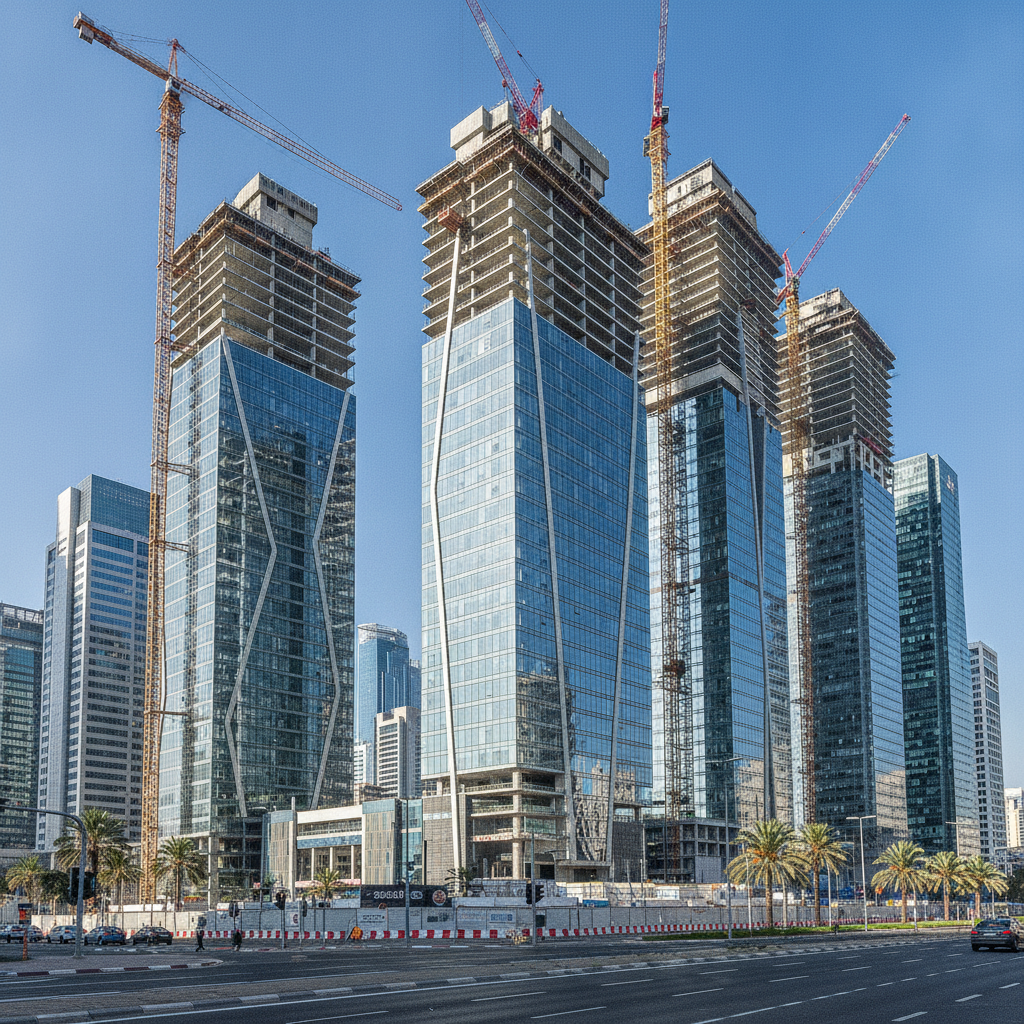
Haifa is experiencing a dynamic construction pipeline, focused on the waterfront and revitalized neighborhoods. Key projects include the rehabilitation of the historic port (ongoing, with phased delivery from 2026 to 2030), the residential towers in the HaZomet area, and Tama 38 / Pinui Binui operations in Hadar and the city center.
New property prices start at 14,000₪/m² in developing districts—a remarkably low entry point for a major city. IsraelStart lists around ten projects in Haifa, selected for their value for money and rental potential.
Haifa vs Netanya vs Beer Sheva: Investor Comparison
For pure yield investors, Beer Sheva remains superior (6.2%). For those seeking a combination of yield and capital appreciation, Haifa offers better upside potential thanks to its ongoing urban transformation. For lifestyle investors who want to enjoy their property, Netanya attracts with its seafront and French-speaking community. For a complete comparison covering all variables, visit our dedicated page or start your personalized assessment on IsraelStart.
Infrastructure and Transport
Haifa benefits from a rapidly modernizing transport infrastructure. The Carmelit (Israel's only underground metro, 6 stations) connects the port to the top of Mount Carmel in 8 minutes. The Egged bus network serves the entire metropolitan area. Israel Railways connects Haifa to Tel Aviv in 50 minutes (Hof HaCarmel station).
The ongoing MetroNit light rail project will transform urban mobility, with 5 lines planned by 2030. Neighborhoods near future stations are identified as high-potential appreciation zones—a criterion our team considers when selecting developments.
Rental Yield 5.5%: Detailed Analysis
Haifa's rental yield is the second highest in Israel after Beer Sheva. This yield is explained by a combination of affordable purchase prices and strong rental demand driven by three main factors: the Technion and its 14,000 students, the tech sector (Matam Park, Intel, Elbit), and the military bases in the northern region.
For an investor from abroad, Haifa offers an outstanding entry point: a 3-room, 75m² apartment in the city center is negotiated between 900,000₪ and 1,200,000₪, meaning an entry ticket below €300,000. The monthly rent of 4,000₪ to 5,000₪ generates a gross yield of 5% to 5.5%, significantly higher than in Tel Aviv or Jerusalem.
IsraelStart's support includes connecting you with French-speaking property managers in Haifa, for turnkey monitoring of your investment. Our team identifies the best-positioned new developments in terms of price/yield ratio, with detailed analysis by neighborhood.
Need personalized support?
An IsraelStart expert will call you within 24h with a personalized analysis of your project.