New-build property in Israel: 85,000 homes, stock that serves the buyer
Facts reviewed on November 22, 2026: Israel had about 85,680 unsold new homes at the end of August 2026, or 26.7 months of sales — record stock giving buyers choice, time and financing perks to negotiate.
Israel had about 85,680 unsold new homes at the end of August 2026, equal to roughly 26.7 months of sales at the current pace, according to Central Bureau of Statistics (CBS) data. This record inventory, concentrated in a handful of large cities, tangibly shifts the balance of power: buyers today enjoy a wide choice, real time to think, and financing perks that have rarely been worth so much. For anyone preparing to buy new-build property in Israel, the moment deserves a careful, city-by-city reading rather than a blanket verdict on a market too quickly described as saturated.
New-build property in Israel: 85,000 homes waiting for a buyer
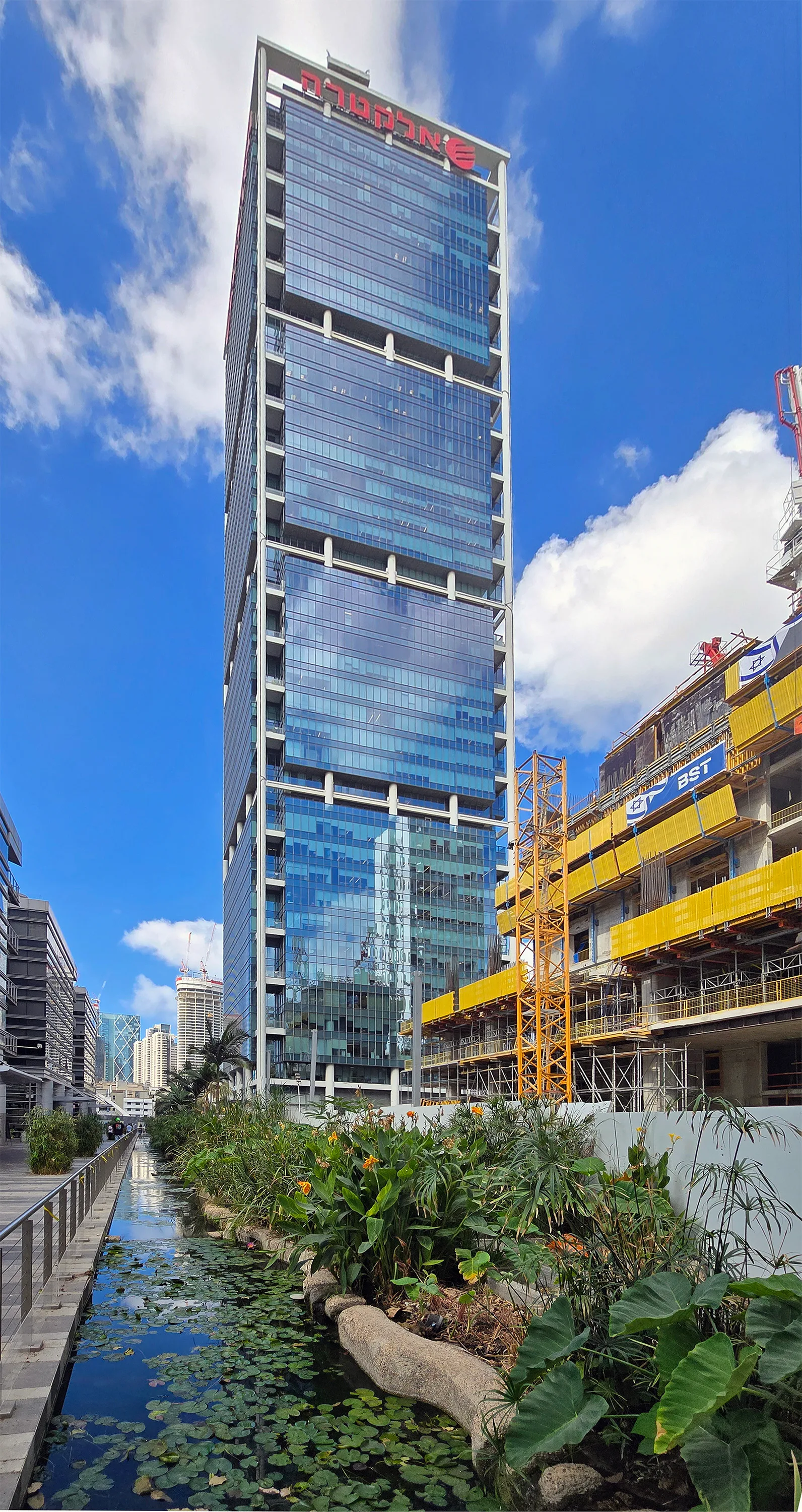
The figure rose all summer: about 85,000 new homes remained for sale at the end of July 2026, then 85,680 at the end of August 2026. At the same time, 217,200 homes were under active construction at the end of June 2026, a level that explains the size of the stock visible in sales offices. The Tel Aviv district alone accounts for about 26,330 unsold units, nearly 31% of the national total, and the Central district adds about 21,190: together they represent more than half of the new homes available in the country.
| City | New homes remaining for sale |
|---|---|
| Jerusalem | about 10,130 |
| Tel Aviv-Jaffa | about 9,960 |
| Bat Yam | 4,891 |
| Haifa | 4,455 |
| Netanya | 3,568 |
| Ashdod | 3,257 |
| Ramat Gan | 3,022 |
Seven cities concentrate most of the supply, which makes negotiation very different depending on the address targeted. In Jerusalem as in Tel Aviv, buyers can compare several neighbouring developments, layout by layout. In Bat Yam, where the stock reaches 4,891 units, competition between developers is equally direct. This precise geography is worth more than general talk: where the stock is thick, the room to negotiate is most real, especially on larger apartments and higher floors.
Perks rather than a lower asking price: where the real negotiation happens
Developers prefer to negotiate through perks rather than through the asking price. In August 2026, 30% of new-build sales outside assisted programmes included a financing benefit, up from 20% in May: the rise is fast and it reveals the mindset in sales offices. Eased financing terms, spread-out payment schedules, and included fittings and finishes: together they can represent about 10% of the property's value, without the headline price moving at all. For buyers, the task is therefore to compare complete offers, not just prices per square metre.
In practice, a successful negotiation rests on several levers that can be combined: a staged payment plan that reduces the initial outlay, coverage of certain fees, included fittings that would have cost a great deal after handover, or extra time without penalty. These perks have a measurable value and must enter the calculation of the total cost, just like the mortgage rate. Before signing, compare the developments available in the catalogue of new homes in Israel and work out your real capacity with the budget simulator by city: arriving with a budget already settled remains the best position from which to negotiate calmly, without giving in to a time-limited offer.
Stock under construction, not stock delivered: today's surplus, tomorrow's shortage?
The most misunderstood point in the debate concerns the nature of this stock. Most of the 85,680 homes are still under construction, with average timelines of about 32 months: only about 16,000 to 25,000 units are thought to be immediately deliverable. In other words, today's visible surplus largely corresponds to apartments that will reach the market only gradually, as projects are completed. If starts slow down while these developments sell through, the available supply could tighten faster than expected.
The market, moreover, keeps selling despite the stock. Between June and August 2026, about 10,110 new homes were sold, up 24.9% year on year. Average selling times remain contained, between 80 and 90 days, which does not look like a frozen market. The analysis accompanying these figures expects prices over twelve months to move between -3% and +2%: a narrow range, far from a collapse, which argues for targeted, development-by-development negotiation rather than waiting for a general fall. Our tracking of apartment prices in Israel, from deals in Herzliya and Holon to Kiryat Shmona, usefully completes this reading of the stock with prices actually signed.
Buying now: how to turn the stock into an advantage
The right strategy rests on three reflexes. First, target the cities where the stock is thick, because competition between developments there is real and documented. Next, negotiate a complete basket of perks (financing, fittings, payment schedule) rather than a single discount, and have each perk valued before comparing two offers. Finally, keep the timeline in perspective: an apartment deliverable in 32 months and one available right away do not answer the same need, and their prices should not be compared without accounting for that delay.
For an owner-occupier as for an investor, the current window therefore has a rare quality: choice, time, and counterparts ready to talk. It will not last forever if sales continue at the summer 2026 pace while new starts slow down. Record stock is not a reason to wait: read properly, city by city and development by development, it is a negotiating tool, and it serves buyers best right now.
Sources
- Source 1
- Source 2
- Source 3