ToHa 2 in Tel Aviv: Salesforce and WeWork sign over NIS 300M in offices
Salesforce commits to five floors and around 15,300 sqm for five years, WeWork to 10,000 sqm for ten years: the ToHa 2 tower concentrates around NIS 320M in new leases, just as residential is slowing.
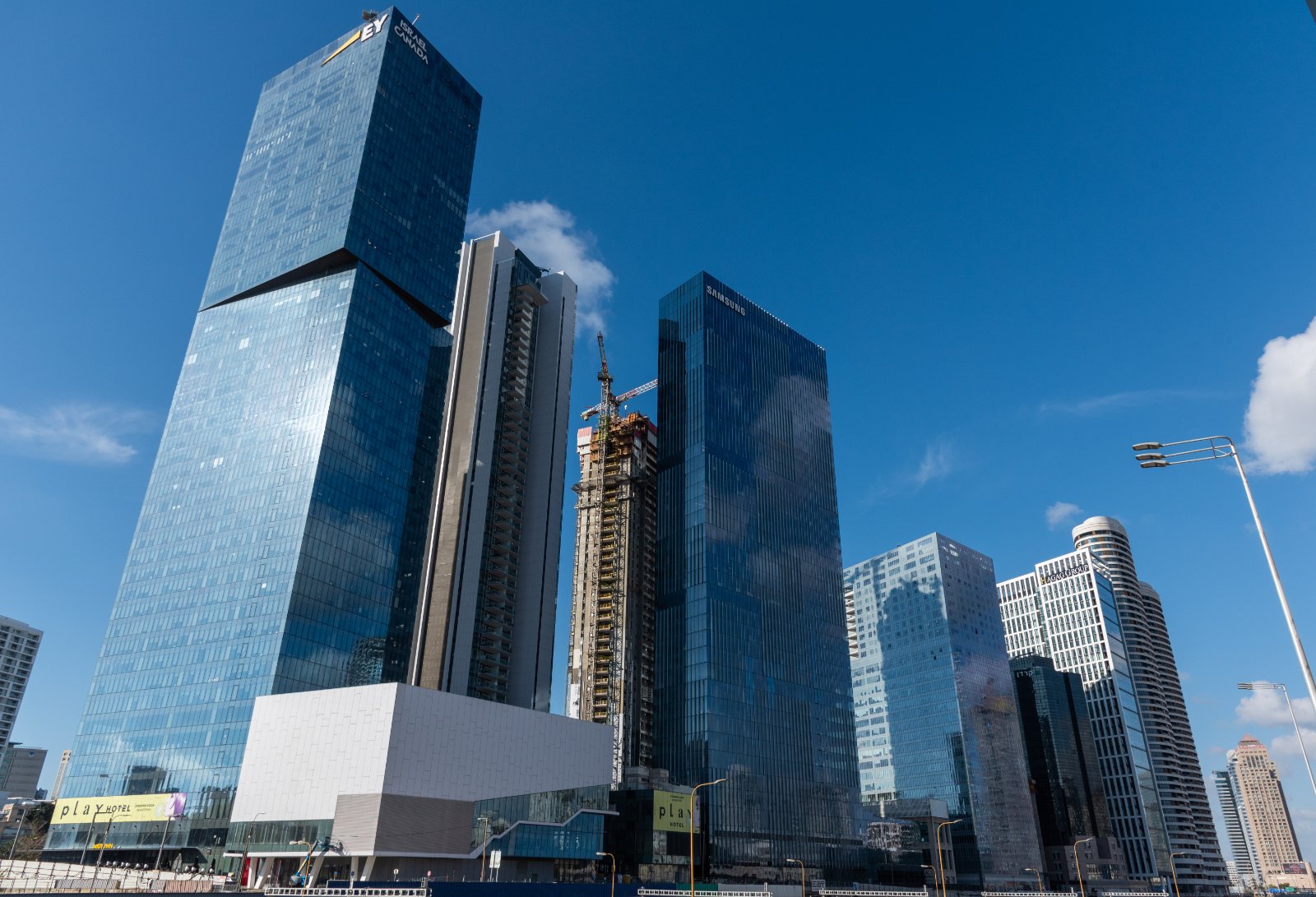
While Israel's residential market is idling, prime offices in Tel Aviv continue to sign very large leases. Two transactions reported this week show it: Salesforce and WeWork have each taken major commitments in the ToHa 2 tower, one of Tel Aviv's iconic new office buildings. Together, these signings represent around 25,300 sqm and some NIS 320M in rental commitments. For a buyer following the market from afar, this is a signal not to overlook: global giants' demand for well-located Tel Aviv offices has not died down.
Two signings, one building
| Tenant | Area | Term | Total amount |
|---|---|---|---|
| Salesforce | 5 floors, around 15,300 sqm | 5 years | around NIS 140M |
| WeWork | 10,000 sqm (floors 13 to 16) | 10 years | around NIS 180M |
The ToHa 2 tower is therefore welcoming, at the same time, a global software company and the coworking giant. Two different models — the classic lease on one side, flexible space on the other — but the same bet on location.
Salesforce: 15,300 sqm for five years
Salesforce signed for five floors, i.e. around 15,300 sqm, for a term of five years and a total amount of around NIS 140M, i.e. around NIS 28M per year. The move-in is scheduled for the first half of 2028.
Three lessons. First, the size: taking five floors at once is a growth commitment, not a mere adjustment of space. Next, the timeline: a move-in in 2028 means a decision taken today based on several years of visibility, despite the current economic and political context. Finally, the price level: at this annual amount, Salesforce is paying top price for a new, well-located building, which confirms that the top of the Tel Aviv office market retains its appeal.
WeWork: 10,000 sqm for ten years
WeWork signed a ten-year lease covering 10,000 sqm, floors 13 to 16, for around NIS 180M, i.e. around NIS 150 per sqm per month.
The term is the striking fact: ten years is double Salesforce's commitment. For a coworking player, whose model relies on reselling flexible spaces to companies of all sizes, a lease of this length over 10,000 sqm implies solid confidence in demand for flexible offices in Tel Aviv. Rent of around NIS 150 per sqm per month places the building in the city's premium segment.
What these leases say about offices in Tel Aviv
These two signings come as residential is going through a difficult phase: high stock of unsold new homes, sluggish transactions, developers under pressure. Prime offices tell a different story.
On one side, large tech companies continue to choose Tel Aviv for their regional locations, and they favor recent, well-served buildings meeting current standards. On the other, flexible space is becoming a lasting fixture, with long commitments that look increasingly like conventional leases.
For the investor, the lesson is twofold. The value of a central location in Tel Aviv does not depend only on residential: office demand from international companies supports the whole downtown real estate ecosystem, shops and services included. And the divergence between a residential market in correction and prime offices signing at these levels is a reminder that 'Israeli real estate' is not a single market, but a mosaic of segments that do not move together.
The timeline of these decisions is also worth noting. A lease signed at the end of 2026 for a move-in in the first half of 2028, like Salesforce's, is negotiated on expectations: future headcount, hybrid work organization, company image. That two players of this size agree to commit now, at premium segment prices, indicates they are not betting on a collapse in Tel Aviv office rents. For owners of older office buildings, the signal is less gentle, however: demand is concentrating on recent buildings, and it is this concentration that is widening the gap between prime and the rest of the stock.
And for the residential buyer?
If you are buying to live in or to rent out, these leases matter too. The districts of Tel Aviv that concentrate tech employment and corporate headquarters sustain structural rental demand: Israeli executives and expatriates seek to live near these hubs. This is one of the reasons why the seafront and the center continue to attract foreign buyers, as shown this week by the purchase of two floors of the Daniel Tower for NIS 119M.
Conversely, this concentration comes at a price: the areas driven by corporate demand are also those where prices hold up best. The buyer looking for a discount will look elsewhere; the one aiming for long-term rental stability will find a strong argument here. Our review of the week's market puts these signings into the overall picture.
Getting support
A purchase in Tel Aviv is prepared with figures in hand: overall budget, payment schedule with the payment schedule simulator, and financing compared before any offer. In districts where international employment sustains demand, you also need to think like your future tenant: who will rent this property, at what rent level, and with what vacancy between occupants? The ToHa 2 leases do not by themselves set apartment prices, but they document the depth of demand supporting central districts. This is exactly the type of analysis — location, demand, entry price — that must precede an offer, rather than follow it.
Sources
- Globes — Salesforce signs at ToHa 2: around 15,300 sqm for 5 years and around NIS 140M
- Globes — WeWork signs 10,000 sqm for 10 years at ToHa 2, around NIS 180M
Sources
- Source 1
- Source 2