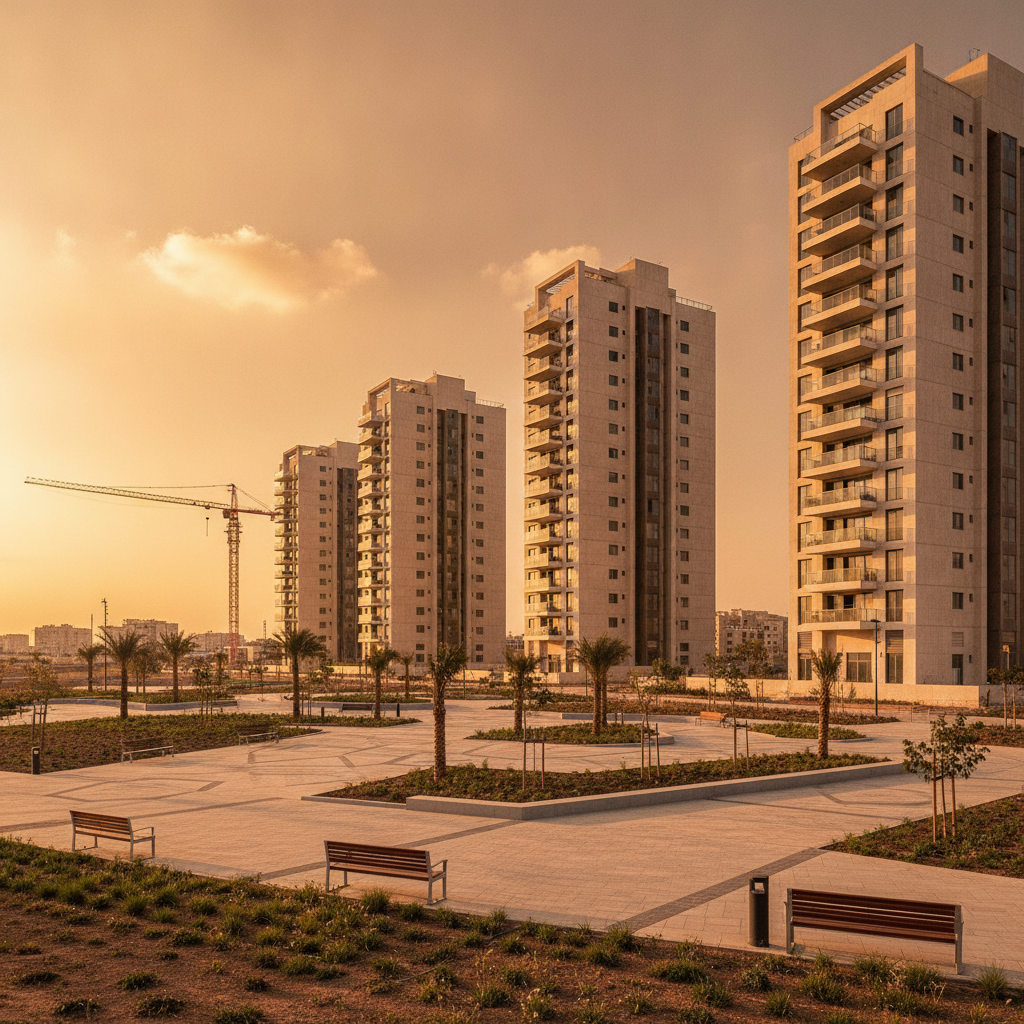
Southern Israel: Unsold New Housing Stock Opens Negotiation
With nearly 11,500 unsold new homes once cancellations are counted, Israel's Southern District is tipping into a buyer's market. Figures, negotiating levers and legal precautions for buying in Beersheba, Ashdod or Ashkelon.
The Southern District of Israel: A Unique Opportunity for Buyers
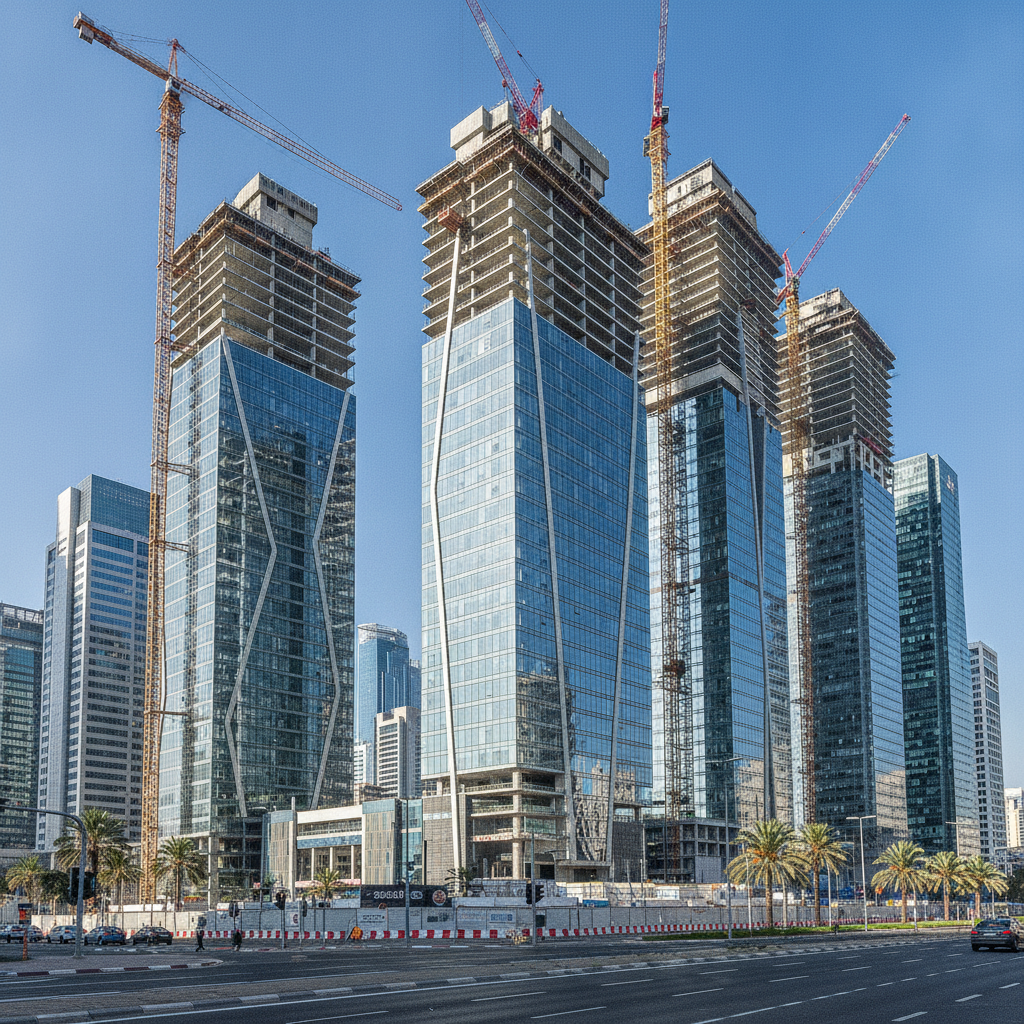
The Southern District of Israel is experiencing a rare situation: more new homes are being built than there are buyers to absorb them. An analysis by the Ministry of Finance, reported by Globes, shows that the actual stock of unsold properties is higher than official figures suggest. For a buyer investing from abroad or an Israeli already living in Beer-Sheva, Ashdod, or Ashkelon, this context opens a window for negotiation—provided you know how to use it strategically.
A Growing Surplus of New Homes in the South
According to the Deputy Chief Economist at the Ministry of Finance, quoted by Globes on September 27, 2026, the Southern District has shifted in just a few years from a shortage to a surplus. At the beginning of 2022, the region was lacking about 1,200 homes. By the second quarter of 2026, there is instead a surplus of around 11,000 homes under construction but unsold. And construction starts, far from slowing down, continue to accelerate.
Nationally, the Bank of Israel described in its press release of September 1 a high but stable inventory of unsold homes, with a moderate recovery in transactions during the spring, especially in the new-build sector.
Cancellations: An Invisible Inventory
The most interesting point in the analysis concerns cancellations. According to data from the Tax Authority used by the Ministry of Finance, 669 purchases of new homes were canceled in the Southern District between 2022 and 2025. However, these homes do not re-enter the official inventory of unsold units published each quarter.
| Indicator (Southern District, end of June 2026) | Value |
|---|---|
| Official inventory of unsold new homes | 10,788 homes |
| Canceled purchases 2022-2025 | 669 homes |
| Adjusted inventory including cancellations | 11,457 homes (+6%) |
| Situation at start of 2022 | Deficit of about 1,200 homes |
| Situation Q2 2026 | Surplus of about 11,000 homes |
In other words, the Southern market has about 6% more available homes than usual statistics show. Each unsold unit ties up capital for the developer, which strengthens the buyer's position.
Why This Is a Negotiation Lever for the Buyer
When supply exceeds demand, the discussion goes beyond just the listed price. Several levers become realistic in the South:
- Direct discount on the catalog price, especially for remaining units at the end of a project or homes delivered several months ago.
- Payment schedule: more favorable spreading, lower upfront portion before handover of keys. You can try different scenarios with the payment schedule simulator.
- Amenities: parking spaces, storage rooms, upgraded finishes included at no extra cost.
- Indexation: negotiate a cap on price indexation to the construction index during the building period.
However, be careful: a property put back on the market after a cancellation deserves careful review. You need to understand why the previous sale was canceled and ensure the property is free of any registration. Our guide on Tabo and property registration explains what to check.
What the Target Price Program Case Reveals
Globes also reports the case of a beneficiary of the public Target Price (Mehir LaMishtaken) program who canceled two consecutive purchases. This raises questions about eligibility control. For the buyer, the lesson is clear: a subsidized home is subject to specific rules, and any resale must be reviewed by a lawyer before signing.
Beer-Sheva, Ashdod, Ashkelon: Distinct Markets
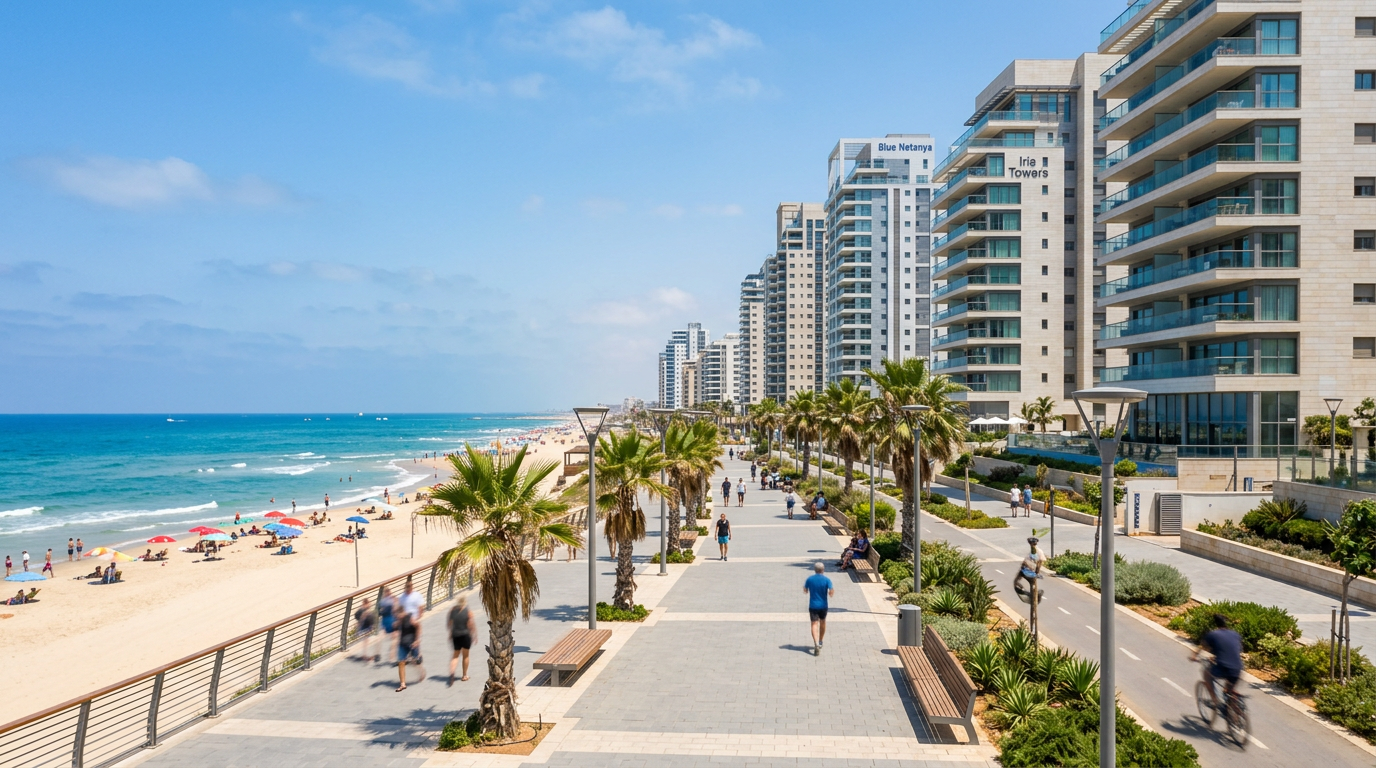
The Southern District is not homogeneous. Beer-Sheva combines a university, hospital, and tech hub, with strong local demand in certain neighborhoods. Ashdod benefits from its port and coastline, while Ashkelon attracts families seeking larger spaces within a controlled budget. Negotiation should be based on the actual sales status of the targeted building.
Buying in the South from Abroad or from Israel: The Method
Buyers from abroad often misjudge the pace of sales from a distance; Israelis on site may rush into a purchase based on a displayed discount without comparing. In both cases, the same method applies:
1. Compare the offered price with recent transactions in the area, not just the list price.
2. Calculate the total cost: 18% VAT included in the price of new properties, closing costs around 10 to 13%, and purchase tax (Mas Rechisha) to be checked according to your profile. The taxes and fees calculator provides an initial estimate.
3. Secure financing: According to the Nadlan Center, the average loan for a home purchase has increased from 1.12 to 1.23 M₪, indicating tighter budgets. A broker can compare bank offers.
4. Include every concession in the contract: discount, payment schedule, features, and bank guarantees.
For more on negotiation techniques, read our article on how to negotiate and lower advertised prices.
IsraelStart Support
IsraelStart lists 300+ new development projects across Israel, including many programs in the South. We connect you with three complementary experts: lawyer · broker · architect. The lawyer reviews the contract, guarantees, and lot history; the broker optimizes financing; the architect checks the plans, areas, and construction quality. Request a personalized assessment, with no obligation, to see if a project in the South matches your budget and strategy.
Sources
- Globes — Canceled purchases and actual unsold inventory in the Southern district (27/09/2026)
- Bank of Israel — Monetary policy press release (01/09/2026)
- Nadlan Center — Mortgage credit review (30/09/2026)
Need personalized support?
An IsraelStart expert will call you within 24h with a personalized analysis of your project.